How to measure the success of wellness programs is a crucial aspect of ensuring their effectiveness in promoting overall health and well-being. This guide will delve into various methods and strategies to evaluate the impact of wellness initiatives.
Wellness Programs
Wellness programs play a crucial role in promoting overall health by focusing on preventive measures, healthy lifestyle habits, and mental well-being. These programs aim to enhance physical fitness, reduce stress, and improve the quality of life for individuals.
Types of Wellness Programs
- Physical Fitness Programs: These programs include gym memberships, group exercise classes, and outdoor activities to encourage regular physical activity.
- Nutrition and Diet Programs: Providing education on healthy eating habits, meal planning, and nutrition consultations to promote a balanced diet.
- Mental Health Support: Offering counseling services, mindfulness workshops, and stress management techniques to improve mental well-being.
Benefits of Wellness Programs in Workplaces
- Increased Productivity: Employees who participate in wellness programs are more focused, energetic, and motivated to perform better at work.
- Reduced Absenteeism: By promoting healthy habits and preventive care, wellness programs can help decrease the number of sick days taken by employees.
- Improved Employee Morale: Creating a supportive and healthy work environment through wellness programs can boost employee satisfaction and retention.
Success Stories of Wellness Program Participants
One success story is of Sarah, who joined a workplace wellness program that included weekly yoga sessions and nutrition workshops. After a few months, Sarah reported feeling more energetic, less stressed, and even lost weight. She credited the program for improving her overall well-being and work-life balance.
Herbal Remedies
Herbal remedies have been used for centuries to promote health and well-being, and they can be a valuable addition to wellness programs. These natural remedies offer a holistic approach to addressing various health concerns and can complement traditional medical treatments.
Popular Herbal Remedies
- Moringa: Known for its high nutrient content, moringa is a popular herbal remedy used to boost energy levels, support digestion, and strengthen the immune system.
- Turmeric: With powerful anti-inflammatory properties, turmeric is commonly used to reduce inflammation, improve joint health, and support overall well-being.
- Lavender: This fragrant herb is often used to promote relaxation, reduce stress and anxiety, and improve sleep quality.
Benefits and Risks of Herbal Remedies
Herbal remedies offer a range of potential benefits, including natural healing, improved overall health, and fewer side effects compared to synthetic medications. However, it is important to be aware of the potential risks associated with herbal remedies, such as allergic reactions, interactions with medications, and variability in potency.
Incorporating Herbal Remedies into Daily Wellness Routines
When incorporating herbal remedies into your daily wellness routine, it is essential to consult with a healthcare professional or herbalist to ensure safety and effectiveness. Start by researching reputable sources, following recommended dosages, and monitoring your body’s response to the remedies.
You can incorporate herbal remedies into your routine by adding them to teas, smoothies, or meals, as well as using them in aromatherapy or skincare products.
Skin Health: How To Measure The Success Of Wellness Programs
Healthy skin is not just about appearance; it is also a reflection of overall well-being. The skin is the body’s largest organ and plays a crucial role in protecting us from external factors. Therefore, taking care of our skin is essential for maintaining good health.
Strategies for Maintaining Healthy Skin
Ensuring healthy skin involves making positive lifestyle choices that support its function and appearance. Here are some strategies to maintain healthy skin:
- Avoiding excessive sun exposure by wearing sunscreen and protective clothing.
- Staying hydrated by drinking an adequate amount of water daily.
- Eating a balanced diet rich in fruits, vegetables, and lean proteins.
- Getting enough sleep to allow the skin time to repair and regenerate.
Impact of Nutrition and Hydration on Skin Health
Nutrition and hydration play a significant role in skin health. A diet high in antioxidants, vitamins, and minerals can help maintain skin elasticity and promote a youthful appearance. Adequate hydration is also crucial for keeping the skin hydrated and preventing dryness.
Skincare Routines and Practices for Improving Skin Health, How to measure the success of wellness programs
Establishing a consistent skincare routine can help improve skin health and address specific concerns. Some key skincare practices include:
- Cleansing the skin daily to remove dirt, oil, and impurities.
- Exfoliating regularly to slough off dead skin cells and promote cell turnover.
- Moisturizing to hydrate the skin and create a protective barrier.
- Applying sunscreen daily to protect the skin from harmful UV rays.
Bone Density
Maintaining healthy bone density is crucial for overall health as it helps prevent fractures, osteoporosis, and other bone-related issues. Strong bones provide structural support for the body, protect organs, and facilitate movement.
Factors Affecting Bone Density
- Age: Bone density tends to decrease as we age, making older adults more susceptible to bone fractures.
- Gender: Women are at a higher risk of developing osteoporosis due to lower peak bone mass and hormonal changes during menopause.
- Diet: Calcium and Vitamin D are essential for bone health, while excessive caffeine, alcohol, and smoking can negatively impact bone density.
- Physical Activity: Weight-bearing exercises and resistance training help build and maintain strong bones.
Exercise and Diet for Strong Bones
- Engage in weight-bearing exercises like walking, running, and weightlifting to stimulate bone growth.
- Consume a balanced diet rich in calcium, Vitamin D, magnesium, and other nutrients essential for bone health.
- Avoid excessive consumption of soda, caffeine, alcohol, and processed foods that can weaken bones.
Monitoring and Measuring Bone Density
- Bone Density Test (DEXA scan): A non-invasive test that measures bone mineral density and assesses the risk of fractures.
- Regular physical exams and blood tests to monitor calcium, Vitamin D levels, and other markers of bone health.
- Discuss with your healthcare provider about preventive measures and lifestyle changes to improve and maintain healthy bone density.
Muscle Mass
Muscle mass plays a crucial role in overall health and wellness. Not only does it contribute to physical strength and endurance, but it also plays a significant role in metabolism, weight management, and even disease prevention.
Increasing Muscle Mass
Strength training exercises, such as weightlifting or bodyweight exercises, are essential for increasing muscle mass. These exercises create micro-tears in the muscle fibers, which then repair and grow stronger, leading to increased muscle mass. Combine strength training with a diet rich in protein to support muscle growth and repair.
- Focus on compound exercises that target multiple muscle groups simultaneously, such as squats, deadlifts, and bench presses.
- Ensure you are consuming an adequate amount of protein, the building block of muscle tissue.
- Allow for proper rest and recovery between workouts to allow muscles to repair and grow.
Benefits of Strength Training
Strength training not only helps increase muscle mass but also offers a range of other health benefits. It can improve bone density, boost metabolism, enhance overall physical performance, and reduce the risk of injury. Additionally, maintaining muscle mass is crucial for healthy aging and preventing age-related muscle loss.
- Strength training can help improve insulin sensitivity and glucose metabolism, reducing the risk of type 2 diabetes.
- It can also aid in weight management, as muscle tissue burns more calories at rest compared to fat tissue.
- Regular strength training can improve posture, balance, and coordination, reducing the risk of falls and injuries, especially in older adults.
Remember, consistency is key when it comes to increasing muscle mass and reaping the benefits of strength training. Make sure to consult with a fitness professional or healthcare provider before starting any new exercise program.
Dental Care
Good dental care is crucial for overall health as it not only helps maintain a healthy mouth but also contributes to the well-being of the entire body. Neglecting oral hygiene can lead to various dental issues that can have an impact on systemic health.
Importance of Oral Hygiene
- Brush your teeth at least twice a day with fluoride toothpaste to remove plaque and prevent cavities.
- Floss daily to clean between teeth and prevent gum disease.
- Avoid sugary and acidic foods that can erode tooth enamel and cause decay.
- Visit your dentist regularly for check-ups and professional cleanings to detect and prevent oral health problems.
Link Between Dental and Systemic Health
Research has shown a strong connection between oral health and systemic health. Poor oral hygiene can lead to various health issues such as cardiovascular disease, diabetes, and respiratory infections. Bacteria from the mouth can enter the bloodstream and affect other parts of the body.
Preventive Measures
- Use a mouthwash to reduce bacteria in the mouth and freshen breath.
- Avoid smoking and limit alcohol consumption as they can contribute to oral health problems.
- Eat a balanced diet rich in fruits, vegetables, and calcium for strong teeth and gums.
- Wear a mouthguard during sports activities to prevent dental injuries.
Eye Health
Maintaining good eye health is crucial for overall wellness. Our eyes play a vital role in our daily lives, allowing us to see and experience the world around us. Ensuring the health of our eyes can prevent vision problems and enhance our quality of life.
Significance of Eye Health
- Our eyes are essential for daily tasks such as reading, driving, and working.
- Good eye health can prevent issues like eye strain, dry eyes, and vision loss.
- Regular eye exams can help detect early signs of eye diseases like glaucoma and cataracts.
Tips for Protecting Eye Health
- Eat a healthy diet rich in fruits and vegetables to provide essential nutrients for eye health.
- Avoid prolonged exposure to screens and take breaks to reduce eye strain.
- Protect your eyes from harmful UV rays by wearing sunglasses when outdoors.
Lifestyle Choices and Eye Health
- Smoking can increase the risk of eye diseases like macular degeneration and cataracts.
- Maintaining a healthy weight and staying active can promote good blood circulation to the eyes.
- Getting enough sleep is crucial for eye health as it allows the eyes to rest and recover.
Regular Eye Exams and Vision Screenings
- It is recommended to have a comprehensive eye exam every 1-2 years, especially for individuals over 40.
- Vision screenings can help detect refractive errors like nearsightedness and farsightedness.
- Early detection of eye problems can lead to timely treatment and better outcomes.
Mental Clarity
Mental clarity is the state of having a clear and focused mind, free from distractions and mental fog. It is essential for overall well-being as it allows individuals to make better decisions, improve productivity, and enhance cognitive function.
Techniques for Improving Mental Clarity and Focus
Improving mental clarity and focus can be achieved through various techniques such as:
- Practicing mindfulness: Engaging in mindfulness practices such as meditation, deep breathing exercises, and yoga can help calm the mind and improve focus.
- Setting goals and priorities: Establishing clear goals and priorities can help eliminate mental clutter and enhance mental clarity.
- Getting enough sleep: Adequate rest is crucial for mental clarity, as lack of sleep can lead to cognitive impairment.
- Physical exercise: Regular exercise not only benefits physical health but also boosts mental clarity by increasing blood flow to the brain.
Mindfulness Practices and Cognitive Exercises for Enhancing Mental Clarity
Mindfulness practices and cognitive exercises are effective in enhancing mental clarity. Some techniques include:
- Deep breathing exercises: Taking deep, slow breaths can help calm the mind and improve focus.
- Visualization techniques: Visualizing a peaceful place or positive outcomes can reduce stress and enhance mental clarity.
- Brain games and puzzles: Engaging in activities that challenge the brain, such as crossword puzzles or Sudoku, can improve cognitive function and mental clarity.
Tips for Reducing Mental Fog and Enhancing Cognitive Function
Reducing mental fog and enhancing cognitive function can be achieved by:
- Staying hydrated: Dehydration can lead to cognitive decline, so it’s important to drink plenty of water throughout the day.
- Eating a balanced diet: Consuming nutrient-rich foods like fruits, vegetables, and whole grains can support brain health and improve mental clarity.
- Avoiding multitasking: Focusing on one task at a time can help reduce mental fog and improve concentration.
- Taking breaks: Giving the brain a rest by taking short breaks throughout the day can help prevent mental fatigue and enhance cognitive function.
Joint Flexibility
Maintaining joint flexibility is crucial for overall mobility as it allows for a full range of motion in daily activities. Without adequate flexibility, joints can become stiff, limiting movement and causing discomfort. This can greatly impact the quality of life and independence, especially as we age.
Exercises and Stretches to Improve Joint Flexibility
- Stretching exercises such as yoga or pilates can help improve flexibility in the joints.
- Low-impact activities like swimming or cycling can also promote joint flexibility without putting too much strain on the joints.
- Focusing on specific joint stretches for areas such as the shoulders, hips, knees, and ankles can target flexibility in those areas.
Impact of Joint Health on Daily Activities
Poor joint health can hinder simple tasks like bending down, reaching overhead, or even walking comfortably. It can affect the ability to perform activities of daily living independently and may lead to a sedentary lifestyle.
Tips for Preventing Joint Stiffness and Discomfort
- Maintain a healthy weight to reduce stress on the joints.
- Stay active with regular exercise to keep joints lubricated and flexible.
- Eat a balanced diet rich in nutrients that support joint health, such as omega-3 fatty acids and antioxidants.
- Avoid sitting or standing in the same position for long periods to prevent stiffness.
Digestive Health
Having a healthy digestive system is crucial for overall wellness as it plays a key role in nutrient absorption, immune function, and even mental health. A well-functioning digestive system can prevent various health issues and promote a strong immune system.
Maintaining a Healthy Digestive System
There are several tips to maintain a healthy digestive system through diet and lifestyle choices:
- Avoid processed foods high in sugar and unhealthy fats, as they can disrupt the balance of good bacteria in the gut.
- Eat plenty of high-fiber foods like fruits, vegetables, and whole grains to promote regular bowel movements and a healthy gut microbiome.
- Stay hydrated by drinking an adequate amount of water throughout the day to aid digestion and prevent constipation.
- Manage stress levels through relaxation techniques like deep breathing, yoga, or meditation, as stress can negatively impact digestive health.
Common Digestive Issues and Solutions
Common digestive issues include bloating, constipation, diarrhea, and acid reflux. These issues can often be addressed through lifestyle changes such as:
- Eating smaller, more frequent meals to prevent bloating and improve digestion.
- Incorporating probiotic-rich foods like yogurt, kefir, and sauerkraut to promote a healthy balance of gut bacteria.
- Avoiding trigger foods that exacerbate digestive issues, such as spicy foods, caffeine, and alcohol.
- Seeking medical advice for persistent digestive problems to rule out underlying conditions like irritable bowel syndrome or inflammatory bowel disease.
Benefits of Probiotics and Gut-Friendly Foods
Probiotics are beneficial bacteria that can help maintain a healthy gut microbiome and improve digestive health. Including probiotic-rich foods like yogurt, kimchi, and miso in your diet can help support digestion and boost immune function. Additionally, consuming prebiotic foods like bananas, onions, and garlic can feed the good bacteria in your gut and promote overall digestive wellness.
Detox Process
Detoxification is a crucial process in maintaining overall wellness. It involves removing toxins and waste products from the body to promote better health and functioning. By supporting the body’s natural detox processes, individuals can experience benefits such as improved energy levels, clearer skin, and better digestion.
However, it is essential to be aware of the different methods of detoxification and understand both the benefits and potential risks associated with detox programs.
Methods of Detoxification
- Diets: Following a detox diet focused on whole, natural foods can help support the body’s detox processes. This may involve consuming plenty of fresh fruits and vegetables, drinking lots of water, and avoiding processed foods and sugars.
- Cleanses: Certain cleanses, such as juice cleanses or fasting, can also aid in detoxifying the body by giving the digestive system a break and allowing it to eliminate toxins more efficiently.
Supporting Natural Detox Processes
- Stay hydrated: Drinking an adequate amount of water helps flush out toxins and supports kidney function.
- Exercise regularly: Physical activity can help sweat out toxins and improve circulation, aiding in the detox process.
- Get enough sleep: Quality sleep is essential for the body to repair and detoxify itself. Aim for 7-9 hours of restful sleep each night.
Benefits and Risks of Detox Programs
- Benefits: Detox programs can lead to increased energy, improved digestion, clearer skin, and weight loss. They may also help break unhealthy eating patterns and reset the body.
- Risks: Some detox programs may be too restrictive or lacking in essential nutrients, leading to potential nutrient deficiencies. It’s essential to consult a healthcare provider before starting any detox program, especially if you have underlying health conditions.
Blood Pressure
Monitoring blood pressure is crucial for assessing overall health as it provides insights into the functioning of the cardiovascular system. Fluctuations in blood pressure can indicate underlying health issues or potential risks, making regular monitoring essential for early detection and prevention.
Factors Influencing Blood Pressure Levels
- Genetics: Family history of high blood pressure can increase the risk.
- Diet: High sodium intake, low potassium levels, and excessive alcohol consumption can elevate blood pressure.
- Physical Activity: Lack of exercise can contribute to hypertension.
- Stress: Chronic stress can lead to elevated blood pressure levels.
Maintaining Healthy Blood Pressure through Lifestyle Changes
- Healthy Diet: Incorporate fruits, vegetables, whole grains, and lean proteins while reducing salt intake.
- Regular Exercise: Engage in aerobic activities like walking, swimming, or cycling for at least 30 minutes most days of the week.
- Weight Management: Maintain a healthy weight to reduce the strain on the heart.
- Stress Management: Practice relaxation techniques such as meditation or yoga to lower stress levels.
How Blood Pressure is Measured and Reading Interpretation
Blood pressure is measured using a device called a sphygmomanometer, which provides two numbers: systolic pressure (top number) and diastolic pressure (bottom number). A normal blood pressure reading is typically around 120/80 mmHg. Readings above this range may indicate hypertension, while readings below may suggest hypotension.
Heart Rate
The heart rate is a crucial indicator of cardiovascular health, reflecting how efficiently the heart is pumping blood throughout the body. Monitoring your heart rate can provide valuable insights into your overall fitness level and help assess the intensity of your workouts.
Measuring Heart Rate
- To measure your heart rate, you can use a wearable fitness tracker, a heart rate monitor, or simply check your pulse manually by placing two fingers on your wrist or neck.
- Resting heart rate is the number of heartbeats per minute when you are at rest, while maximum heart rate is the highest number of heartbeats per minute during intense exercise.
- Understanding different heart rate zones, such as moderate, vigorous, and maximum, can help you tailor your workouts for optimal results.
Exercise and Heart Rate
- Regular exercise can lower your resting heart rate over time, indicating improved cardiovascular fitness.
- Aerobic activities like running, swimming, or cycling can increase your heart rate, strengthening the heart muscle and improving its efficiency.
- Interval training, combining high-intensity bursts with periods of rest, can help improve heart rate variability and overall cardiovascular health.
Maintaining a Healthy Heart Rate
- Engage in at least 150 minutes of moderate-intensity aerobic exercise per week to maintain a healthy heart rate.
- Include strength training exercises to build muscle mass, which can also benefit heart health.
- Stay hydrated, eat a balanced diet rich in fruits and vegetables, and avoid smoking to support a healthy heart rate.
Health Screenings
Regular health screenings are crucial for early detection of diseases, allowing for timely intervention and treatment. By undergoing these screenings, individuals can identify potential health issues before they progress to more serious stages.
Common Health Screenings
- Blood Pressure Measurement: Recommended for individuals of all ages to monitor cardiovascular health.
- Cholesterol Test: Important for adults to assess heart disease risk.
- Colonoscopy: Typically recommended for adults over 50 to screen for colon cancer.
- Mammogram: Crucial for women over 40 to detect breast cancer early.
Preparing for Health Screenings
- Follow any fasting instructions provided by your healthcare provider for accurate blood test results.
- Bring a list of current medications and be prepared to discuss your medical history.
- Wear comfortable clothing and avoid heavy meals before screenings.
Significance of Preventive Healthcare
Regular health screenings play a vital role in preventive healthcare by enabling early detection of diseases when they are most treatable. Emphasizing the importance of these screenings can lead to better health outcomes and improved quality of life.
Vaccination Programs
Vaccination programs play a crucial role in preventing infectious diseases by boosting immunity against specific pathogens. Vaccines are designed to stimulate the immune system to produce antibodies without causing the disease itself.
Importance of Vaccination
Vaccination is not only important for individual health but also for the overall well-being of the community. By achieving herd immunity through widespread vaccination, the spread of infectious diseases can be significantly reduced, protecting vulnerable populations who cannot be vaccinated due to medical reasons.
- Vaccines are safe and effective in preventing diseases like measles, polio, and influenza.
- They help in reducing the burden on healthcare systems by preventing outbreaks and complications from vaccine-preventable diseases.
- Vaccination also helps in controlling the emergence of drug-resistant strains of pathogens.
Common Misconceptions about Vaccines
There are several misconceptions surrounding vaccines, leading to hesitancy or refusal to vaccinate. It is crucial to address these misconceptions to ensure the success of vaccination programs.
- One common misconception is that vaccines cause autism, which has been debunked by numerous scientific studies.
- Some people believe that natural immunity is better than vaccine-induced immunity, ignoring the risks of serious complications from natural infection.
- Another misconception is that vaccines contain harmful ingredients, whereas they undergo rigorous testing for safety and efficacy.
Recommended Vaccination Schedule
Vaccination schedules are designed to provide optimal protection against diseases at different stages of life. It is essential to follow the recommended schedule to ensure maximum effectiveness of vaccines.
For example, children are recommended to receive vaccines for diseases like measles, mumps, rubella, and chickenpox during early childhood to prevent outbreaks in schools and communities.
Adults should also stay up to date with vaccines such as flu shots and tetanus boosters to protect themselves and those around them.
Healthy Habits
Maintaining healthy habits plays a crucial role in enhancing overall well-being. These habits not only impact physical health but also have a significant influence on mental wellness. By incorporating healthy habits into daily routines, individuals can experience lasting benefits that contribute to long-term wellness.
Examples of Healthy Habits
- Eating a balanced diet rich in fruits, vegetables, lean proteins, and whole grains.
- Engaging in regular physical activity such as walking, jogging, or yoga.
- Getting an adequate amount of quality sleep each night.
- Practicing stress-reducing techniques like meditation or deep breathing exercises.
Tips for Cultivating Healthy Habits
- Start small and gradually incorporate one healthy habit at a time.
- Set realistic goals and track your progress to stay motivated.
- Find activities that you enjoy to make healthy habits sustainable in the long run.
- Stay consistent and make healthy choices a part of your daily routine.
Consistency for Long-Term Wellness
- Consistently practicing healthy habits leads to positive changes in both physical and mental health over time.
- Establishing a routine helps reinforce healthy behaviors and makes them second nature.
- Long-term consistency in healthy habits is key to achieving and maintaining overall wellness.
Balanced Hormones
Having balanced hormones is crucial for overall health as they play a significant role in regulating various bodily functions. Hormones are chemical messengers that control processes like metabolism, growth, mood, and reproduction.
Factors Affecting Hormonal Balance
Several factors can disrupt hormonal balance, including stress, poor diet, lack of sleep, environmental toxins, and certain medical conditions. These disruptions can lead to issues such as fatigue, weight gain, mood swings, and hormonal disorders.
Restoring Hormonal Balance
- Consult a healthcare provider for hormone testing to identify any imbalances.
- Explore treatment options such as hormone replacement therapy or natural remedies like herbal supplements.
- Focus on stress management techniques like meditation, yoga, or deep breathing exercises.
- Eat a balanced diet rich in vitamins, minerals, and antioxidants to support hormone production.
Promoting Hormonal Balance Through Lifestyle Choices
- Get regular exercise to help regulate hormone levels and improve overall health.
- Adequate sleep is essential for hormone production and balance.
- Avoid exposure to harmful chemicals found in certain cosmetics, plastics, and cleaning products.
- Stay hydrated and limit alcohol and caffeine intake to support hormonal function.
Health Coaching
Health coaching plays a crucial role in supporting individuals’ wellness goals by providing personalized guidance and motivation. Through one-on-one sessions, health coaches help people make sustainable lifestyle changes that lead to overall improvement in health and well-being.
Benefits of Health Coaching
- Personalized Guidance: Health coaches work closely with individuals to create tailored wellness plans based on their specific needs and goals.
- Accountability: Coaches help clients stay accountable and motivated to make positive changes in their habits and behaviors.
- Support and Encouragement: Health coaches offer continuous support and encouragement to help individuals overcome obstacles and challenges.
- Educational Resources: Coaches provide valuable information and resources to help clients make informed decisions about their health.
Qualifications of Health Coaches
- Certifications: Health coaches should hold certifications from reputable organizations such as the National Board for Health and Wellness Coaching.
- Experience: Look for coaches with experience in the field and a track record of helping clients achieve their wellness goals.
- Communication Skills: Effective communication is key to building a strong coach-client relationship and ensuring successful outcomes.
- Empathy and Understanding: A good health coach should be empathetic, non-judgmental, and understanding of their clients’ unique challenges.
Fitness Goals
Setting and tracking fitness goals is crucial for staying motivated and focused on improving overall health and well-being. Whether it’s increasing muscle mass, improving cardiovascular endurance, or losing weight, having specific fitness goals helps individuals stay on track and monitor progress effectively.
Importance of Setting Realistic Goals
- Defining realistic and achievable fitness goals is essential to prevent feelings of discouragement or failure.
- Setting specific, measurable, attainable, relevant, and time-bound (SMART) goals can help individuals break down larger objectives into smaller, manageable steps.
- Realistic goals also help individuals celebrate small victories along the way, boosting motivation and confidence.
Strategies for Monitoring Progress
- Regularly tracking progress through fitness assessments, measurements, and performance evaluations can provide valuable feedback on goal achievement.
- Utilizing fitness apps, wearable devices, or workout journals can help individuals monitor their daily activities, nutrition, and overall progress.
- Adjusting fitness goals as needed based on feedback and results is important to ensure continuous improvement and prevent plateaus.
Benefits of Achieving Fitness Goals
- Achieving fitness goals contributes to overall well-being by improving physical health, mental clarity, and emotional well-being.
- Increased energy levels, better sleep quality, and reduced stress are common benefits of regular exercise and achieving fitness goals.
- Setting and accomplishing fitness goals can also boost self-esteem, confidence, and a sense of accomplishment.
Diet Planning
Proper diet planning plays a crucial role in supporting overall health and wellness. It provides the necessary nutrients to fuel our bodies, maintain energy levels, and support various bodily functions. By focusing on a well-balanced diet, individuals can optimize their health and well-being.
Significance of a Well-Balanced Diet
A well-balanced diet ensures that individuals receive essential nutrients such as vitamins, minerals, protein, carbohydrates, and healthy fats. These nutrients are vital for maintaining a healthy weight, supporting immune function, promoting muscle growth, and enhancing overall well-being. By incorporating a variety of foods into their diet, individuals can ensure they are meeting their nutritional needs.
Tips for Planning Nutritious Meals and Snacks
- Include a variety of fruits, vegetables, whole grains, lean proteins, and healthy fats in your meals.
- Plan your meals ahead of time to avoid unhealthy food choices when you’re hungry.
- Read food labels to make informed decisions about the nutritional content of the foods you consume.
- Avoid processed foods high in sugar, sodium, and unhealthy fats.
Impact of Diet on Energy Levels and Metabolism
A balanced diet can significantly impact energy levels and metabolism. By consuming nutrient-dense foods, individuals can maintain stable energy levels throughout the day and support a healthy metabolism. Foods rich in fiber, protein, and healthy fats can help sustain energy levels and prevent crashes.
Creating Sustainable and Enjoyable Meal Plans
- Experiment with new recipes and ingredients to keep mealtime exciting and enjoyable.
- Include a variety of colors and textures in your meals to ensure you’re getting a wide range of nutrients.
- Listen to your body’s hunger and fullness cues to prevent overeating and promote mindful eating habits.
- Make small, gradual changes to your diet to ensure long-term success and sustainability.
Health Supplements
Health supplements play a vital role in complementing a healthy diet by providing essential nutrients that may be lacking in our daily meals. They can help fill nutritional gaps and support overall well-being when used properly.
When choosing health supplements, it is important to opt for quality products from reputable brands to ensure safety and effectiveness. Look for supplements that have been tested by third-party organizations for purity and potency. It is also advisable to consult with a healthcare provider or a nutritionist before starting any new supplement regimen to avoid potential risks or interactions with medications.
Common Supplements for Different Health Goals
- For skin health: Vitamin C and collagen supplements can help improve skin elasticity and hydration.
- For bone density: Calcium and vitamin D supplements are essential for maintaining strong and healthy bones.
- For muscle mass: Protein supplements like whey protein can aid in muscle recovery and growth.
- For joint flexibility: Glucosamine and chondroitin supplements may help reduce joint pain and stiffness.
- For mental clarity: Omega-3 fatty acids and ginkgo biloba supplements can support cognitive function and brain health.
It is crucial to incorporate supplements safely and effectively into daily routines by following recommended dosages and guidelines provided on the product labels. Remember that supplements are meant to complement a balanced diet and healthy lifestyle, not replace them entirely.
Breathing Techniques
Breathing techniques are an essential component of daily wellness practices, offering a wide range of benefits for both physical and mental well-being. Incorporating conscious breathing exercises into your routine can help reduce stress, promote relaxation, improve mindfulness, and enhance focus.
Benefits of Breathing Techniques
- Enhanced relaxation and stress relief
- Improved mental clarity and focus
- Increased oxygen flow to the brain and body
- Regulation of the autonomic nervous system
Different Breathing Exercises
- Deep Breathing: Inhale deeply through your nose, filling your lungs, and exhale slowly through your mouth.
- 4-7-8 Technique: Inhale for a count of 4, hold for 7, and exhale for 8.
- Box Breathing: Inhale for 4 counts, hold for 4, exhale for 4, and hold for 4 before repeating.
Connection Between Breathing Patterns and Mental Well-being
Research has shown that slow, deep breathing can activate the parasympathetic nervous system, promoting relaxation and reducing stress levels.
Breathing patterns can directly impact our mental state, influencing emotions, cognitive function, and overall well-being.
Tips for Improving Mindfulness and Focus
- Practice deep breathing exercises regularly throughout the day.
- Engage in mindful breathing during meditation or yoga sessions.
- Pay attention to your breath during moments of stress or anxiety to center yourself.
Disease Prevention
Maintaining good health involves more than just treating illnesses; it also requires proactive strategies to prevent diseases from occurring in the first place. By focusing on disease prevention, individuals can take control of their well-being and improve their overall quality of life.When it comes to reducing the risk of chronic diseases, lifestyle choices play a crucial role.
Adopting healthy habits such as eating a balanced diet, staying physically active, getting enough sleep, managing stress, and avoiding harmful substances like tobacco and excessive alcohol can significantly lower the chances of developing various illnesses.Regular health screenings can also help in detecting any potential health issues early on, allowing for timely interventions and treatments.
Vaccinations are another key aspect of disease prevention, as they can protect individuals from serious infections and diseases.Early detection and prevention are essential for achieving better health outcomes. By staying proactive and making smart choices, individuals can reduce their risk of developing debilitating conditions and enjoy a healthier, more vibrant life.
Tips for Disease Prevention
- Adopt a balanced diet rich in fruits, vegetables, whole grains, and lean proteins.
- Engage in regular physical activity to maintain a healthy weight and boost overall well-being.
- Avoid smoking and limit alcohol consumption to reduce the risk of various diseases.
- Get regular health check-ups and screenings to monitor your health status.
- Stay up to date on vaccinations to protect yourself and others from infectious diseases.
Pain Management
Pain management is a crucial aspect of overall wellness, as it directly impacts quality of life. Addressing pain effectively can lead to improved physical and mental well-being.
Different Approaches to Pain Management
- Physical Therapy: Utilizing exercises, stretches, and manual techniques to improve mobility and reduce pain.
- Acupuncture: Insertion of thin needles at specific points on the body to alleviate pain and promote healing.
- Mind-Body Techniques: Practices like meditation, yoga, and relaxation exercises can help reduce stress and manage pain levels.
- Chiropractic Care: Adjustments and manipulations to the spine can relieve pain and improve overall function.
Non-Pharmacological Methods for Pain Relief
- Heat and Cold Therapy: Applying heat packs or ice packs can help reduce inflammation and alleviate pain.
- Massage Therapy: Manipulation of soft tissues can improve circulation and reduce muscle tension.
- Mental Health Support: Counseling and therapy can address emotional factors contributing to pain and provide coping strategies.
Tips for Coping with Chronic Pain
- Stay Active: Engage in low-impact exercises to maintain flexibility and strength.
- Practice Relaxation Techniques: Deep breathing, visualization, and mindfulness can help manage pain and stress.
- Eat a Balanced Diet: Nutritious foods can support overall health and reduce inflammation in the body.
Importance of Addressing Pain Holistically
Pain is not just a physical sensation but can also affect mental and emotional well-being. By taking a holistic approach to pain management, individuals can address all aspects of their health and improve their overall quality of life.
Holistic Treatments
Holistic treatments encompass a comprehensive approach to addressing both physical and mental health by considering the individual as a whole, taking into account their mind, body, and spirit. This approach focuses on treating the root cause of issues rather than just the symptoms, promoting overall well-being and balance.
Examples of Holistic Therapies and Practices
- Acupuncture: Utilizing thin needles to stimulate specific points on the body to restore energy flow and alleviate various health concerns.
- Yoga and Meditation: Incorporating mindful movement and breathing techniques to reduce stress, improve flexibility, and enhance mental clarity.
- Herbal Medicine: Using natural remedies derived from plants to support the body’s healing processes and promote wellness.
Principles of Holistic Healing and Benefits
- Individualized Care: Tailoring treatment plans to meet the unique needs of each person for personalized healing.
- Emphasis on Prevention: Focusing on preventive measures to maintain health and prevent future imbalances or illnesses.
- Promotion of Self-awareness: Encouraging individuals to connect with their inner selves and take an active role in their healing journey.
Integrating Holistic Treatments into Conventional Healthcare
Holistic treatments can complement traditional medical approaches by providing additional options for individuals seeking a more holistic and natural approach to health and wellness. Integrating these practices into conventional healthcare settings can offer patients a more comprehensive and well-rounded approach to their overall well-being.
Mental Resilience
Mental resilience plays a crucial role in our ability to cope with challenges and setbacks in life. It is the capacity to bounce back from difficult situations, adapt to change, and maintain a positive outlook despite adversity. Developing mental resilience is essential for overall well-being and quality of life.
Importance of Mental Resilience
Mental resilience helps us navigate through life’s ups and downs with grace and strength. It enables us to manage stress effectively, build self-confidence, and overcome obstacles with a positive mindset. When faced with setbacks, individuals with high levels of mental resilience are better equipped to persevere and find solutions, leading to improved emotional well-being.
Strategies for Developing Resilience
- Cultivate a growth mindset: Embrace challenges as opportunities for growth and learning.
- Practice self-care: Prioritize activities that promote mental and emotional well-being, such as meditation, exercise, and hobbies.
- Build a strong support network: Surround yourself with positive and supportive individuals who uplift you during tough times.
- Develop problem-solving skills: Improve your ability to analyze situations objectively and find effective solutions.
Tips for Managing Stress and Building Resilience
- Practice mindfulness and deep breathing exercises to reduce stress and promote relaxation.
- Acknowledge and accept your emotions, but don’t let them control your actions.
- Set realistic goals and break them down into manageable steps to avoid feeling overwhelmed.
- Challenge negative thoughts and practice gratitude to foster a positive mindset.
Closing Notes
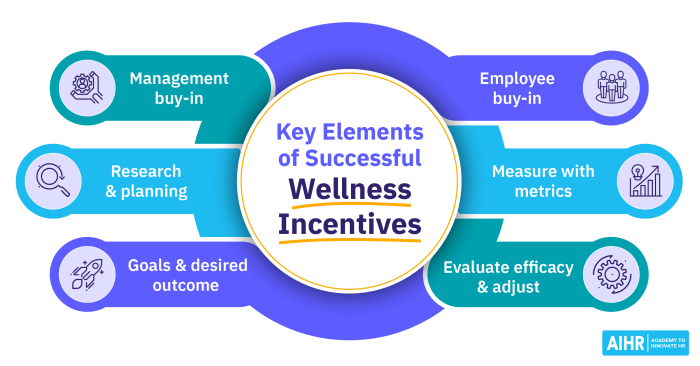
In conclusion, measuring the success of wellness programs is essential for optimizing their outcomes and tailoring future initiatives. By implementing the right metrics and assessment tools, organizations can ensure the long-term success of their wellness programs.
FAQ Resource
How can I determine the success of a wellness program?
You can assess the success of a wellness program by analyzing factors such as participant engagement, health outcomes, and return on investment.
What are some effective ways to measure the impact of wellness initiatives?
Tracking metrics like employee satisfaction, absenteeism rates, and health improvements can help gauge the success of wellness programs.
Why is it important to evaluate the effectiveness of wellness programs?
Evaluating wellness programs allows organizations to make informed decisions, allocate resources efficiently, and continuously improve the well-being of their employees.