
With Foods that help to regulate blood pressure at the forefront, embark on a journey exploring the power of nutrition in maintaining optimal blood pressure levels and overall well-being. Discover the impact of a balanced diet and specific nutrients on your cardiovascular health through a variety of delicious recipes designed to support your heart health.
Foods that help to regulate blood pressure
When it comes to managing blood pressure, incorporating specific foods into your diet can make a significant difference. These foods are known to have a positive impact on regulating blood pressure levels.
Common Foods for Regulating Blood Pressure
- Berries: Berries are rich in antioxidants, which can help reduce inflammation and improve blood vessel function.
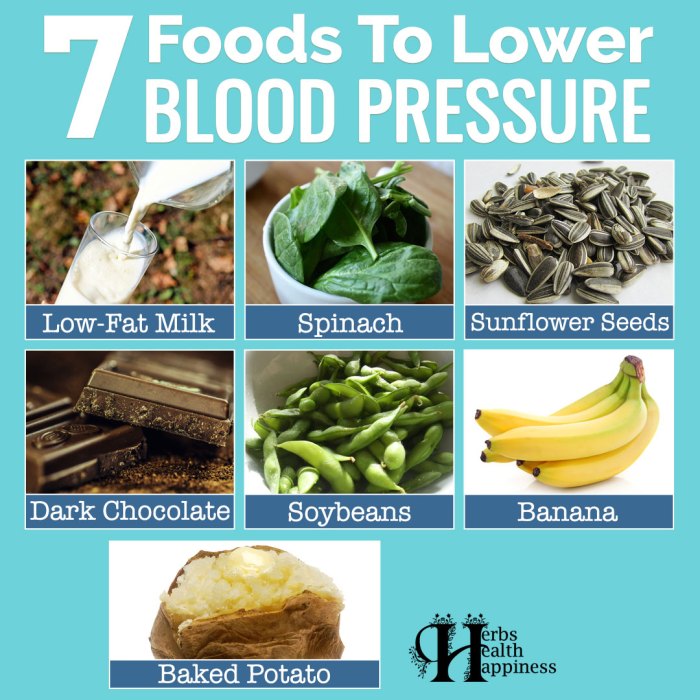
- Leafy greens: Vegetables like spinach, kale, and Swiss chard are packed with potassium, magnesium, and calcium, all of which contribute to healthy blood pressure.
- Fatty fish: Salmon, mackerel, and sardines are excellent sources of omega-3 fatty acids, which are beneficial for heart health and blood pressure regulation.
Role of Balanced Diet in Blood Pressure Management
A balanced diet that includes a variety of nutrient-dense foods is essential for maintaining healthy blood pressure levels. Consuming whole grains, lean proteins, and healthy fats can support overall heart health and help manage blood pressure effectively.
Impact of Specific Nutrients on Blood Pressure
Key nutrients like potassium, magnesium, and fiber play crucial roles in regulating blood pressure. Potassium helps the body balance sodium levels, while magnesium relaxes blood vessels and improves circulation. Fiber aids in digestion and can help lower cholesterol levels, contributing to better cardiovascular health.
Recipes for Blood Pressure Regulation
- Grilled salmon with a side of sautéed spinach and quinoa
- Berry smoothie bowl topped with nuts and seeds
- Vegetable stir-fry with tofu and brown rice
Wellness Programs
Maintaining a healthy lifestyle goes beyond just physical fitnessit also involves looking after our mental and emotional well-being. Wellness programs are designed to address all aspects of health, promoting overall well-being and a better quality of life for participants.
Components of a Comprehensive Wellness Program
- Physical Fitness: Incorporating regular exercise routines and promoting an active lifestyle.
- Nutritional Support: Providing guidance on healthy eating habits and balanced diets.
- Mental Health Services: Offering resources for stress management, mindfulness, and emotional well-being.
- Health Screenings: Conducting regular health assessments to monitor progress and detect any potential issues early on.
- Work-Life Balance: Encouraging a healthy balance between work, personal life, and self-care.
Importance of Wellness Programs
Wellness programs play a crucial role in promoting overall health by addressing the interconnected aspects of physical, mental, and emotional well-being. By focusing on prevention and education, these programs empower individuals to take control of their health and make informed lifestyle choices.
Successful Examples of Wellness Programs
- Company Wellness Initiatives: Many organizations offer wellness programs to employees, leading to reduced absenteeism, increased productivity, and improved employee morale.
- Community Health Programs: Local initiatives that provide access to affordable healthcare services, nutritional education, and fitness classes have a positive impact on community health outcomes.
- School Wellness Campaigns: Schools that promote healthy eating habits, physical activity, and mental health awareness create a supportive environment for students to thrive academically and emotionally.
Herbal Remedies
Herbal remedies have been used for centuries to help manage various health conditions, including blood pressure. While not a replacement for prescribed medication, some herbal remedies may offer benefits in regulating blood pressure levels. It is important to note that consulting with a healthcare provider is crucial before incorporating herbal remedies into your routine.
Common Herbal Remedies for Blood Pressure
- Garlic: Known for its potential to lower blood pressure, garlic supplements or raw garlic can be beneficial.
- Hawthorn: Often used to improve heart health, hawthorn may help in managing blood pressure levels.
- Hibiscus: Studies have shown that hibiscus tea can have a positive impact on hypertension.
Effectiveness of Herbal Remedies
- While some herbal remedies have shown promise in managing blood pressure, results may vary from person to person.
- It is essential to monitor blood pressure levels regularly and consult a healthcare provider for proper guidance.
Benefits and Risks of Herbal Remedies
- Benefits: Herbal remedies may offer a more natural approach to managing blood pressure without as many side effects as prescription medications.
- Risks: Some herbal remedies may interact with existing medications or have side effects, underscoring the importance of professional advice.
Incorporating Herbal Remedies Safely
- Research: Thoroughly research any herbal remedy before use and consider the source of information.
- Consultation: Always seek advice from a healthcare provider or herbalist before incorporating herbal remedies into your routine.
- Consistency: If using herbal remedies, consistency in dosage and consumption is key to potentially seeing benefits.
Skin Health
Skin health is closely related to blood pressure regulation, as maintaining healthy blood pressure levels can positively impact the condition of our skin. When blood pressure is well-regulated, it ensures proper blood flow and oxygen delivery to the skin, which can help in promoting a healthy complexion and overall skin health.
Skincare Practices
- Stay hydrated: Drinking an adequate amount of water daily can help keep the skin hydrated and maintain its elasticity.
- Follow a balanced diet: Consuming foods rich in antioxidants, vitamins, and minerals can benefit skin health and support blood pressure regulation.
- Protect from sun exposure: Use sunscreen and protective clothing to prevent skin damage from harmful UV rays, which can also affect blood pressure levels.
- Establish a skincare routine: Cleansing, moisturizing, and exfoliating regularly can help maintain healthy skin and support overall well-being.
Bone Density
Maintaining optimal bone density is essential for overall health and well-being. The relationship between blood pressure regulation and bone density is interconnected, as factors affecting blood pressure can also influence bone health.Factors such as inflammation, oxidative stress, and hormonal imbalances that impact blood pressure levels can also affect bone density.
For example, high blood pressure can lead to increased calcium excretion, which in turn can weaken bones and decrease bone density over time.To support both blood pressure regulation and bone density, it is important to consume a balanced diet rich in nutrients such as calcium, vitamin D, magnesium, and potassium.
Foods like leafy greens, dairy products, nuts, seeds, and fatty fish can help in maintaining healthy blood pressure levels and promoting strong bones.In addition to diet, engaging in weight-bearing exercises like walking, running, or weightlifting can also help improve bone density.
These activities stimulate bone growth and strengthen bones, reducing the risk of fractures and osteoporosis.To maintain optimal bone density through lifestyle choices, it is important to avoid smoking and excessive alcohol consumption, as these habits can negatively impact bone health.
Getting an adequate amount of sunlight for vitamin D production and ensuring proper hydration are also key factors in supporting bone density.
Foods for Bone Health and Blood Pressure
- Eat a diet rich in calcium and vitamin D, including dairy products, fortified foods, and leafy greens.
- Incorporate magnesium-rich foods like nuts, seeds, and whole grains into your meals.
- Consume potassium-rich foods such as bananas, sweet potatoes, and avocados to help regulate blood pressure and support bone health.
Muscle Mass
Maintaining proper blood pressure levels is crucial for preserving muscle mass as it ensures optimal blood flow and nutrient delivery to the muscles. When blood pressure is too high, it can lead to damage to blood vessels and impair the circulation needed for muscle function.
Impact of Blood Pressure on Muscle Function
Elevated blood pressure levels can impact muscle function and strength by reducing the efficiency of nutrient and oxygen delivery to the muscles. This can result in decreased muscle performance, endurance, and recovery after exercise.
- Engage in regular aerobic exercises like walking, cycling, or swimming to improve cardiovascular health and regulate blood pressure.
- Incorporate strength training exercises such as weightlifting or bodyweight exercises to promote muscle growth and maintenance.
- Consume a balanced diet rich in lean proteins, fruits, vegetables, and whole grains to support muscle health and regulate blood pressure.
- Avoid excessive salt intake and processed foods high in sodium, as they can contribute to high blood pressure and negatively impact muscle function.
Achieving Balance between Cardiovascular Health and Muscle Development
Finding a balance between cardiovascular health and muscle development is essential for overall fitness and well-being. By combining aerobic exercises, strength training, and a nutritious diet, individuals can effectively regulate blood pressure while promoting muscle mass maintenance.
Remember to consult with a healthcare professional or a fitness expert before starting any new exercise or diet regimen.
Dental Care
Maintaining good dental care practices is not only essential for oral health but also plays a role in supporting overall blood pressure health. The link between blood pressure regulation and oral health is crucial, as high or low blood pressure can impact various dental conditions.
Here are some insights on how oral hygiene contributes to overall health and well-being.
Impact of Blood Pressure on Dental Health
- High blood pressure can lead to gum disease and other oral health issues, as it affects blood flow to the gums and can weaken the tissues supporting the teeth.
- On the other hand, low blood pressure can also have negative effects on dental health, such as causing dry mouth, which can lead to tooth decay and other oral infections.
- Regular dental check-ups are important for individuals with high blood pressure, as they may be more prone to gum disease and other dental issues.
Tips for Good Dental Care Practices
- Brush your teeth at least twice a day and floss daily to remove plaque and prevent gum disease.
- Avoid tobacco products, as smoking can contribute to gum disease and other oral health problems.
- Limit sugary and acidic foods and drinks, as they can erode tooth enamel and increase the risk of cavities.
- Stay hydrated and maintain a balanced diet rich in vitamins and minerals to support overall oral health.
Eye Health
Maintaining good eye health is crucial for overall well-being. The relationship between blood pressure regulation and eye health is significant, as high blood pressure can have negative effects on the eyes.Elevated blood pressure levels can impact eye conditions such as hypertensive retinopathy, which is damage to the blood vessels in the retina due to high blood pressure.
This condition can lead to vision problems and even blindness if left untreated.To promote good eye health alongside blood pressure regulation, it is essential to adopt healthy lifestyle choices and habits. This includes consuming a balanced diet rich in nutrients like vitamins A, C, and E, which are beneficial for eye health.
Regular exercise, maintaining a healthy weight, and avoiding smoking can also help reduce the risk of eye-related complications.Regular eye check-ups are crucial in maintaining overall health, as they can help detect any potential eye issues early on. Eye exams can also provide insights into the general state of your health, as certain eye conditions may be indicative of underlying health problems like diabetes or high blood pressure.
Tips for Good Eye Health
- Protect your eyes from harmful UV rays by wearing sunglasses outdoors.
- Avoid prolonged screen time and take regular breaks to rest your eyes.
- Stay hydrated to prevent dry eyes and maintain eye lubrication.
- Aim for at least 7-8 hours of quality sleep each night to support eye health.
- Practice good hygiene by washing your hands before touching your eyes to prevent infections.
Mental Clarity
Maintaining healthy blood pressure levels not only contributes to overall physical well-being but also plays a crucial role in cognitive function and mental clarity. When blood pressure is regulated effectively, it supports brain health and enhances mental sharpness.
Activities to Enhance Mental Clarity and Support Blood Pressure Regulation
- Regular Exercise: Engaging in physical activities like walking, jogging, or yoga can improve blood circulation to the brain, promoting mental alertness.
- Mindfulness Meditation: Practicing mindfulness can help reduce stress levels, which in turn can positively impact blood pressure and cognitive function.
- Healthy Diet: Consuming foods rich in omega-3 fatty acids, antioxidants, and essential nutrients can support brain health and regulate blood pressure.
Emotional Well-being and Blood Pressure Management
- Stress Management: Chronic stress can lead to high blood pressure and cognitive impairment. Techniques like deep breathing, journaling, or seeking therapy can help manage stress levels effectively.
- Social Connections: Building strong social relationships and maintaining a support system can contribute to emotional well-being, which in turn can positively impact blood pressure regulation.
- Quality Sleep: Adequate sleep is crucial for cognitive function and emotional balance. Prioritizing good sleep hygiene can support both mental clarity and blood pressure management.
Joint Flexibility
Maintaining joint flexibility is crucial for overall well-being, as it allows for ease of movement and prevents injuries. The relationship between blood pressure regulation and joint flexibility is interconnected, as high blood pressure levels can impact joint health and mobility.
Exercise Tips
Regular exercise is key to promoting both blood pressure regulation and joint flexibility. Focus on low-impact exercises such as swimming, yoga, or walking to reduce stress on joints while improving cardiovascular health.
Dietary Recommendations
Incorporating foods rich in omega-3 fatty acids, antioxidants, and anti-inflammatory properties can help reduce inflammation in the joints and support blood pressure regulation. Include foods like fatty fish, nuts, seeds, leafy greens, and berries in your diet.
Lifestyle Choices
Maintain a healthy weight to reduce strain on joints and lower blood pressure levels. Stay hydrated, practice good posture, and avoid prolonged sitting to prevent stiffness in the joints. Incorporate stress-reducing activities like meditation or deep breathing exercises to support overall joint health.
Importance of Joint Health
Taking care of your joints is essential for maintaining mobility, preventing pain, and enjoying an active lifestyle. By focusing on both blood pressure regulation and joint flexibility, you can enhance your overall well-being and quality of life.
Digestive Health
When it comes to regulating blood pressure, maintaining good digestive health is crucial. The connection between these two aspects of our well-being is often overlooked, but they are intricately linked.
High blood pressure levels can impact digestive processes by causing issues such as bloating, constipation, or even more severe conditions like irritable bowel syndrome. On the other hand, poor digestive health can also contribute to hypertension due to inflammation and nutrient absorption issues.
Foods for Blood Pressure and Digestive Health
- Eat a diet rich in fiber from fruits, vegetables, whole grains, and legumes to promote healthy digestion and regulate blood pressure.
- Incorporate probiotic-rich foods like yogurt, kefir, sauerkraut, and kimchi to support good gut bacteria balance and overall well-being.
- Avoid processed foods high in salt and sugar, as they can negatively impact both blood pressure levels and digestive health.
Lifestyle Choices for Gut Health and Blood Pressure
- Stay hydrated by drinking plenty of water throughout the day to aid digestion and help maintain optimal blood pressure.
- Engage in regular physical activity to support both cardiovascular health and digestive functions.
- Manage stress through techniques like meditation, deep breathing, or yoga, as stress can affect both blood pressure and gut health.
Importance of Gut Health
Gut health is essential for overall well-being as it plays a significant role in nutrient absorption, immune function, and even mental health. By taking care of your digestive system, you not only support your blood pressure regulation but also enhance your overall health and vitality.
Detox Process
In the detox process, blood pressure regulation plays a crucial role in the body’s natural cleansing mechanisms. When blood pressure is well-managed, it allows the organs, especially the kidneys and liver, to effectively filter out toxins and waste products from the body.Toxins can have a significant impact on blood pressure levels and overall health.
High levels of toxins in the body can lead to inflammation, oxidative stress, and damage to blood vessels, which in turn can elevate blood pressure. This can further increase the risk of developing cardiovascular diseases and other chronic conditions.
Supporting Detox Processes
- Stay hydrated: Drinking an adequate amount of water helps flush out toxins and supports kidney function.
- Eat a balanced diet: Include plenty of fruits, vegetables, and whole grains rich in antioxidants and fiber to aid in detoxification.
- Exercise regularly: Physical activity promotes circulation and sweating, which are essential for eliminating toxins through the skin.
- Limit alcohol and caffeine: Excessive consumption of alcohol and caffeine can burden the liver and hinder its detoxification functions.
Holistic Approaches to Detoxification
- Try fasting: Intermittent fasting or juice cleanses can give the digestive system a break and allow the body to focus on eliminating toxins.
- Use herbs and supplements: Certain herbs like dandelion root and milk thistle can support liver detoxification processes.
- Practice stress management: Chronic stress can impair detoxification pathways, so incorporating relaxation techniques like yoga or meditation is beneficial.
- Sauna therapy: Sweating in a sauna helps the body release toxins through the skin and promotes overall detoxification.
Heart Rate
Maintaining a healthy heart rate is crucial for overall cardiovascular health. Let’s explore the relationship between blood pressure regulation and heart rate, and how they are interconnected.
Impact of Exercise, Stress, and Other Factors
- Exercise: Regular physical activity can help lower both blood pressure and heart rate, improving cardiovascular function.
- Stress: High levels of stress can lead to an increase in heart rate and blood pressure, negatively impacting heart health.
- Diet: Consuming a balanced diet rich in fruits, vegetables, and whole grains can help regulate blood pressure and heart rate.
Tips for Maintaining a Healthy Heart Rate
- Stay Active: Engage in regular exercise to keep your heart rate in check.
- Manage Stress: Practice relaxation techniques such as deep breathing or meditation to reduce stress levels.
- Monitor Your Heart Rate: Keep track of your heart rate during physical activity and rest periods to ensure it stays within a healthy range.
Health Screenings
Regular health screenings play a crucial role in monitoring blood pressure and overall health. These screenings help in early detection of potential health issues related to blood pressure, allowing for timely intervention and management.
Types of Health Screenings
- Blood Pressure Monitoring: Regular checks to measure blood pressure levels and identify any fluctuations.
- Cholesterol Testing: Assessing cholesterol levels to understand cardiovascular health.
- ECG/EKG: Electrocardiogram to evaluate heart function and detect abnormalities.
- Stress Tests: Assessing heart rate response to physical activity to determine cardiovascular health.
Tips for Scheduling Screenings
- Consult with a healthcare provider to determine the frequency of screenings based on age, family history, and risk factors.
- Keep a record of screening dates and results for reference and tracking.
- Prioritize screenings based on urgency and relevance to your health status.
- Stay proactive and follow through with recommended screenings to maintain optimal well-being.
Vaccination Programs
Vaccination programs play a crucial role in supporting overall health by preventing various diseases and promoting immune system function. They are essential for maintaining optimal health and well-being, including the regulation of blood pressure.
Impact on Cardiovascular Health
Vaccines can have a direct impact on cardiovascular health and blood pressure by preventing infections that can lead to inflammation and stress on the heart. For example, the flu vaccine not only protects against the flu virus but also reduces the risk of complications like pneumonia, which can strain the cardiovascular system.
Recommended Vaccination Programs
- Annual flu vaccine: Helps prevent respiratory infections that can exacerbate cardiovascular issues.
- Pneumococcal vaccine: Protects against pneumonia, reducing the risk of heart complications.
- Shingles vaccine: Prevents shingles, a condition linked to increased cardiovascular risk.
Importance in Disease Prevention
Vaccinations are crucial in preventing the spread of infectious diseases, which can have serious implications for individuals with high blood pressure. By reducing the risk of infections, vaccines contribute to overall well-being and help maintain a healthy cardiovascular system.
Healthy Habits
Maintaining healthy habits is crucial for regulating blood pressure levels and promoting overall well-being. By incorporating simple daily routines and making positive lifestyle choices, individuals can significantly impact their blood pressure and overall health.
Examples of Healthy Habits
- Aim for a balanced diet rich in fruits, vegetables, whole grains, and lean proteins to support heart health and maintain a healthy weight.
- Engage in regular physical activity such as walking, jogging, swimming, or yoga to improve cardiovascular health and lower blood pressure.
- Practice stress-reducing techniques like meditation, deep breathing exercises, or mindfulness to manage stress levels and promote relaxation.
- Avoid smoking and limit alcohol consumption to reduce the risk of high blood pressure and other cardiovascular issues.
Long-Term Benefits of Healthy Habits
By cultivating healthy habits, individuals can experience a range of long-term benefits beyond blood pressure regulation. These include improved heart health, increased energy levels, better mental clarity, and a reduced risk of chronic diseases such as diabetes and obesity.
Tips for Incorporating Healthy Habits, Foods that help to regulate blood pressure
- Start small and gradually introduce one healthy habit at a time to avoid feeling overwhelmed.
- Create a daily routine that includes time for healthy meals, exercise, and relaxation activities.
- Stay accountable by tracking your progress and celebrating small victories along the way.
- Seek support from friends, family, or a healthcare professional to stay motivated and on track with your healthy habits.
Balanced Hormones
Maintaining balanced hormones is crucial for regulating blood pressure and overall health. Hormones play a key role in controlling various bodily functions, including blood pressure levels. When hormones are imbalanced, it can lead to fluctuations in blood pressure, potentially causing hypertension or hypotension.
Impact of Hormonal Imbalances on Blood Pressure Levels
Hormonal imbalances, such as elevated cortisol levels due to stress or thyroid disorders, can directly impact blood pressure. High levels of cortisol, known as the stress hormone, can lead to increased blood pressure, while thyroid imbalances can also affect blood pressure regulation.
It is essential to address these hormonal issues to maintain healthy blood pressure levels.
Tips for Promoting Hormonal Balance and Healthy Blood Pressure
- Avoiding processed foods and excess sugar can help regulate insulin levels, supporting hormonal balance.
- Incorporating regular exercise into your routine can reduce stress levels and promote the production of endorphins, which can help balance hormones.
- Getting an adequate amount of quality sleep is crucial for hormonal health and can positively impact blood pressure regulation.
- Managing stress through techniques like meditation, yoga, or deep breathing exercises can help lower cortisol levels and support hormonal balance.
Connection Between Hormonal Health and Overall Well-being
Maintaining balanced hormones is not only essential for regulating blood pressure but also for overall well-being. Hormones influence various bodily functions, including metabolism, immune response, and mood regulation. By prioritizing hormonal balance through lifestyle choices, diet, and habits, you can support not only healthy blood pressure but also overall health and wellness.
Health Coaching
Health coaching plays a crucial role in supporting individuals with blood pressure regulation by providing personalized guidance, motivation, and accountability throughout their health journey.
Role of Health Coaches
- Health coaches can assist in developing personalized strategies for managing blood pressure by analyzing individual lifestyle factors, such as diet, exercise, stress levels, and sleep patterns.
- They help clients set realistic goals, create action plans, and track progress to ensure sustainable changes for long-term blood pressure control.
- By offering education, resources, and emotional support, health coaches empower individuals to take control of their health and make informed decisions.
Benefits of Working with a Health Coach
- Working with a health coach can lead to improved blood pressure management, increased adherence to treatment plans, and better overall health outcomes.
- Health coaches provide personalized support, motivation, and accountability to help individuals stay on track and overcome challenges in their blood pressure management journey.
- They can help individuals create sustainable lifestyle changes that not only impact blood pressure but also contribute to better overall health and well-being.
Finding a Qualified Health Coach
- When looking for a health coach, it is essential to seek certified professionals with relevant experience, expertise, and a personalized approach to coaching.
- Consider factors such as compatibility, communication style, and coaching philosophy to ensure a good fit and maximize the coaching experience.
- Seek recommendations, read reviews, and schedule initial consultations to assess the coach’s qualifications and determine if they align with your health goals and preferences.
Maximizing the Coaching Experience
- Communicate openly and honestly with your health coach about your goals, challenges, and preferences to ensure personalized and effective support.
- Stay committed, engaged, and proactive in the coaching process by actively participating in sessions, completing assigned tasks, and implementing recommended strategies.
- Regularly review progress, celebrate accomplishments, and adjust goals as needed to maintain motivation and momentum towards better blood pressure management.
Fitness Goals
Setting fitness goals can have a significant impact on regulating blood pressure. By incorporating regular physical activity and exercise into your routine, you can improve your cardiovascular health and overall well-being. Designing a fitness plan that aligns with your blood pressure management goals is essential for long-term success.
The Relationship Between Physical Activity and Cardiovascular Health
Regular physical activity plays a crucial role in maintaining a healthy heart and regulating blood pressure. Exercise helps strengthen the heart muscle, improve circulation, and reduce the risk of developing hypertension. By staying active, you can support your cardiovascular system and lower your blood pressure levels.
Tips for Designing a Fitness Plan
- Set specific and achievable fitness goals related to blood pressure management.
- Incorporate a mix of aerobic exercises, strength training, and flexibility exercises into your routine.
- Consult with a fitness professional or healthcare provider to tailor a plan that meets your individual needs.
- Track your progress and make adjustments as needed to stay motivated and on track.
The Importance of Regular Physical Activity
Regular physical activity not only helps regulate blood pressure but also supports overall health and well-being. By staying active, you can boost your energy levels, improve mood, reduce stress, and enhance your quality of life. Making physical activity a priority can have a positive impact on both your physical and mental health.
Diet Planning
Maintaining healthy blood pressure levels is crucial for overall well-being, and diet planning plays a key role in achieving this goal. The foods we consume can significantly impact our blood pressure regulation and overall cardiovascular health.
The Influence of Dietary Choices
- High intake of sodium-rich foods can lead to high blood pressure due to water retention and increased strain on the heart.
- Consuming potassium-rich foods like bananas, sweet potatoes, and leafy greens can help lower blood pressure by balancing sodium levels in the body.
- A diet high in fruits, vegetables, whole grains, and lean proteins can support healthy blood pressure levels and overall heart health.
Creating a Balanced Meal Plan
- Include a variety of nutrient-dense foods in your meals to ensure you are getting essential vitamins and minerals for cardiovascular health.
- Aim to limit processed foods, sugary drinks, and foods high in saturated and trans fats, as these can contribute to high blood pressure.
- Focus on portion control and mindful eating to prevent overeating and maintain a healthy weight, which is important for blood pressure management.
Nutrition, Diet, and Cardiovascular Health
- Research shows that a heart-healthy diet, rich in whole foods and low in added sugars and unhealthy fats, can reduce the risk of hypertension and other cardiovascular diseases.
- Regularly monitoring your blood pressure and making dietary adjustments based on your readings can help you maintain optimal blood pressure levels over time.
- Consulting with a healthcare provider or a nutritionist can provide personalized guidance on creating a diet plan that supports your blood pressure and heart health goals.
Health Supplements
When it comes to managing blood pressure levels, health supplements can play a crucial role in supporting overall health and well-being. However, it is essential to understand the benefits and potential risks associated with using supplements to regulate blood pressure.
Here, we will explore common health supplements that aid in blood pressure regulation, discuss their benefits and risks, provide tips on safely incorporating supplements into a balanced lifestyle, and emphasize the importance of consulting a healthcare provider before starting any supplement regimen.
Common Health Supplements for Blood Pressure Regulation
- Omega-3 fatty acids: Known for their anti-inflammatory properties, omega-3 supplements can help reduce blood pressure and support heart health.
- Coenzyme Q10 (CoQ10): This antioxidant can help improve blood flow and lower blood pressure levels.
- Magnesium: Magnesium supplements may help relax blood vessels and regulate blood pressure.
Benefits and Risks of Using Supplements for Blood Pressure Management
- Benefits:
- Supports heart health
- May help lower blood pressure levels
- Provides essential nutrients for overall well-being
- Risks:
- Potential interactions with medications
- Overconsumption leading to adverse effects
- Quality control issues with supplements
Tips for Safely Incorporating Supplements into a Balanced Lifestyle
- Consult with a healthcare provider before starting any supplement regimen to ensure safety and efficacy.
- Choose high-quality supplements from reputable brands to avoid contamination or impurities.
- Follow recommended dosage guidelines and monitor your blood pressure levels regularly.
Importance of Consulting a Healthcare Provider
Before incorporating any health supplements into your daily routine, it is crucial to seek guidance from a healthcare provider. They can assess your individual health needs, recommend suitable supplements, and monitor your progress to ensure optimal results while minimizing potential risks.
Breathing Techniques
Breathing techniques play a crucial role in regulating blood pressure by promoting relaxation, reducing stress, and improving cardiovascular health. Deep breathing exercises are especially beneficial in managing blood pressure levels and overall well-being.
Impact of Deep Breathing Exercises
- Deep breathing exercises help reduce stress and anxiety, which are known contributors to high blood pressure.
- By practicing deep breathing, oxygen levels in the bloodstream increase, promoting better circulation and cardiovascular health.
- Regular deep breathing can lower heart rate and induce a state of calmness, leading to reduced blood pressure levels.
Practicing Effective Breathing Techniques
- Find a quiet and comfortable place to sit or lie down.
- Inhale deeply through your nose, expanding your diaphragm and filling your lungs with air.
- Hold your breath for a few seconds, then exhale slowly through your mouth, releasing all the air from your lungs.
- Repeat this process several times, focusing on your breath and allowing your body to relax with each exhale.
Connection Between Mindfulness and Blood Pressure Regulation
- Mindfulness practices, such as deep breathing, meditation, and yoga, can help reduce stress and promote relaxation, leading to better blood pressure control.
- By incorporating mindfulness techniques into your daily routine, you can improve your overall well-being and enhance your body’s ability to regulate blood pressure naturally.
Disease Prevention
Maintaining healthy blood pressure levels plays a crucial role in disease prevention. By keeping blood pressure in check, individuals can significantly reduce the risk of developing various health conditions and improve overall well-being.
Role of Blood Pressure Regulation
- Healthy blood pressure levels help reduce the risk of heart disease and stroke, two leading causes of death globally.
- Proper blood pressure management can also lower the risk of kidney disease and cognitive decline.
- Individuals with controlled blood pressure are less likely to experience vision problems and peripheral artery disease.
Lifestyle Choices for Disease Prevention
- Engage in regular physical activity to maintain a healthy weight and reduce blood pressure.
- Follow a balanced diet rich in fruits, vegetables, whole grains, and lean proteins to support heart health.
- Avoid smoking and limit alcohol consumption to prevent spikes in blood pressure.
Holistic Approach to Disease Prevention
- Practice stress-reducing techniques such as meditation, yoga, or deep breathing exercises to manage blood pressure levels.
- Get regular health check-ups to monitor blood pressure and other vital signs for early detection of any abnormalities.
- Ensure adequate sleep and hydration to support overall health and blood pressure regulation.
Pain Management: Foods That Help To Regulate Blood Pressure
Chronic pain can have a significant impact on blood pressure levels and overall well-being. Understanding the relationship between pain management and blood pressure regulation is crucial for maintaining a healthy lifestyle.
Effects of Chronic Pain on Blood Pressure
Chronic pain conditions can lead to increased stress levels, which in turn can cause spikes in blood pressure. The constant discomfort and inflammation associated with chronic pain can also contribute to elevated blood pressure over time. It’s essential to address pain issues to prevent potential complications related to hypertension.
Strategies for Managing Pain and Supporting Blood Pressure Regulation
- Practice relaxation techniques such as deep breathing, meditation, or yoga to reduce stress and manage pain effectively.
- Engage in regular physical activity to improve circulation, reduce inflammation, and alleviate pain symptoms.
- Adopt a healthy diet rich in anti-inflammatory foods like fruits, vegetables, whole grains, and lean proteins to support pain management and blood pressure control.
- Consider alternative therapies such as acupuncture, massage therapy, or chiropractic care to address pain issues holistically.
Importance of Addressing Pain for Overall Well-Being
Chronic pain not only affects physical health but also has a significant impact on mental and emotional well-being. Unmanaged pain can lead to depression, anxiety, and poor quality of life. By addressing pain issues effectively, individuals can improve their overall health and quality of life, while also supporting optimal blood pressure levels.
Holistic Treatments
Holistic treatments encompass a wide range of therapies and practices that focus on treating the individual as a whole, addressing physical, mental, emotional, and spiritual aspects of health. When it comes to regulating blood pressure, holistic approaches can play a significant role in complementing conventional medical treatments.Holistic health principles emphasize the interconnectedness of mind, body, and spirit, viewing health as a balance between these elements.
In the context of blood pressure management, holistic health can help identify and address underlying causes of imbalance, leading to a more holistic and sustainable approach to health and well-being.
Holistic Therapies and Practices
- Acupuncture: This traditional Chinese medicine practice involves the insertion of thin needles into specific points on the body to promote energy flow and balance, which can help regulate blood pressure.
- Yoga and Meditation: These mind-body practices focus on breathing techniques, relaxation, and mindfulness, which can reduce stress levels and contribute to lower blood pressure.
- Herbal Remedies: Natural herbs and supplements like hawthorn, garlic, and hibiscus may have blood pressure-lowering effects and can be used as part of a holistic treatment approach.
- Massage Therapy: By promoting relaxation, reducing muscle tension, and improving circulation, massage therapy can support overall cardiovascular health and blood pressure regulation.
Benefits of Integrating Holistic Treatments
- Comprehensive Approach: Holistic treatments offer a comprehensive approach to health that addresses the root causes of imbalances, leading to long-term health benefits.
- Reduced Side Effects: Many holistic therapies have minimal to no side effects compared to conventional medications, making them a safer option for some individuals.
- Promotion of Overall Well-being: By focusing on the whole person, holistic treatments can improve overall well-being, including mental health, emotional balance, and physical vitality.
Mental Resilience
Mental resilience plays a crucial role in coping with blood pressure-related challenges. It involves the ability to bounce back from stressful situations, adapt to changes, and maintain a positive outlook despite difficulties. When it comes to managing blood pressure, mental resilience is essential for maintaining overall well-being and reducing the negative impact of stress on the body.
Tips for Developing Mental Resilience
- Practice mindfulness: Engage in activities such as meditation, deep breathing exercises, or yoga to stay present and calm the mind.
- Prioritize self-care: Take time for yourself, engage in activities you enjoy, and practice relaxation techniques to reduce stress levels.
- Develop positive coping strategies: Identify healthy ways to manage stress, such as talking to a friend, journaling, or seeking professional help if needed.
Connection Between Mental Health and Blood Pressure
Maintaining good mental health and building resilience can have a direct impact on blood pressure levels. Chronic stress, anxiety, and negative emotions can contribute to high blood pressure, while a positive mindset, emotional well-being, and effective stress management can help regulate blood pressure and promote overall cardiovascular health.
Importance of Resilience in Well-Being
Resilience is not only essential for coping with blood pressure-related challenges but also for overall well-being. It allows individuals to navigate through life’s ups and downs with a sense of control and optimism, leading to better health outcomes and a higher quality of life.
By developing mental resilience, individuals can better manage their blood pressure and promote a healthier lifestyle.
Last Word
In conclusion, prioritizing foods that help regulate blood pressure can significantly improve your cardiovascular health, leading to a happier and healthier lifestyle. By incorporating these dietary changes and wellness practices into your routine, you can take proactive steps towards achieving optimal blood pressure levels and overall well-being.
Essential FAQs
Can specific nutrients in foods really impact blood pressure?
Absolutely! Nutrients like potassium, magnesium, and fiber play a crucial role in regulating blood pressure by supporting heart health and maintaining healthy blood vessels.
Are there any quick and easy recipes that incorporate ingredients for blood pressure regulation?
Yes, dishes like avocado and black bean salad, salmon with quinoa and spinach, and Greek yogurt with berries are not only delicious but also packed with nutrients that support healthy blood pressure levels.


