
Importance of hormone health for maintaining bone density – At the forefront of this discussion lies the vital role of hormone health in preserving bone density. Delve into the intricate connection between hormones and skeletal strength, uncovering insights that can revolutionize your approach to health.
Exploring the nuances of hormonal balance and its impact on bone density opens up a world of possibilities for enhancing your well-being.
Importance of Hormone Health for Maintaining Bone Density
Hormones play a crucial role in maintaining bone density by regulating the processes of bone formation and resorption. They help in the growth, development, and maintenance of healthy bones throughout life.
Role of Hormones in Bone Health
- Calcitonin: This hormone helps to regulate calcium levels in the blood by inhibiting bone breakdown and promoting calcium deposition into bones.
- Parathyroid Hormone (PTH): PTH helps to increase calcium levels in the blood by stimulating bone resorption, releasing calcium from bones into the bloodstream.
- Estrogen and Testosterone: These sex hormones play a significant role in maintaining bone density, especially in women. They help to inhibit bone breakdown and promote bone formation.
Impact of Hormonal Imbalance on Bone Strength
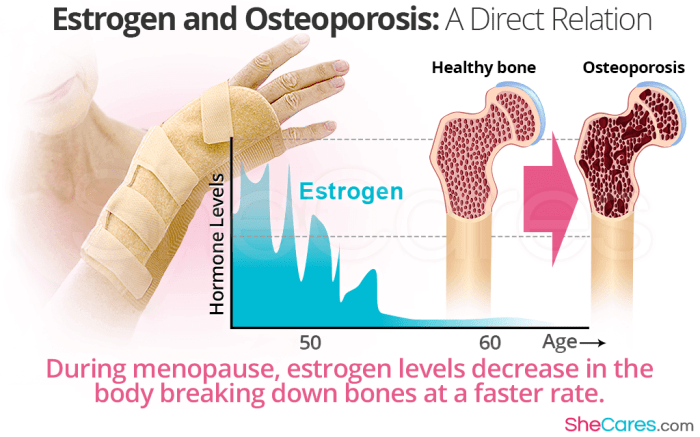
- Estrogen Deficiency: Postmenopausal women are at a higher risk of osteoporosis due to decreased estrogen levels, leading to increased bone resorption and decreased bone formation.
- Hyperparathyroidism: Excessive secretion of PTH can lead to excessive bone resorption, causing weakened bones and increased risk of fractures.
- Thyroid Hormones: Both hyperthyroidism and hypothyroidism can affect bone health by altering bone turnover and mineralization processes.
Wellness Programs
Participating in wellness programs is crucial for maintaining overall health and promoting hormone balance, which in turn supports bone density. These programs are designed to address various aspects of well-being, including physical, mental, and emotional health.
Components of a Comprehensive Wellness Program
- Physical Activity: Regular exercise helps strengthen muscles, improve flexibility, and support bone health.
- Nutrition: A balanced diet rich in calcium, vitamin D, and other essential nutrients is vital for maintaining bone density.
- Stress Management: Techniques such as meditation, yoga, and mindfulness can help reduce stress levels and promote hormone balance.
- Sleep Quality: Adequate sleep is essential for hormone regulation and overall health, including bone density maintenance.
- Health Screenings: Regular check-ups and screenings can help identify any hormone imbalances or bone density issues early on.
Benefits of Participating in Wellness Programs
- Improved Bone Health: By focusing on nutrition and physical activity, wellness programs can help prevent bone loss and maintain bone density.
- Hormone Balance: Stress management and adequate sleep can support hormone balance, which is essential for bone health.
- Reduced Risk of Chronic Diseases: Wellness programs can help lower the risk of conditions such as osteoporosis, diabetes, and heart disease.
- Enhanced Quality of Life: By promoting overall well-being, participating in wellness programs can lead to a better quality of life and increased longevity.
How Wellness Programs Support Hormone Balance and Bone Density
- Regular Exercise: Physical activity helps stimulate bone growth and maintain bone density, while also supporting hormone regulation.
- Healthy Diet: Proper nutrition ensures the intake of essential nutrients for bone health and hormone production.
- Stress Reduction: Managing stress levels can prevent hormonal imbalances that may affect bone density.
- Sleep Hygiene: Quality sleep is crucial for hormone balance, which in turn impacts bone health and density.
Herbal Remedies
Herbal remedies have been used for centuries to promote overall health and well-being. When it comes to hormone health and bone density, certain herbs are known to support hormonal balance and bone health.
Examples of Herbal Remedies
- Ashwagandha: Known for its adaptogenic properties, ashwagandha can help regulate cortisol levels and support hormonal balance.
- Black Cohosh: Often used to alleviate symptoms of menopause, black cohosh can also support bone health by potentially reducing bone loss.
- Red Clover: Rich in isoflavones, red clover may help promote estrogen balance in the body, which is crucial for bone health.
Effectiveness of Herbal Remedies
- While herbal remedies can be beneficial in promoting hormonal balance and supporting bone health, it’s important to note that their effectiveness may vary from person to person.
- Research on the efficacy of herbal remedies for bone health is ongoing, and more studies are needed to establish their long-term impact.
- It’s essential to consult with a healthcare provider before incorporating herbal remedies into your routine, especially if you have existing health conditions or are taking medications.
Consulting with a Healthcare Provider
- Before starting any herbal remedy regimen, it’s crucial to seek guidance from a healthcare provider who can assess your individual needs and monitor your progress.
- Healthcare providers can help determine the right dosage, potential interactions with medications, and any possible side effects of herbal remedies.
- A healthcare provider can also recommend specific herbal remedies based on your unique health profile and ensure they are safe and effective for you.
Skin Health
Maintaining hormonal balance is crucial not only for overall health but also for skin health. Hormones play a significant role in the condition of our skin, affecting its elasticity, hydration, and overall appearance.
Connection between Hormonal Health and Skin Condition
Hormones such as estrogen, testosterone, and cortisol impact the skin’s oil production, collagen levels, and even skin thickness. Imbalances in these hormones can lead to various skin issues, including acne, dryness, and premature aging.
- Hormonal Imbalances and Skin Issues
Hormonal fluctuations can result in acne breakouts, especially during puberty, menstruation, or menopause. Increased levels of cortisol, known as the stress hormone, can lead to skin inflammation and sensitivity.
Role of Hormones in Maintaining Skin Elasticity and Health
Estrogen, in particular, plays a crucial role in maintaining skin elasticity and hydration. It helps stimulate collagen production, which keeps the skin firm and supple. As estrogen levels decline with age, skin may become thinner and lose its elasticity, leading to wrinkles and sagging.
Bone Density
Bone density refers to the amount of mineral content in bone tissue, which indicates the strength and density of bones. Maintaining optimal bone density is crucial for overall health, as it helps prevent fractures, osteoporosis, and other bone-related issues.
Factors Influencing Bone Density
- Genetics: Family history plays a significant role in determining bone density levels.
- Diet: Adequate intake of calcium, vitamin D, and other nutrients is essential for healthy bones.
- Physical Activity: Weight-bearing exercises and strength training help build and maintain bone density.
- Hormone Levels: Hormones like estrogen, testosterone, and growth hormone play a crucial role in bone health.
- Lifestyle Choices: Smoking, excessive alcohol consumption, and a sedentary lifestyle can negatively impact bone density.
Strategies for Improving Bone Density
- Ensure a balanced diet rich in calcium, vitamin D, magnesium, and other bone-healthy nutrients.
- Engage in regular weight-bearing exercises such as walking, jogging, dancing, or strength training.
- Avoid smoking and limit alcohol intake to promote bone health.
- Get regular screenings and bone density tests to monitor bone health status.
- Consult with a healthcare provider to address any hormonal imbalances that may affect bone density.
Muscle Mass
Maintaining muscle mass is crucial for overall health and functionality. Hormones play a significant role in regulating muscle growth, strength, and repair. Let’s explore the relationship between hormones and muscle health.
Impact of Hormonal Changes on Muscle Health
Hormonal changes, such as a decrease in testosterone or growth hormone levels, can lead to muscle loss and decreased muscle strength. This can result in reduced physical performance, increased risk of injuries, and slower recovery from exercise.
- Testosterone: Testosterone is essential for promoting muscle protein synthesis and growth. Low testosterone levels can result in muscle wasting and weakness.
- Growth Hormone: Growth hormone stimulates muscle growth, repair, and regeneration. A decline in growth hormone levels can lead to muscle loss and reduced muscle mass.
- Insulin-like Growth Factor 1 (IGF-1): IGF-1 works in conjunction with growth hormone to support muscle growth and repair. Low levels of IGF-1 can negatively impact muscle health.
It’s important to maintain hormonal balance to support muscle health and preserve muscle mass.
Tips for Preserving Muscle Mass through Hormonal Balance
Maintaining hormonal balance is key to preserving muscle mass and strength. Here are some tips to help support muscle health through hormonal balance:
- Regular Exercise: Engage in resistance training and aerobic exercise to stimulate muscle growth and maintain muscle mass.
- Healthy Diet: Consume an adequate amount of protein, essential amino acids, and micronutrients to support muscle growth and repair.
- Adequate Sleep: Get enough quality sleep to optimize hormone production and muscle recovery.
- Stress Management: Chronic stress can disrupt hormone levels and impact muscle health. Practice stress-reducing techniques such as meditation or yoga.
- Hormone Therapy: In some cases, hormone therapy may be recommended to restore hormonal balance and support muscle health.
Dental Care
When it comes to hormonal health, many people may not realize that it also plays a crucial role in dental care. Hormones can impact oral health and the bone structure in the mouth, affecting everything from gum health to tooth density.
Connection Between Hormonal Health and Dental Issues
Research has shown that hormonal changes, such as fluctuations in estrogen and progesterone levels, can lead to an increased risk of gum disease and other oral health issues. These hormones can influence blood flow to the gums, affecting their health and potentially leading to inflammation and infection.
- Hormones like estrogen help to protect the bone around the teeth, and a decrease in estrogen levels can result in bone loss in the jaw, impacting the stability of teeth.
- Changes in hormones during pregnancy or menopause can also lead to increased sensitivity in the gums, making them more susceptible to issues like gingivitis.
- Conditions such as osteoporosis, which is linked to hormonal changes, can also affect the strength of the jawbone and increase the risk of tooth loss.
Dental Care Practices for Hormonal Balance and Bone Density Support
Ensuring good dental care practices can help support hormonal balance and maintain bone density in the mouth. Here are some tips:
- Regular brushing and flossing to prevent plaque buildup and maintain gum health.
- Eating a balanced diet rich in calcium and vitamin D to support bone strength.
- Regular dental check-ups to detect any issues early and prevent further complications.
- Avoiding tobacco and excessive alcohol consumption, as they can have negative effects on oral health and bone density.
Eye Health
Maintaining hormonal balance is crucial for overall health, including eye health. Hormones play a significant role in ensuring proper functioning of the eyes and preserving vision. Let’s delve into how hormonal imbalances can impact eye health and explore tips for supporting healthy eyes through hormonal balance.
Role of Hormones in Maintaining Eye Health
Hormones such as estrogen, testosterone, and thyroid hormones play a vital role in maintaining the health of the eyes. Estrogen, for example, helps in protecting the eyes from age-related conditions like macular degeneration, while testosterone can promote tear production, preventing dry eyes.
Thyroid hormones regulate metabolism, which can affect eye health as well.
Impact of Hormonal Imbalances on Vision and Eye Conditions
Imbalances in hormones can lead to various eye conditions and vision problems. For instance, fluctuations in estrogen levels can increase the risk of conditions like dry eyes, glaucoma, and age-related macular degeneration. Thyroid imbalances may result in eye bulging (Graves’ disease), double vision, or dry eyes.
Maintaining hormonal balance is essential to prevent such issues.
Tips for Supporting Eye Health through Hormonal Balance
- Eat a balanced diet rich in nutrients essential for eye health, such as omega-3 fatty acids, vitamin A, and antioxidants.
- Manage stress levels, as chronic stress can disrupt hormone levels and impact eye health.
- Get regular exercise to improve circulation and support overall hormonal balance.
- Ensure an adequate intake of water to prevent dehydration, which can affect tear production and lead to dry eyes.
- Consult with a healthcare provider if you suspect hormonal imbalances affecting your eye health, as early detection and treatment are key.
Mental Clarity
Maintaining hormonal balance is crucial for cognitive function and mental clarity. Hormones play a significant role in regulating brain function, memory, and overall mental well-being. Any fluctuations in hormone levels can impact mood, cognitive abilities, and mental sharpness.
Impact of Hormonal Balance on Cognitive Function
- Hormones like estrogen, progesterone, and testosterone influence neurotransmitters in the brain, affecting cognition and memory.
- Optimal levels of thyroid hormones are essential for proper brain function, attention, and focus.
- Cortisol, the stress hormone, can impair cognitive function when elevated for prolonged periods.
Effects of Hormonal Fluctuations on Mood and Cognitive Abilities
- Menopausal women often experience cognitive changes due to declining estrogen levels, leading to issues like brain fog and forgetfulness.
- Hormonal imbalances in thyroid hormones can cause symptoms of depression, fatigue, and difficulty concentrating.
- Testosterone deficiency in men can affect cognitive function, mood, and overall mental clarity.
Strategies for Improving Mental Clarity through Hormone Optimization
- Consulting a healthcare provider for hormone testing and personalized hormone replacement therapy, if needed.
- Regular exercise and a healthy diet can help regulate hormone levels and improve cognitive function.
- Stress management techniques like mindfulness, meditation, and deep breathing can lower cortisol levels and enhance mental clarity.
- Adequate sleep is crucial for hormone balance and optimal brain function, promoting mental sharpness and focus.
Joint Flexibility
Maintaining joint flexibility is crucial for overall mobility and quality of life. Hormones play a significant role in supporting joint health and flexibility, impacting the strength and elasticity of connective tissues.
Hormonal Imbalance and Joint Health
Hormonal imbalance, such as low estrogen levels in women or low testosterone levels in men, can lead to issues like osteoarthritis or rheumatoid arthritis, affecting joint health and flexibility. These conditions can cause pain, stiffness, and reduced range of motion in the joints.
- Engage in regular physical activity to keep the joints moving and maintain flexibility.
- Include strength training exercises to support muscle strength around the joints, providing stability.
- Practice yoga or tai chi to improve flexibility, balance, and joint mobility.
- Stay hydrated and maintain a healthy diet rich in nutrients to support joint health.
- Manage stress levels, as chronic stress can contribute to inflammation and joint pain.
Digestive Health
Maintaining a healthy digestive system is crucial for overall well-being, and hormonal balance plays a significant role in ensuring optimal digestive function. Hormones can influence various aspects of digestion, from the production of stomach acid to the movement of food through the intestines.
Connection between Hormones and Digestive Function
Hormones such as gastrin, secretin, and cholecystokinin are involved in regulating stomach acid production, enzyme secretion, and bile release, respectively. These hormones help break down food and facilitate nutrient absorption in the digestive tract.
- Gastrin stimulates the release of stomach acid, essential for breaking down food particles.
- Secretin triggers the pancreas to release bicarbonate, which neutralizes stomach acid and aids in digestion.
- Cholecystokinin signals the gallbladder to release bile, necessary for the digestion and absorption of fats.
Impact of Hormonal Imbalances on Digestive Health
Imbalances in hormones such as cortisol, insulin, and thyroid hormones can disrupt digestive processes, leading to issues like bloating, constipation, or diarrhea. Chronic stress, poor diet, and certain medical conditions can contribute to hormonal imbalances that affect digestive health.
- High cortisol levels from stress can slow down digestion and reduce nutrient absorption.
- Insulin resistance can lead to fluctuations in blood sugar levels, impacting gut motility and the growth of beneficial gut bacteria.
- Thyroid hormone imbalances may affect metabolism and bowel movements, causing digestive discomfort.
Tips for Promoting Digestive Health through Hormone Balance
Maintaining hormonal balance is key to supporting digestive health. Adopting healthy lifestyle habits and making dietary choices that support hormone regulation can help optimize digestion and prevent gastrointestinal issues.
- Eat a balanced diet rich in fiber, probiotics, and prebiotics to support gut health and hormone production.
- Manage stress through relaxation techniques like meditation, yoga, or deep breathing exercises to reduce cortisol levels.
- Stay hydrated, exercise regularly, and get enough sleep to promote overall hormonal balance and digestive function.
Detox Process
Detoxification is a crucial process in the body to eliminate toxins and waste, promoting overall health and well-being. Hormones play a significant role in regulating the body’s detox processes.
Hormonal Influence on Detoxification
- Hormones such as estrogen and thyroid hormones help to regulate the liver’s detoxification pathways, aiding in the breakdown and elimination of toxins.
- Imbalances in hormones can disrupt these detox processes, leading to a buildup of toxins in the body and potentially causing health issues.
- Proper hormone balance is essential for supporting efficient detoxification and maintaining optimal health.
Natural Ways to Support Detox Process
- Consuming a balanced diet rich in antioxidants, fiber, and nutrients can support the body’s natural detox processes.
- Staying hydrated by drinking an adequate amount of water helps flush out toxins from the body.
- Incorporating regular exercise into your routine can help improve circulation and support the body’s detoxification pathways.
- Reducing exposure to environmental toxins and chemicals can lessen the burden on the body’s detox systems.
- Practicing stress-reducing activities such as yoga or meditation can also support hormone balance and overall detoxification.
Blood Pressure
Maintaining healthy blood pressure is crucial for overall well-being. Hormones play a significant role in regulating blood pressure levels in the body.
Hormones Regulating Blood Pressure
- Hormones like aldosterone and cortisol help regulate blood pressure by controlling the balance of salt and water in the body.
- Renin, produced by the kidneys, stimulates the production of angiotensin, a hormone that constricts blood vessels and raises blood pressure when needed.
- Imbalances in these hormones can lead to high or low blood pressure, increasing the risk of cardiovascular diseases.
Relationship Between Hormonal Imbalances and Blood Pressure
- Hormonal imbalances, such as excess cortisol due to chronic stress, can lead to hypertension.
- Thyroid hormones influence heart rate and blood vessel relaxation, impacting blood pressure regulation.
- Menopause-related hormonal changes in women can also affect blood pressure levels.
Lifestyle Changes for Healthy Blood Pressure
- Engage in regular physical activity to help maintain hormone balance and lower blood pressure.
- Follow a balanced diet rich in fruits, vegetables, whole grains, and lean proteins to support overall hormonal health.
- Avoid excessive salt intake, as it can contribute to high blood pressure by disrupting hormone balance.
- Practice stress-reducing techniques like meditation, yoga, or deep breathing exercises to manage cortisol levels and maintain healthy blood pressure.
Heart Rate
Understanding the impact of hormones on heart rate and cardiovascular health is crucial for overall well-being. Hormones play a significant role in regulating heart rate, which is essential for maintaining a healthy cardiovascular system.
Influence of Hormones on Heart Rate
Hormones such as adrenaline and noradrenaline, produced by the adrenal glands, can increase heart rate in response to stress or excitement. On the other hand, hormones like acetylcholine help to slow down the heart rate. The delicate balance of these hormones is essential for optimal heart function.
Conditions and Imbalances Affecting Heart Rate
Conditions such as hyperthyroidism, where the thyroid gland produces excess hormones, can lead to a rapid heart rate (tachycardia). Conversely, hypothyroidism, characterized by insufficient thyroid hormone production, may cause a slow heart rate (bradycardia). Hormonal imbalances, such as those seen in menopause or adrenal disorders, can also impact heart rate.
Optimizing Heart Rate through Hormonal Balance, Importance of hormone health for maintaining bone density
- Regular exercise: Physical activity helps regulate hormone levels and promotes heart health.
- Healthy diet: Consuming a balanced diet rich in nutrients supports hormonal balance and heart function.
- Stress management: Practicing relaxation techniques can help reduce stress hormones that affect heart rate.
- Adequate sleep: Getting enough rest is crucial for hormone regulation and overall cardiovascular health.
Health Screenings
Regular health screenings play a crucial role in maintaining hormone balance and ensuring optimal bone density. These screenings help in early detection of any imbalances or deficiencies, allowing for timely intervention and treatment to prevent complications.
Importance of Regular Health Screenings
Regular health screenings are essential for monitoring hormone levels and bone density to prevent conditions such as osteoporosis and hormonal imbalances. These screenings provide valuable insights into your overall health and can help identify potential issues before they escalate.
- Hormone Level Screenings: Regular screenings for hormone levels, such as thyroid hormones, estrogen, testosterone, and cortisol, can help monitor hormonal balance and detect any abnormalities.
- Bone Density Tests: Bone density screenings, such as DEXA scans, are crucial for assessing bone health and detecting signs of osteoporosis or bone loss.
Early detection through health screenings can lead to timely interventions and treatments, reducing the risk of complications associated with hormonal imbalances and low bone density.
Vaccination Programs
When it comes to vaccination programs, hormonal health plays a crucial role in determining the effectiveness of the immune response. Hormones are key regulators of the immune system, and any imbalance can impact how the body reacts to vaccines.
Impact of Hormonal Health on Immune Response
Hormonal imbalances can weaken the immune system, leading to reduced vaccine efficacy. For example, low levels of certain hormones like cortisol or thyroid hormones can impair the body’s ability to mount a proper immune response after vaccination.
Importance of Vaccinations for Individuals with Hormonal Imbalances
Individuals with hormonal imbalances are often at higher risk for infections and illnesses due to compromised immune function. Vaccinations are especially important for this group to provide necessary protection against preventable diseases.
Guidelines for Vaccination Programs Tailored to Hormonal Health Needs
- Consult with healthcare providers to determine the best vaccination schedule based on individual hormonal health status.
- Ensure adequate hormone levels are maintained before and after vaccination to optimize immune response.
- Monitor hormone levels regularly to assess the impact of vaccinations on hormonal balance and immune function.
- Consider alternative vaccination strategies for individuals with severe hormonal imbalances to ensure safety and efficacy.
Healthy Habits
Maintaining healthy habits plays a crucial role in supporting hormone balance and bone density. Lifestyle choices can have a significant impact on hormone levels and overall bone health. By adopting healthy habits, individuals can promote their well-being and ensure optimal hormonal function.
Examples of Healthy Habits:
- Regular exercise: Engaging in physical activity, such as weight-bearing exercises, can help strengthen bones and support hormone regulation.
- Balanced diet: Consuming nutrient-rich foods, including calcium and vitamin D, is essential for bone health and hormonal balance.
- Adequate sleep: Getting enough rest is important for hormone production and overall health.
- Stress management: High levels of stress can impact hormone levels, so practicing relaxation techniques can be beneficial.
- Avoiding harmful substances: Limiting alcohol intake and avoiding smoking can help maintain hormone balance and bone density.
Balanced Hormones: Importance Of Hormone Health For Maintaining Bone Density
Maintaining balanced hormones is crucial for overall health as hormones play a vital role in regulating various bodily functions. Hormonal imbalances can have a significant impact on different body systems, leading to a range of health issues. Achieving hormonal balance can be done through lifestyle changes and medical interventions.
Significance of Balanced Hormones
Having balanced hormones is essential for the proper functioning of the body. Hormones regulate metabolism, growth, mood, reproduction, and other critical processes. When hormones are imbalanced, it can lead to a variety of health problems, including weight gain, fatigue, mood swings, and reproductive issues.
Impact of Hormonal Imbalances
- Endocrine System: Hormonal imbalances can disrupt the normal functioning of the endocrine system, leading to conditions such as diabetes, thyroid disorders, and adrenal issues.
- Reproductive System: Imbalances in sex hormones can affect fertility, menstrual cycles, and libido.
- Mental Health: Hormonal fluctuations can contribute to anxiety, depression, and mood disorders.
- Metabolism: Hormonal imbalances can impact metabolism, leading to weight gain or difficulty losing weight.
Tips for Achieving Hormonal Balance
- Healthy Diet: Eating a balanced diet rich in nutrients can help support hormone production and balance.
- Regular Exercise: Physical activity can help regulate hormone levels and reduce stress, which can contribute to hormonal imbalances.
- Stress Management: Practices like meditation, yoga, and deep breathing can help lower stress levels and promote hormonal balance.
- Sleep: Getting an adequate amount of quality sleep is essential for hormone regulation and overall health.
- Medical Interventions: In some cases, hormone replacement therapy or other medical treatments may be necessary to restore hormonal balance.
Health Coaching
Health coaching plays a crucial role in supporting hormone health and maintaining bone density by providing personalized guidance and support to individuals.
Role of Health Coaching in Supporting Hormone Health and Bone Density
- Health coaches help individuals understand the importance of hormonal balance in maintaining bone density and overall well-being.
- They work with clients to develop personalized wellness plans that include strategies to optimize hormonal balance through lifestyle changes, nutrition, and exercise.
- Health coaches provide motivation, accountability, and support to help individuals stay committed to their health goals and make sustainable changes.
How Health Coaches Help Individuals Optimize Their Hormonal Balance
- Health coaches conduct assessments to identify hormonal imbalances and develop targeted interventions to address these issues.
- They educate individuals on the impact of lifestyle factors such as stress, sleep, and diet on hormone levels and provide guidance on how to make positive changes.
- Health coaches work collaboratively with clients to monitor progress, make adjustments to their wellness plans, and ensure they are on track to achieve hormonal balance.
Benefits of Working with a Health Coach for Hormone-Related Concerns
- Individualized support: Health coaches tailor their approach to meet the unique needs and goals of each individual, providing personalized guidance and motivation.
- Expert guidance: Health coaches have specialized knowledge in hormone health and wellness, offering evidence-based strategies to optimize hormonal balance.
- Accountability: Health coaches help individuals stay accountable to their health goals, providing ongoing support and encouragement to maintain progress.
Fitness Goals
Maintaining hormone health is crucial for achieving fitness goals and optimal performance. Hormones play a significant role in regulating metabolism, muscle growth, and energy levels, all of which are essential for a successful fitness routine.
Influence of Hormone Health on Fitness Goals
Hormone balance directly impacts muscle mass, bone density, and overall energy levels, which are vital for reaching fitness goals. For example, low levels of testosterone can lead to decreased muscle mass and strength, making it harder to build lean muscle and burn fat.
Similarly, imbalances in thyroid hormones can affect metabolism and energy levels, impacting the intensity and duration of workouts. By maintaining proper hormone levels, individuals can enhance their fitness performance and achieve better results.
Tips for Tailoring Exercise Programs to Support Hormone Balance and Bone Density
- Include weight-bearing exercises like strength training and resistance training to promote bone density and prevent osteoporosis.
- Incorporate high-intensity interval training (HIIT) to boost growth hormone production, which aids in muscle growth and fat loss.
- Practice stress-reducing activities like yoga and meditation to lower cortisol levels and maintain hormonal balance.
- Ensure an adequate intake of nutrients like calcium, vitamin D, and magnesium to support bone health and hormone production.
Diet Planning
When it comes to maintaining hormone health and bone density, diet plays a crucial role. The food we consume directly impacts our hormonal balance and the strength of our bones.
Impact of Diet on Hormone Health and Bone Density
Our diet influences the production and regulation of hormones in our body, which in turn affects our bone density. Here are some key points to consider:
- Eating a diet rich in essential nutrients like calcium, vitamin D, and magnesium is vital for bone health.
- Consuming sufficient protein is important for maintaining muscle mass, which supports bone health and hormone production.
- Avoiding processed foods and excessive sugar intake can help prevent hormonal imbalances that may affect bone density.
Nutritional Strategies for Hormonal Balance and Bone Density
Here are some dietary strategies to promote optimal hormone health and bone density:
- Include dairy products, leafy greens, nuts, and seeds for calcium and vitamin D.
- Consume oily fish, eggs, and fortified foods for essential fatty acids and vitamin D.
- Eat lean meats, legumes, and whole grains for protein and other nutrients.
- Limit caffeine and alcohol intake, as they can interfere with hormone balance and bone health.
Health Supplements
Health supplements play a crucial role in supporting hormone balance and bone health. They can help optimize hormonal levels and ensure overall well-being.
Role of Supplements in Hormone Balance and Bone Health
- Supplements containing Vitamin D and Calcium are essential for maintaining bone density and strength.
- Omega-3 fatty acids can help reduce inflammation and support hormone production.
- Probiotics promote gut health, which is linked to hormone regulation.
Common Supplements for Optimizing Hormonal Levels
- Vitamin D:Known as the “sunshine vitamin,” it plays a crucial role in hormone regulation and bone health.
- Magnesium:Supports hormone production and aids in bone density maintenance.
- Zinc:Essential for hormone synthesis and overall immune function.
Guidelines for Safe and Effective Use of Health Supplements
- Consult with a healthcare provider before starting any new supplement regimen.
- Follow recommended dosages and avoid exceeding daily limits.
- Choose high-quality supplements from reputable brands to ensure efficacy and safety.
Breathing Techniques
Breathing techniques play a crucial role in maintaining hormone balance and overall health. The way we breathe can have a direct impact on our hormonal regulation, which in turn affects various aspects of our health, including bone density.
Connection Between Deep Breathing and Hormonal Regulation
Deep breathing techniques have been shown to activate the parasympathetic nervous system, also known as the “rest and digest” system. This activation can help reduce stress levels, lower cortisol (stress hormone) production, and promote a sense of relaxation. By decreasing stress and cortisol levels, deep breathing can support the balance of other hormones in the body, which is essential for maintaining overall health, including bone density.
- Deep breathing helps regulate cortisol levels, which can impact the production of other hormones involved in bone metabolism.
- Proper breathing techniques can improve oxygenation in the body, supporting the delivery of nutrients to bones and promoting bone health.
- By reducing stress and promoting relaxation, deep breathing can support the body’s natural hormone balance, crucial for maintaining bone density.
Breathing Exercises for Supporting Hormone Health and Bone Density
- Diaphragmatic Breathing: Focus on breathing deeply into your diaphragm, allowing your abdomen to expand as you inhale and contract as you exhale.
- Alternate Nostril Breathing (Nadi Shodhana): This yoga breathing technique can help balance hormones and calm the mind, supporting overall health.
- 4-7-8 Breathing: Inhale for a count of 4, hold your breath for a count of 7, and exhale for a count of 8. This technique can help reduce stress and promote relaxation.
Disease Prevention
Maintaining hormone health is crucial for disease prevention as hormones play a significant role in regulating various bodily functions. Imbalances in hormone levels can lead to an increased risk of developing certain diseases and health conditions. By focusing on maintaining hormonal balance, individuals can take proactive steps towards preventing these risks and promoting overall health.
Role of Hormone Health in Disease Prevention
- Hormones regulate key bodily functions such as metabolism, immune response, and reproductive health. When hormone levels are imbalanced, it can lead to disruptions in these functions, increasing the risk of developing diseases.
- Conditions such as diabetes, thyroid disorders, osteoporosis, and certain types of cancer can be influenced by hormonal imbalances. By addressing hormone health, individuals can reduce the likelihood of developing these diseases.
Preventive Strategies for Maintaining Hormonal Balance
- Adopting a healthy lifestyle that includes regular exercise, balanced diet, and adequate sleep can help regulate hormone levels and prevent imbalances.
- Reducing stress through relaxation techniques such as meditation, yoga, or mindfulness can also support hormone health and overall well-being.
- Consulting with healthcare professionals or hormone specialists for regular check-ups and monitoring hormone levels can aid in early detection and management of imbalances.
- Exploring natural remedies and holistic approaches, such as herbal supplements or acupuncture, can complement conventional treatments in maintaining hormonal balance.
Pain Management
When it comes to pain management, understanding the relationship between hormones and pain perception is crucial. Hormones play a significant role in regulating pain sensitivity and overall pain experience.
Hormones and Pain Perception
Hormones such as cortisol, estrogen, and testosterone can impact how we perceive pain. For example, cortisol, often referred to as the stress hormone, can modulate pain responses and help regulate inflammation in the body. Estrogen has been linked to pain sensitivity, with fluctuations during the menstrual cycle affecting pain perception.
Testosterone, on the other hand, may have analgesic effects, potentially reducing pain sensation.
Hormonal Imbalances and Pain Sensitivity
Imbalances in hormone levels can lead to increased pain sensitivity. Conditions such as menopause, thyroid disorders, and adrenal dysfunction can disrupt the delicate balance of hormones in the body, impacting pain perception. Chronic pain conditions, such as fibromyalgia, can also be influenced by hormonal fluctuations.
Holistic Approaches for Managing Pain through Hormone Optimization
- Optimizing hormone levels through lifestyle changes, such as stress management techniques and regular exercise, can help alleviate pain symptoms.
- Integrating holistic practices like acupuncture, chiropractic care, and massage therapy can support hormone balance and reduce pain sensitivity.
- Dietary modifications, including anti-inflammatory foods and supplements, can aid in managing pain associated with hormonal imbalances.
- Exploring alternative therapies like herbal remedies and essential oils may provide natural pain relief and support hormone optimization.
- Consulting with healthcare professionals, such as endocrinologists and integrative medicine practitioners, can help tailor treatment plans to address both hormonal imbalances and pain management.
Holistic Treatments
Holistic treatments focus on the interconnectedness of the body, mind, and spirit to promote overall health and well-being. When it comes to hormone health and bone density, holistic approaches emphasize natural and alternative therapies to support optimal balance and function.
Alternative Therapies for Hormonal Balance
- Acupuncture: This traditional Chinese medicine technique involves inserting thin needles into specific points on the body to improve energy flow and restore hormonal balance.
- Herbal Medicine: Certain herbs and botanicals, such as maca root and black cohosh, are known for their hormone-regulating properties and can help support overall hormonal health.
- Yoga and Meditation: Practicing yoga and mindfulness meditation can help reduce stress levels, which in turn can support hormonal balance and improve bone density.
- Aromatherapy: Essential oils like clary sage and lavender can be used to promote relaxation, reduce anxiety, and support hormonal health.
Holistic Treatments for Overall Well-Being
- Chiropractic Care: Regular chiropractic adjustments can help improve nerve function, which plays a role in hormone regulation and bone health.
- Diet and Nutrition: Eating a balanced diet rich in nutrients essential for hormone production, such as omega-3 fatty acids and vitamin D, can support overall well-being.
- Massage Therapy: Massage can help reduce stress, improve circulation, and promote relaxation, all of which can contribute to hormone balance and bone density.
- Homeopathy: Homeopathic remedies can be tailored to individual needs to address hormonal imbalances and support overall health naturally.
Mental Resilience
Maintaining hormonal balance plays a crucial role in mental resilience and stress management. Hormones can significantly impact coping mechanisms and emotional well-being, affecting how individuals respond to challenges and stressful situations. When hormones are imbalanced, individuals may experience increased anxiety, mood swings, and difficulty managing stress effectively.
Impact of Hormonal Balance on Mental Resilience
Hormones such as cortisol, adrenaline, and serotonin play a key role in regulating stress responses and emotional well-being. Cortisol, often referred to as the stress hormone, is released in response to stress and helps the body cope with challenges. However, chronic stress can lead to an imbalance in cortisol levels, affecting mental resilience and increasing the risk of anxiety and depression.
Adrenaline, another stress hormone, prepares the body for fight or flight responses, influencing how individuals react to stressors. Serotonin, known as the “feel-good” neurotransmitter, also plays a crucial role in regulating mood and emotional stability.
- Improve stress management through relaxation techniques such as deep breathing, meditation, and mindfulness practices.
- Engage in regular physical activity to reduce stress levels and promote the release of endorphins, the body’s natural mood lifters.
- Prioritize quality sleep to support hormonal balance and overall mental well-being.
- Maintain a healthy diet rich in nutrients that support brain health and hormone regulation.
Strategies for Enhancing Mental Resilience through Hormone Regulation
Regulating hormones through lifestyle changes, stress management techniques, and potential medical interventions can help individuals enhance their mental resilience and emotional well-being. By addressing hormonal imbalances and implementing strategies to support hormone health, individuals can better cope with stress, improve their mood, and build resilience in the face of challenges.
- Seek professional guidance from healthcare providers or hormone specialists to assess hormonal levels and develop personalized treatment plans.
- Practice self-care activities such as journaling, spending time in nature, and connecting with supportive relationships to reduce stress and promote emotional well-being.
- Consider hormone replacement therapy or alternative treatments under the supervision of healthcare professionals to address hormonal imbalances and support mental resilience.
- Participate in stress-reducing activities such as yoga, tai chi, or art therapy to promote relaxation and emotional balance.
Final Review
As we wrap up this enlightening journey, remember that prioritizing hormone health is not just about bones—it’s about nurturing your body from within, paving the way for a healthier, more resilient you. Embrace the power of balanced hormones for a brighter, bone-strong future.
Common Queries
How do hormones impact bone density?
Hormones play a crucial role in regulating bone density by influencing bone formation and breakdown processes.
What are some examples of hormones that affect bone density?
Estrogen, testosterone, and cortisol are hormones known to impact bone density levels.
Can hormonal imbalance lead to weakened bones?
Yes, hormonal imbalances can disrupt the delicate balance needed for maintaining bone strength, potentially leading to conditions like osteoporosis.


