Starting with How to improve joint flexibility with physical therapy, this guide will delve into effective strategies and techniques to enhance joint mobility and overall health.
Exploring the benefits of physical therapy, various techniques for improving joint flexibility, and considerations for personalized programs, this guide aims to provide valuable insights for individuals looking to optimize their joint health.
Benefits of Physical Therapy for Joint Flexibility
Physical therapy plays a crucial role in improving joint flexibility by targeting specific muscles and joints through various exercises and stretches. These tailored interventions help enhance range of motion, reduce stiffness, and promote overall joint health.
Examples of Exercises for Joint Flexibility
- Stretching exercises: Dynamic and static stretches to increase flexibility and prevent muscle tightness.
- Strength training: Resistance exercises to build muscle around the joints, providing support and stability.
- Joint mobilization: Gentle movements to improve joint mobility and reduce pain.
Preventing Injuries and Improving Joint Health
Physical therapy can help prevent injuries by addressing muscle imbalances, correcting posture, and improving body mechanics. By strengthening muscles around the joints and enhancing flexibility, the risk of strains, sprains, and other injuries can be significantly reduced. Additionally, regular physical therapy sessions can contribute to better joint health, ensuring optimal function and mobility in daily activities.
Techniques for Improving Joint Flexibility with Physical Therapy
Stretching and strengthening exercises are essential components of physical therapy aimed at improving joint flexibility. These techniques help increase range of motion, reduce stiffness, and prevent injuries by promoting better joint health.
Specific Stretching Techniques
- Static Stretching: Holding a stretch position for a certain period to elongate the muscles and improve flexibility.
- Dynamic Stretching: Active movements that mimic the motions of a particular activity to prepare the muscles for performance.
- PNF Stretching (Proprioceptive Neuromuscular Facilitation): Combining passive stretching and isometric contractions to enhance flexibility.
Strengthening Exercises for Joint Flexibility
- Lunges: Strengthen the muscles around the hips, knees, and ankles while improving flexibility in the lower body.
- Bridges: Engage the core and lower back muscles to support the spine and increase flexibility in the hip flexors.
- Shoulder Rolls: Improve flexibility in the shoulder joint and upper back by rotating the shoulders in circular motions.
Importance of Proper Form and Technique
Proper form and technique play a crucial role in physical therapy to achieve optimal results. Incorrect posture or execution of exercises can lead to strain, injury, or limited progress in improving joint flexibility. Physical therapists emphasize the importance of maintaining proper alignment, breathing techniques, and gradual progression in exercises to ensure safe and effective outcomes.
Considerations for Customizing Physical Therapy Programs
Physical therapists play a crucial role in assessing individual needs and tailoring programs to improve joint flexibility. By customizing therapy plans, they can address specific joint issues and promote better outcomes through consistency and adherence to the regimen.
Assessment of Individual Needs
Physical therapists begin by conducting a thorough assessment of the patient’s joint flexibility, strength, range of motion, and any existing conditions or injuries. This evaluation helps them understand the unique requirements of each individual and design a personalized treatment plan.
Role of Personalized Treatment Plans
Once the assessment is complete, physical therapists create personalized treatment plans that target the specific joint issues identified during the evaluation. These plans may include a combination of stretching exercises, strengthening exercises, manual therapy techniques, and modalities to improve joint flexibility effectively.
Importance of Consistency and Adherence
Consistency and adherence to the prescribed therapy regimen are key factors in achieving optimal results. Patients must follow through with their exercises and attend therapy sessions regularly to maintain progress and prevent setbacks. By committing to the treatment plan, individuals can enhance joint flexibility and overall function over time.
Integrating Other Wellness Programs for Enhanced Flexibility
Combining physical therapy with wellness programs like yoga or Pilates can significantly enhance joint flexibility. These complementary activities work together to improve overall joint health and function, leading to better mobility and reduced pain.
Synergy between Yoga and Physical Therapy
Yoga focuses on stretching, strength, and balance, which align perfectly with the goals of physical therapy for joint flexibility. By integrating yoga practices into a physical therapy routine, individuals can experience increased range of motion, reduced stiffness, and improved muscle flexibility.
Benefits of Pilates in Conjunction with Physical Therapy
Pilates emphasizes core strength, stability, and controlled movements, which can complement the work done in physical therapy sessions. By incorporating Pilates exercises into a joint flexibility program, individuals can enhance their posture, alignment, and overall body awareness, leading to better joint function and reduced risk of injury.
Herbal Remedies and Supplements for Joint Health
When it comes to supporting joint flexibility, herbal remedies and supplements can play a significant role in improving overall joint health. These natural alternatives are often sought after for their potential benefits in reducing inflammation and promoting joint mobility.
Overview of Herbal Remedies and Supplements
Herbal remedies such as turmeric, ginger, and boswellia are known for their anti-inflammatory properties, which can help alleviate joint pain and stiffness. Supplements like glucosamine and chondroitin are believed to support cartilage health and joint lubrication.
Potential Benefits and Risks
While herbal remedies and supplements can offer relief for joint issues, it’s essential to consult with a healthcare provider before incorporating them into your routine. Some supplements may interact with medications or have side effects, so it’s crucial to use them under guidance.
Supplements for Reducing Inflammation
Certain supplements, such as omega-3 fatty acids and vitamin D, have shown promise in reducing inflammation in the body, which can benefit joint health. These supplements may help in managing conditions like arthritis and improving overall joint function.
Skin Health and Joint Flexibility
Maintaining healthy skin is crucial for overall well-being, but its impact on joint flexibility is often overlooked. The relationship between skin health and joint flexibility is more interconnected than one might think.
Hydration and Joint Mobility
Proper hydration plays a key role in maintaining healthy skin, as well as supporting joint mobility. Dehydrated skin can lead to stiffness and reduced elasticity, affecting the range of motion in joints. By keeping the skin well-hydrated, you are indirectly supporting better joint flexibility.
- Drink an adequate amount of water daily to ensure proper hydration levels.
- Use moisturizers and skincare products that help lock in moisture for supple skin.
- Avoid excessive exposure to harsh environmental conditions that can deplete skin moisture.
Skin Care Practices for Joint Flexibility
Taking care of your skin goes beyond just appearance—it can also impact how your joints feel and move. Incorporating healthy skincare practices into your routine can have a positive effect on your joint flexibility and overall well-being.
- Protect your skin from sun damage by using sunscreen regularly to prevent premature aging and maintain skin health.
- Eat a balanced diet rich in vitamins and antioxidants to promote skin regeneration and repair.
- Practice gentle exfoliation to remove dead skin cells and promote cell turnover for a healthier skin barrier.
Bone Density and Joint Flexibility
Maintaining proper bone density is crucial for supporting joint health and flexibility. Strong bones provide a stable foundation for joints to move freely and without pain. Conditions like osteoporosis, which cause a decrease in bone density, can have a significant impact on joint function and flexibility.
Effects of Osteoporosis on Joint Health
Osteoporosis weakens bones, making them more susceptible to fractures and injuries. This can lead to joint stiffness, limited range of motion, and increased risk of joint damage. Individuals with osteoporosis may experience more difficulty in performing daily activities that require joint flexibility.
Recommendations for Maintaining Bone Density and Joint Function
- Engage in weight-bearing exercises: Activities like walking, jogging, dancing, and strength training help stimulate bone growth and maintain bone density.
- Include resistance training: Using weights or resistance bands can improve muscle strength, which in turn supports joint stability and flexibility.
- Ensure an adequate calcium and vitamin D intake: These nutrients are essential for bone health and can help prevent bone density loss.
- Participate in physical therapy: Working with a physical therapist can help develop a customized exercise program to improve joint flexibility and strengthen supporting muscles.
- Practice balance exercises: Enhancing balance and coordination can reduce the risk of falls and injuries that could impact bone density and joint health.
Muscle Mass and Joint Flexibility
Muscle mass plays a crucial role in joint flexibility as stronger muscles can better support and stabilize the joints, leading to improved mobility and reduced risk of injuries. Strength training and muscle conditioning are key components in enhancing joint flexibility by increasing muscle mass and improving overall joint function.
Importance of Strength Training for Joint Flexibility
Strength training exercises are beneficial for increasing muscle mass, which in turn supports the joints and improves flexibility. By targeting specific muscle groups through resistance training, individuals can enhance their joint mobility and range of motion. Examples of strength training exercises that can help improve joint flexibility include squats, lunges, deadlifts, and bicep curls.
Muscle Conditioning for Joint Flexibility
Muscle conditioning involves a combination of strength training and flexibility exercises to enhance muscle tone and joint function. By incorporating exercises that focus on both muscle strength and flexibility, individuals can achieve better joint mobility and reduce stiffness. Examples of muscle conditioning exercises include yoga, Pilates, and bodyweight exercises like planks and push-ups.
Impact of Muscle Mass on Joint Health
Increased muscle mass not only improves joint flexibility but also helps protect the joints from wear and tear. Stronger muscles provide better support to the joints, reducing the risk of injuries and degenerative conditions like osteoarthritis. Regular strength training and muscle conditioning can contribute to maintaining healthy joints and improving overall quality of life.
Dental Care and Joint Flexibility
When it comes to joint flexibility, dental care might not be the first thing that comes to mind. However, there is a surprising link between dental health and the flexibility of your joints.
Impact of TMJ on Joint Function
Conditions like temporomandibular joint disorder (TMJ) can have a significant impact on overall joint function. The temporomandibular joint connects your jaw to your skull, and issues with this joint can lead to pain, stiffness, and limited movement. This can in turn affect other joints in your body, as they work together to support your overall mobility.
Maintaining Oral Hygiene for Joint Health
- Brush and floss regularly to prevent gum disease, which has been linked to inflammation that can affect joint health.
- Visit your dentist for regular check-ups to catch any dental issues early before they can impact your overall health.
- Avoid habits like teeth grinding or clenching, which can put strain on the jaw joint and impact joint flexibility.
- Consider using a mouthguard if you grind your teeth at night to protect your jaw joint and prevent further issues.
Eye Health and Joint Flexibility
Eye health plays a crucial role in maintaining proper posture and joint alignment, which are essential for overall joint flexibility. Visual impairments or eye conditions can impact how we carry ourselves and move, potentially leading to imbalances in the body that affect joint health.
Connection between Eye Health and Joint Flexibility
- Poor vision can affect balance and coordination, leading to compensatory movements that put strain on joints.
- Eye conditions like strabismus or lazy eye can impact depth perception, affecting how we perceive space and move our bodies.
- Regular eye check-ups and corrective lenses can help improve posture and movement patterns, indirectly benefiting joint flexibility.
Strategies for Promoting Eye Health
- Ensure regular eye exams to detect any vision problems early on.
- Practice eye exercises to improve focus, coordination, and peripheral vision.
- Follow a balanced diet rich in nutrients like vitamin A, C, and E, which are beneficial for eye health.
- Avoid prolonged screen time and take breaks to reduce eye strain and fatigue.
Mental Clarity and Joint Flexibility
Maintaining mental clarity is crucial for overall well-being, including joint flexibility. When the mind is clear and focused, it can positively impact the body’s ability to move freely and maintain mobility. Mindfulness practices play a significant role in enhancing body awareness, which can lead to improved joint mobility and flexibility.
By being present in the moment and fully aware of body sensations, individuals can better understand their limitations and work towards enhancing their joint flexibility.
Role of Mindfulness Practices
Mindfulness practices such as meditation, yoga, and deep breathing exercises can help individuals improve their mental clarity and focus. By incorporating these practices into their daily routine, individuals can enhance their body awareness and mindfulness, which can translate into improved joint flexibility.
Techniques for Improving Mental Clarity
- Practice meditation: Taking a few minutes each day to meditate can help clear the mind and improve focus, which can positively impact joint flexibility.
- Engage in deep breathing exercises: Deep breathing can help reduce stress and anxiety, leading to improved mental clarity and focus.
- Stay organized: Keeping a clear and organized mind through planning and prioritizing tasks can help improve mental clarity and overall well-being.
Joint Flexibility and Digestive Health
Maintaining joint flexibility is not just about physical therapy; it also involves taking care of your digestive health. The relationship between digestive health and joint flexibility is often overlooked but plays a crucial role in overall well-being.
The Influence of Dietary Choices on Inflammation Levels
Our dietary choices can significantly impact inflammation levels in the body, which in turn can affect joint flexibility. Foods high in sugar, saturated fats, and processed ingredients can contribute to inflammation, leading to stiffness and reduced range of motion in joints.
- Include anti-inflammatory foods like fatty fish, leafy greens, berries, and nuts in your diet to help reduce inflammation and support joint health.
- Avoid or limit foods that can trigger inflammation, such as refined carbohydrates, trans fats, and excessive alcohol.
- Stay hydrated and drink plenty of water to keep joints lubricated and maintain flexibility.
Maintaining a Healthy Gut Microbiome
The gut microbiome plays a crucial role in overall health, including joint flexibility. A healthy gut can help reduce inflammation, improve nutrient absorption, and support a strong immune system, all of which are essential for joint health.
Probiotic-rich foods like yogurt, kefir, sauerkraut, and kimchi can help promote a healthy gut microbiome and support joint flexibility.
- Include fiber-rich foods like fruits, vegetables, whole grains, and legumes to feed beneficial gut bacteria and maintain a diverse microbiome.
- Avoid excessive use of antibiotics, as they can disrupt the balance of gut bacteria and impact overall gut health.
- Manage stress levels through relaxation techniques like meditation, yoga, or deep breathing, as stress can also affect gut health and inflammation levels.
Detox Processes and Joint Flexibility: How To Improve Joint Flexibility With Physical Therapy
Detox processes play a crucial role in improving joint flexibility by helping to eliminate toxins and reduce inflammation in the body. Toxins and inflammation can contribute to joint stiffness and discomfort, hindering mobility and overall joint health. By incorporating natural detox methods into your routine, you can support your body’s ability to move more freely and comfortably.
Natural Detox Methods for Joint Mobility
- Hydration: Drinking plenty of water helps flush out toxins and supports overall joint health.
- Healthy Diet: Eating a diet rich in fruits, vegetables, and whole foods can provide essential nutrients for detoxification.
- Exercise: Regular physical activity can help sweat out toxins and improve circulation, supporting joint flexibility.
- Sauna or Steam Therapy: Heat therapy can promote detoxification through sweating and relaxation of muscles.
- Herbal Teas: Certain herbal teas like dandelion or ginger can aid in detoxing the body and reducing inflammation.
Blood Pressure Management and Joint Flexibility
Maintaining healthy blood pressure levels is crucial for overall well-being, including joint health. High blood pressure, or hypertension, can have negative effects on joint flexibility and mobility. Here are some strategies for managing blood pressure to support better joint flexibility:
Strategies for Managing Blood Pressure
- Aim for a balanced diet rich in fruits, vegetables, whole grains, and lean proteins to help control blood pressure levels.
- Engage in regular physical activity, such as aerobic exercises, to improve cardiovascular health and lower blood pressure.
- Avoid excessive salt intake, as high sodium consumption can contribute to hypertension.
- Maintain a healthy weight to reduce the strain on your joints and improve overall blood pressure levels.
- Practice stress-reducing activities like yoga, meditation, or deep breathing exercises to help lower blood pressure.
Heart Rate and Joint Flexibility
When it comes to joint flexibility, understanding the connection with heart rate variability is crucial. The relationship between heart rate and joint flexibility lies in the body’s overall cardiovascular health, which plays a significant role in supporting joint function. By improving heart rate regulation through appropriate exercises and activities, individuals can enhance their joint mobility and overall flexibility.
Exercises and Activities for Regulating Heart Rate and Improving Joint Mobility
Regular cardiovascular exercises such as running, cycling, swimming, or brisk walking can help regulate heart rate and improve blood circulation, which in turn benefits joint flexibility. These activities not only strengthen the heart but also promote increased oxygen and nutrient delivery to the joints, supporting their flexibility and range of motion.
- Engaging in high-intensity interval training (HIIT) can be effective in boosting heart rate variability and promoting better joint mobility.
- Yoga and Pilates are excellent low-impact exercises that focus on deep breathing and controlled movements, which can help regulate heart rate and improve joint flexibility.
- Aerobic dance classes or group fitness sessions can provide a fun and social way to elevate heart rate while enhancing overall cardiovascular health, benefiting joint function in the process.
Health Screenings for Joint Flexibility
Regular health screenings play a crucial role in assessing joint health and flexibility. By undergoing these screenings, individuals can identify potential issues early on and take proactive steps to maintain optimal joint flexibility.
Types of Health Screenings for Joint Flexibility
- Physical Examination: A thorough physical exam by a healthcare professional can help assess joint range of motion, flexibility, and any signs of stiffness or inflammation.
- X-rays: Imaging tests like X-rays can provide detailed images of the joints, helping to detect any abnormalities or degenerative changes.
- Blood Tests: Certain blood markers can indicate inflammation levels or specific conditions affecting joint health, providing valuable insights for early intervention.
Vaccination Programs and Joint Health
Vaccinations play a crucial role in maintaining overall health, including joint health. By preventing certain illnesses, vaccinations can significantly reduce the risk of developing joint-related conditions.
Impact of Vaccinations on Joint Health
Vaccinations help strengthen the immune system, protecting the body from infections that could potentially lead to joint inflammation or damage. By preventing illnesses like influenza or hepatitis, vaccines contribute to overall joint health by reducing the risk of complications that may affect joints.
Preventive Measures through Vaccinations
- Vaccinations can reduce the likelihood of infections that may trigger autoimmune responses affecting the joints.
- By preventing diseases like rubella or mumps, vaccines help avoid complications that could lead to joint pain or arthritis.
- Regular vaccinations as per recommended schedules can contribute to maintaining joint flexibility by safeguarding against infectious agents.
Role of Vaccination Schedules in Promoting Joint Flexibility
- Following vaccination schedules ensures that the immune system is prepared to defend against specific pathogens that could jeopardize joint health.
- Timely vaccinations help create a shield of immunity, reducing the chances of joint-related illnesses that may result from infectious diseases.
- Consulting healthcare providers for personalized vaccination plans can optimize the protection provided by vaccines, enhancing joint flexibility and overall well-being.
Cultivating Healthy Habits for Improved Joint Flexibility
Developing daily habits that support joint health and flexibility is crucial for overall well-being. By prioritizing hydration, nutrition, and rest, individuals can maintain flexible joints and promote joint mobility.
Importance of Hydration
- Drink an adequate amount of water daily to keep joints lubricated and flexible.
- Dehydration can lead to stiffness and reduced joint mobility.
- Include hydrating foods like fruits and vegetables in your diet.
Nutrition for Joint Health
- Consume a balanced diet rich in omega-3 fatty acids, antioxidants, and vitamins.
- Foods like salmon, nuts, seeds, and leafy greens can support joint flexibility.
- Avoid inflammatory foods that may worsen joint pain and stiffness.
Importance of Rest
- Allow your body to rest and recover to prevent overuse injuries and promote joint flexibility.
- Ensure you get enough sleep to support tissue repair and joint health.
- Incorporate relaxation techniques like yoga or meditation to reduce stress on joints.
Creating a Healthy Lifestyle
- Engage in regular exercise to strengthen muscles supporting the joints.
- Avoid prolonged sitting or standing to prevent joint stiffness.
- Maintain a healthy weight to reduce pressure on joints and improve flexibility.
Balanced Hormones and Joint Flexibility
Balanced hormones play a crucial role in maintaining optimal joint health and flexibility. Hormones are chemical messengers that regulate various bodily functions, including inflammation and joint function. When hormones are imbalanced, it can lead to issues such as increased inflammation and reduced joint mobility.
Here are some strategies for balancing hormones naturally to support joint health.
Role of Hormones in Regulating Inflammation and Joint Function
- Hormones such as cortisol and estrogen play a key role in regulating inflammation in the body. Imbalances in these hormones can lead to increased inflammation, which can negatively impact joint function.
- Testosterone is another hormone that affects joint health by promoting muscle growth and strength. Low testosterone levels can result in weaker muscles, leading to joint instability and decreased flexibility.
- Thyroid hormones also play a role in joint health by regulating metabolism and energy production. Imbalances in thyroid hormones can impact joint function and mobility.
Strategies for Balancing Hormones Naturally
- Regular exercise, specifically strength training and aerobic exercises, can help balance hormones and improve joint flexibility.
- A balanced diet rich in nutrients such as omega-3 fatty acids, antioxidants, and vitamins can support hormone balance and joint health.
- Stress management techniques like meditation, yoga, and deep breathing exercises can help regulate cortisol levels and reduce inflammation in the body.
- Adequate sleep is essential for hormone regulation and overall health. Aim for 7-9 hours of quality sleep each night to support balanced hormones.
- Herbal supplements like maca root, ashwagandha, and adaptogenic herbs can help support hormone balance naturally.
Health Coaching for Joint Flexibility
Health coaching plays a crucial role in improving joint flexibility by providing personalized support and guidance to individuals striving to enhance their mobility. With the help of health coaches, individuals can set achievable goals, stay motivated, and adopt healthy habits that contribute to better joint flexibility.
Benefits of Health Coaching for Joint Flexibility
- Health coaches offer personalized guidance tailored to individual needs and limitations.
- Coaches provide accountability and motivation to help individuals stay on track with their flexibility goals.
- By working closely with a health coach, individuals can identify and address any obstacles or challenges that may be hindering their progress.
- Health coaching emphasizes a holistic approach to wellness, addressing not only physical but also mental and emotional factors that impact joint flexibility.
Examples of Coaching Techniques for Joint Flexibility
- Goal Setting: Coaches help individuals set specific, measurable, attainable, relevant, and time-bound (SMART) goals related to improving joint flexibility.
- Education: Coaches provide information on proper stretching techniques, strengthening exercises, and lifestyle modifications that can enhance joint mobility.
- Behavioral Strategies: Coaches assist individuals in developing healthy habits and routines that support joint flexibility, such as regular exercise, adequate rest, and stress management.
- Tracking Progress: Coaches use tools like journaling, tracking apps, or wearable devices to monitor progress and make adjustments as needed to achieve optimal results.
Setting and Achieving Fitness Goals for Joint Flexibility
Setting realistic fitness goals is essential for improving joint flexibility. By establishing achievable targets, individuals can track their progress and stay motivated throughout their fitness journey. Here are some tips for setting and achieving fitness goals to enhance joint mobility:
Importance of Progressive Training
Progressive training is crucial for improving joint flexibility. Gradually increasing the intensity and duration of exercises helps to strengthen muscles, increase range of motion, and reduce stiffness in the joints. By setting progressive goals, individuals can challenge themselves and see continuous improvements in their flexibility.
- Start with gentle stretches and low-impact exercises to avoid injury.
- Gradually increase the intensity and duration of workouts as flexibility improves.
- Consult with a physical therapist or fitness trainer to create a personalized training plan.
Strategies for Tracking Progress
Tracking progress is key to achieving fitness goals for joint flexibility. By monitoring improvements and making adjustments as needed, individuals can stay on track and continue to see results.
- Keep a workout journal to record exercises, repetitions, and flexibility levels.
- Use technology such as fitness apps or wearable devices to track performance metrics.
- Regularly reassess flexibility levels and adjust goals accordingly.
Adjusting Goals for Optimal Outcomes
Flexibility goals may need to be adjusted based on individual capabilities and progress. By being flexible with goals and making necessary modifications, individuals can optimize their joint mobility outcomes.
- Listen to your body and make adjustments to your workout routine if experiencing pain or discomfort.
- Consult with a healthcare provider or physical therapist for guidance on modifying goals.
- Celebrate small victories along the way and stay motivated to continue improving flexibility.
Designing a Balanced Diet Plan for Joint Flexibility
Proper nutrition plays a crucial role in supporting joint health and flexibility. By incorporating essential nutrients and food groups into your diet, you can promote better mobility and overall joint function.
Essential Nutrients for Joint Flexibility
- Omega-3 fatty acids: Found in fish, flaxseeds, and walnuts, omega-3s help reduce inflammation in the joints.
- Vitamin C: Citrus fruits, strawberries, and bell peppers are rich in vitamin C, which aids in collagen production for joint support.
- Calcium: Dairy products, leafy greens, and fortified foods provide calcium to maintain strong bones and joint structure.
- Protein: Lean meats, legumes, and nuts offer protein essential for muscle support around the joints.
Sample Diet Plan for Joint Flexibility
Here’s a sample diet plan to help enhance joint flexibility through proper nutrition:
| Meal | Food |
|---|---|
| Breakfast | Spinach and feta omelet with whole grain toast |
| Lunch | Grilled salmon with quinoa and steamed vegetables |
| Snack | Greek yogurt with berries and almonds |
| Dinner | Chicken stir-fry with brown rice and broccoli |
Remember to stay hydrated throughout the day and avoid excessive consumption of processed foods high in sugar and unhealthy fats.
Exploring the Role of Health Supplements in Joint Flexibility
Health supplements play a crucial role in supporting joint flexibility by providing essential nutrients that may be lacking in our diets. These supplements can help improve joint health, reduce inflammation, and promote overall flexibility.
Benefits of Health Supplements for Joint Flexibility
Health supplements can provide a range of benefits for joint flexibility, including:
- Supporting cartilage health and repair
- Reducing joint pain and inflammation
- Improving overall joint mobility and flexibility
- Enhancing joint strength and resilience
Common Supplements for Joint Health
Two common supplements known for their joint health benefits are glucosamine and chondroitin. Glucosamine helps build and maintain cartilage, while chondroitin helps prevent the breakdown of cartilage.
Choosing Quality Supplements for Joint Flexibility
When selecting health supplements to improve joint flexibility, it’s essential to look for high-quality products that are backed by research and have good manufacturing practices. Consider supplements that contain bioavailable forms of nutrients and are free from unnecessary additives or fillers.
Breathing Techniques for Enhancing Joint Flexibility
Proper breathing techniques play a crucial role in improving joint flexibility by enhancing muscle relaxation and overall mobility. By incorporating specific breathing exercises into physical therapy routines, individuals can experience increased flexibility and range of motion in their joints.
Connection Between Breath Control and Muscle Relaxation for Joint Mobility
Breath control is closely linked to muscle relaxation, which is essential for promoting joint mobility. When individuals focus on deep, controlled breathing during physical therapy sessions, they can effectively relax tense muscles and reduce stiffness in the joints. This allows for better flexibility and improved movement patterns.
- Practicing diaphragmatic breathing, also known as belly breathing, can help release tension in the muscles surrounding the joints.
- Utilizing rhythmic breathing techniques, such as inhaling deeply through the nose and exhaling slowly through the mouth, can promote relaxation and enhance joint flexibility.
- Engaging in breath-awareness exercises, where individuals focus on the sensation of breathing and its impact on muscle tension, can aid in improving joint mobility.
Disease Prevention Strategies for Joint Health
Maintaining joint health is crucial for overall well-being, and implementing preventive measures can significantly reduce the risk of joint-related diseases. By focusing on lifestyle factors such as exercise, nutrition, and overall health maintenance, individuals can support joint flexibility and longevity.
Importance of Regular Exercise
Regular physical activity plays a key role in preventing joint issues by strengthening muscles, improving flexibility, and promoting overall joint health. Exercise helps reduce inflammation, increase blood flow to the joints, and maintain healthy body weight, all of which contribute to lower risk of joint-related diseases.
- Engage in a variety of exercises, including strength training, cardiovascular workouts, and flexibility exercises, to target different muscle groups and promote joint mobility.
- Consult with a physical therapist or fitness professional to develop a personalized exercise routine that suits your fitness level and addresses any existing joint concerns.
- Include low-impact activities like swimming, cycling, or yoga to reduce stress on the joints while improving overall fitness.
Nutrition for Joint Health
A balanced diet rich in nutrients is essential for maintaining healthy joints and preventing degenerative conditions. Certain foods and dietary supplements can help reduce inflammation, support cartilage health, and promote overall joint function.
- Include foods rich in omega-3 fatty acids, such as salmon, walnuts, and flaxseeds, to reduce inflammation and support joint lubrication.
- Consume plenty of fruits and vegetables high in antioxidants, vitamins, and minerals to promote tissue repair and reduce oxidative stress in the joints.
- Consider incorporating collagen supplements, glucosamine, and chondroitin to support joint structure and reduce the risk of cartilage degeneration.
Overall Health Maintenance
In addition to exercise and nutrition, maintaining overall health is essential for supporting joint flexibility and longevity. By adopting healthy habits and prioritizing self-care, individuals can reduce the risk of joint-related diseases and improve their quality of life.
- Get an adequate amount of quality sleep each night to promote tissue repair, reduce inflammation, and support overall joint health.
- Manage stress through relaxation techniques, mindfulness practices, or hobbies that promote mental well-being and reduce tension in the body.
- Stay hydrated throughout the day to support joint lubrication, maintain proper body function, and prevent dehydration-related joint issues.
Pain Management Techniques for Improved Joint Flexibility
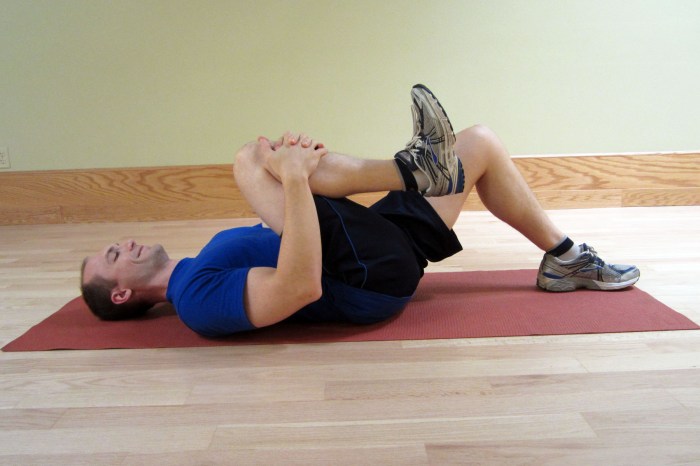
When it comes to improving joint flexibility, addressing pain is crucial to prevent limitations in movement and enhance overall mobility. Pain management techniques play a significant role in complementing physical therapy and promoting better flexibility.
Importance of Pain Management
- Effective pain management strategies can help reduce inflammation in the joints, allowing for increased range of motion.
- By addressing pain, individuals can engage more comfortably in physical therapy exercises aimed at improving flexibility.
- Managing pain can prevent stiffness and discomfort, enabling individuals to maintain an active lifestyle and participate in activities that promote joint health.
Examples of Pain Relief Methods
- Physical therapy modalities such as heat therapy or cold therapy can help alleviate pain and reduce muscle tension, promoting flexibility.
- Nonsteroidal anti-inflammatory drugs (NSAIDs) can be used to manage pain and inflammation in the joints, facilitating better movement.
- Topical analgesic creams or patches provide localized pain relief, allowing individuals to engage in exercises that enhance joint flexibility.
- Mind-body techniques like yoga or meditation can help reduce stress and improve pain tolerance, contributing to better joint mobility.
Holistic Treatments for Comprehensive Joint Care
When it comes to improving joint flexibility, holistic treatments play a vital role in providing comprehensive care for your joints. These alternative therapies can work hand in hand with traditional physical therapy methods to enhance joint health and overall well-being.
By treating the body as a whole, holistic approaches focus on addressing the root causes of joint issues to promote optimal flexibility and mobility.
Acupuncture for Joint Flexibility
Acupuncture, an ancient Chinese healing technique, involves the insertion of thin needles into specific points on the body to stimulate energy flow and promote healing. When used for joint flexibility, acupuncture can help reduce pain and inflammation, improve circulation, and restore balance to the body’s energy pathways.
This holistic approach can complement physical therapy by targeting areas of tension and promoting relaxation in the muscles surrounding the joints.
Massage Therapy for Joint Health
Massage therapy is another holistic treatment that can benefit joint flexibility by reducing muscle tension, increasing blood flow, and promoting relaxation. By targeting specific muscle groups and releasing tightness in the soft tissues, massage therapy can improve range of motion, decrease stiffness, and enhance overall joint function.
Incorporating regular massages into your joint care routine can help prevent injuries, alleviate discomfort, and support long-term flexibility.
Complementary Benefits of Holistic Therapies
When combined with traditional physical therapy, holistic treatments like acupuncture and massage therapy offer a well-rounded approach to joint care. By addressing not only the physical symptoms but also the emotional and energetic aspects of joint health, these alternative therapies can provide comprehensive support for optimal flexibility.
By integrating holistic treatments into your joint care plan, you can experience a more balanced and harmonious approach to improving joint flexibility and overall well-being.
Building Mental Resilience for Joint Flexibility
Mental resilience plays a crucial role in the journey of improving joint flexibility through physical therapy. It involves overcoming challenges, staying motivated, and maintaining a positive mindset throughout the process. By cultivating mental resilience, individuals can better cope with setbacks and obstacles on the path to achieving their flexibility goals.
Strategies for Cultivating a Positive Mindset
- Practice mindfulness and meditation to stay present and focused on your goals.
- Acknowledge and celebrate small victories along the way to maintain motivation.
- Surround yourself with a supportive network of friends, family, or a therapist to help you stay positive.
Techniques for Managing Stress, How to improve joint flexibility with physical therapy
- Incorporate stress-relief practices such as deep breathing exercises or yoga into your daily routine.
- Engage in physical activities you enjoy to release endorphins and reduce stress levels.
- Ensure you get enough rest and prioritize self-care to combat the effects of stress on your mental well-being.
Staying Motivated Throughout the Process
- Set realistic and achievable goals for improving joint flexibility to maintain motivation.
- Reward yourself for reaching milestones in your flexibility journey to stay engaged and committed.
- Visualize your progress and the benefits of enhanced joint flexibility to keep yourself motivated and focused on the end goal.
Final Conclusion
In conclusion, prioritizing joint flexibility through physical therapy can lead to improved overall well-being and quality of life. By incorporating a holistic approach that includes personalized programs and complementary wellness activities, individuals can work towards achieving optimal joint health and flexibility.
User Queries
Can physical therapy help prevent joint injuries?
Yes, physical therapy plays a crucial role in preventing injuries by improving joint flexibility and overall joint health.
How important is consistency in physical therapy for joint flexibility?
Consistency is key in physical therapy to see optimal results in improving joint flexibility. Regular sessions and adherence to the therapy regimen are essential.
Are there specific exercises to target joint flexibility?
Yes, physical therapy includes exercises tailored to enhance joint flexibility, such as stretching techniques and strengthening exercises focused on joints.
Can combining physical therapy with yoga further improve joint flexibility?
Absolutely, integrating activities like yoga with physical therapy can synergistically enhance joint flexibility and overall joint health.