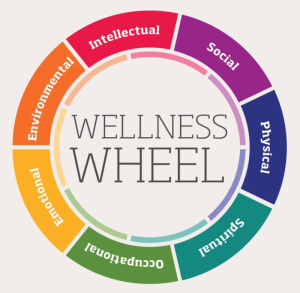
How to establish a morning routine for better health – Tips for a Healthier Start sets the stage for a journey into the realm of well-being and vitality, offering valuable insights and practical advice to kickstart your day on the right note.
In this comprehensive guide, we will delve into the significance of morning routines, the impact of consistency on overall health, and personalized tips to tailor your routine to meet your specific health goals and preferences.
Establishing a Morning Routine for Better Health
Having a consistent morning routine is crucial for maintaining overall health and well-being. It sets the tone for the rest of the day and can significantly impact both physical and mental health.
Importance of a Morning Routine
A morning routine helps in establishing healthy habits that can improve productivity, reduce stress levels, and boost energy throughout the day. It allows for better time management and sets a positive tone for the day ahead.
Consistency in a Morning Routine
- Waking up at the same time every day helps regulate the body’s internal clock, promoting better sleep quality and overall health.
- Including activities like exercise, meditation, or healthy breakfast in your morning routine can improve physical fitness and mental clarity.
- Consistently following a morning routine can reduce anxiety and stress levels, leading to a more balanced and focused mindset.
Tips for Creating a Personalized Morning Routine
- Identify your health goals and priorities to tailor your morning routine accordingly.
- Start with small, achievable steps and gradually incorporate new habits into your routine to avoid feeling overwhelmed.
- Experiment with different activities such as yoga, journaling, or mindfulness practices to find what works best for you.
- Be flexible and open to adjusting your routine as needed to accommodate changes in your schedule or preferences.
Wellness Programs
Wellness programs play a crucial role in promoting a healthy lifestyle by offering guidance, resources, and support to individuals seeking to improve their overall well-being. These programs typically focus on various aspects of health, including physical fitness, nutrition, mental health, and stress management.
Examples of Wellness Programs for Morning Routines
- Yoga and Meditation Classes: Many wellness programs offer early morning yoga and meditation sessions to help individuals start their day with relaxation and mindfulness.
- Nutrition Workshops: Some programs provide nutrition workshops that emphasize the importance of a healthy breakfast and offer tips for preparing nutritious meals in the morning.
- Fitness Challenges: Wellness programs often incorporate fitness challenges that encourage participants to engage in physical activity in the morning, such as running or strength training.
Benefits of Participating in Wellness Programs, How to establish a morning routine for better health
- Improved Physical Health: Engaging in wellness programs can lead to better physical health outcomes, such as increased energy levels, weight management, and reduced risk of chronic diseases.
- Enhanced Mental Well-being: Wellness programs focusing on morning routines can help reduce stress, improve mood, and boost mental clarity throughout the day.
- Community Support: Participating in wellness programs provides a sense of community and social support, which can motivate individuals to stay committed to their health goals.
Herbal Remedies
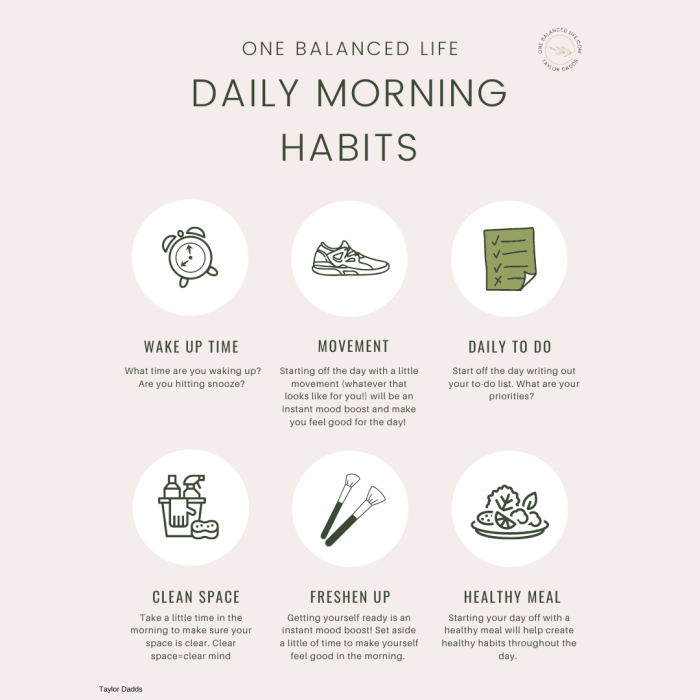
Herbal remedies have been used for centuries to support overall health and wellness. These natural remedies are derived from plants and herbs, offering a holistic approach to maintaining well-being.
Popular Herbal Remedies
There are several popular herbal remedies that can be easily incorporated into your morning routine to promote better health:
- Green Tea: Known for its antioxidant properties, green tea can help boost metabolism and improve brain function. Start your day with a cup of green tea for a healthy dose of caffeine and beneficial nutrients.
- Turmeric: This vibrant yellow spice has anti-inflammatory effects and can help reduce the risk of chronic diseases. Add a pinch of turmeric to your morning smoothie or oatmeal for a nutritional boost.
- Ginger: Ginger is well-known for its digestive benefits and anti-nausea properties. Incorporate fresh ginger in your morning tea or juice for a soothing and invigorating start to your day.
Consulting a Healthcare Professional
Before incorporating herbal remedies into your routine, it is essential to consult a healthcare professional or a qualified herbalist. While herbal remedies are generally safe, they can interact with medications or have adverse effects for certain individuals. Consulting an expert ensures that you are using the right herbs in the correct dosage for optimal health benefits.
Skin Health
Having a consistent morning routine can significantly contribute to maintaining healthy skin. By incorporating skincare practices into your morning regimen, you can improve the overall health and appearance of your skin, which in turn can positively impact your well-being.
Skincare Practices for Better Skin Health
- Start your day by cleansing your face with a gentle cleanser to remove any impurities and excess oil that may have accumulated overnight.
- Follow up with a toner to balance the pH of your skin and prepare it for better absorption of subsequent skincare products.
- Apply a moisturizer with SPF to protect your skin from the harmful effects of UV rays and keep it hydrated throughout the day.
- Incorporate serums or treatments with active ingredients like vitamin C or hyaluronic acid to address specific skin concerns such as hyperpigmentation or fine lines.
- Don’t forget to apply an eye cream to target the delicate skin around your eyes and reduce puffiness or dark circles.
Impact of Proper Skincare on Overall Well-being
Proper skincare not only improves the appearance of your skin but also plays a crucial role in maintaining its health. By taking care of your skin in the morning and following a consistent routine, you can prevent common issues like acne, premature aging, and dryness, which can impact your self-confidence and overall well-being.
Healthy skin can also boost your mood and make you feel more comfortable and confident in your own skin.
Bone Density
Bone density is a crucial component of overall health, especially as we age. It refers to the strength and thickness of our bones, which can affect our risk of fractures and osteoporosis. Maintaining healthy bone density is essential for a strong and resilient skeletal system.
Exercises and Habits to Improve Bone Density
Regular physical activity plays a significant role in improving bone density. Weight-bearing exercises such as walking, jogging, dancing, and strength training can help stimulate bone growth and increase density. Including these exercises in your morning routine can be beneficial for your bone health.
- Start your day with a brisk walk or a gentle jog to engage your bones and muscles.
- Incorporate bodyweight exercises like squats, lunges, and push-ups to strengthen your bones.
- Consider adding resistance training with weights or resistance bands to challenge your bones and promote bone density.
Role of Nutrition in Supporting Healthy Bones
Nutrition also plays a critical role in maintaining healthy bones. Consuming foods rich in calcium, vitamin D, magnesium, and other essential nutrients can support bone health and density. Including these nutrients in your morning routine can help you build and maintain strong bones.
- Ensure you have a balanced breakfast that includes calcium-rich foods like dairy products, leafy greens, and fortified cereals.
- Get plenty of vitamin D from sources like sunlight, fatty fish, eggs, and fortified foods to support calcium absorption.
- Include magnesium-rich foods such as nuts, seeds, whole grains, and dark chocolate to help strengthen bones and maintain bone density.
Muscle Mass
Having a healthy amount of muscle mass is crucial for your metabolism and overall health. Muscles are responsible for burning calories even at rest, which can help with weight management and improve metabolic health.
Exercises and Activities to Maintain Muscle Mass
- Strength training exercises like weight lifting, bodyweight exercises, or resistance band workouts can help maintain and build muscle mass. Aim for a mix of exercises targeting different muscle groups.
- Incorporating activities like yoga, Pilates, or even brisk walking can also help improve muscle tone and strength.
- High-intensity interval training (HIIT) workouts are effective in preserving muscle mass while also boosting cardiovascular health.
Relationship between Muscle Health and Overall Well-being
Strong muscles not only support better metabolism but also play a role in improving balance, posture, and overall functionality. Having adequate muscle mass can reduce the risk of injuries, enhance athletic performance, and contribute to a better quality of life.
Dental Care
Dental care is a crucial aspect of a morning routine that often gets overlooked. Taking care of your oral health in the morning can have a significant impact on your overall well-being.
Importance of Dental Care in a Morning Routine
Starting your day with proper dental hygiene practices can help prevent various oral health issues such as cavities, gum disease, and bad breath. It also sets the tone for maintaining good oral health throughout the day.
- Brushing your teeth for at least two minutes in the morning helps remove plaque and bacteria that have accumulated overnight.
- Flossing daily can prevent cavities and gum disease by removing food particles and plaque between teeth.
- Using mouthwash can help kill bacteria, freshen breath, and protect against gum disease.
Connection Between Oral Health and Overall Health
Oral health is closely linked to overall health, with poor oral hygiene contributing to various systemic conditions such as heart disease, diabetes, and respiratory infections.
- Poor oral health can lead to inflammation in the body, which is associated with an increased risk of heart disease and stroke.
- Gum disease has been linked to diabetes, as the bacteria in the mouth can affect blood sugar control.
- Respiratory infections can worsen with poor oral health, as bacteria from the mouth can be inhaled into the lungs.
Eye Health
Maintaining good eye health is crucial for overall well-being. Our eyes play a vital role in our daily lives, allowing us to see and experience the world around us. It is important to incorporate practices into our morning routine that support healthy eyes and prevent potential issues.
Significance of Eye Health
Our eyes are constantly exposed to environmental factors and digital screens, making them susceptible to strain, dryness, and other issues. Neglecting eye health can lead to discomfort, reduced vision, and even long-term damage. By prioritizing eye care in our morning routine, we can protect our vision and ensure optimal eye health.
Tips for Maintaining Good Eye Health
- Avoid rubbing your eyes, as this can cause irritation and potential damage.
- Take regular breaks from digital screens to reduce eye strain. Follow the 20-20-20 rule: every 20 minutes, look at something 20 feet away for 20 seconds.
- Eat a diet rich in vitamins and nutrients that support eye health, such as leafy greens, fish, and citrus fruits.
- Stay hydrated to prevent dry eyes and maintain optimal eye lubrication.
- Ensure proper lighting when reading or working to reduce eye fatigue.
Impact of Digital Devices on Eye Health
Excessive use of digital devices can contribute to eye strain, dry eyes, and other vision-related issues. The blue light emitted by screens can disrupt our sleep patterns and cause discomfort. To mitigate these risks, consider using blue light filters on your devices, adjusting screen brightness, and practicing the 20-20-20 rule.
Mental Clarity
Mental clarity is crucial for both productivity and overall well-being. When your mind is clear and focused, you are better equipped to handle tasks efficiently and make sound decisions. Additionally, mental clarity can reduce stress and anxiety, leading to improved mental health.
Mindfulness Practices for Enhanced Mental Clarity
Practicing mindfulness in the morning can significantly enhance mental clarity throughout the day. Simple activities such as meditation, deep breathing exercises, and mindful stretching can help calm the mind, increase focus, and promote mental clarity. These practices can also improve cognitive function and memory retention.
- Start your day with a short meditation session to clear your mind and set a positive tone for the day.
- Practice deep breathing exercises to oxygenate the brain and reduce stress levels.
- Engage in mindful stretching to release tension in the body and improve blood circulation to the brain.
Relationship Between Mental Clarity and Overall Health
Mental clarity is closely linked to overall health and well-being. When your mind is clear, you are more likely to engage in healthy behaviors such as exercise, proper nutrition, and adequate rest. This, in turn, can have a positive impact on your physical health, immune system, and longevity.
Joint Flexibility
Maintaining joint flexibility is crucial for overall mobility and physical function. Flexible joints allow for a wider range of motion, reducing the risk of injuries and improving posture.
Stretching Exercises for Improved Joint Flexibility
- Start your morning routine with gentle neck rolls, shoulder stretches, and arm circles to loosen up the upper body.
- Incorporate leg swings, hip rotations, and ankle circles to improve flexibility in the lower body.
- Practice yoga poses like downward dog, child’s pose, and cat-cow stretch to increase flexibility in multiple joints.
- Finish with full-body stretches like a seated forward fold or standing side stretch to target all major joints.
Role of Joint Health in Overall Well-being
Healthy joints are essential for maintaining an active lifestyle and preventing chronic conditions like arthritis. By improving joint flexibility through regular stretching exercises, you can enhance your overall well-being and quality of life.
Digestive Health
Having good digestive health is crucial for overall well-being as it impacts our immune system, nutrient absorption, and even our mental health.
Dietary Habits for Digestive Health in the Morning
Starting your day with the right foods and habits can set the tone for good digestive health:
- Aim to drink a glass of warm water with lemon to stimulate digestion and hydrate your body.
- Incorporate fiber-rich foods like whole grains, fruits, and vegetables to promote regular bowel movements.
- Avoid heavy, greasy foods that can be harder to digest, especially early in the morning.
- Consider adding probiotic-rich foods like yogurt or kefir to support a healthy gut microbiome.
The Gut-Immune Connection
Our gut health plays a significant role in our immune function:
- The gut is home to a large portion of our immune system, known as gut-associated lymphoid tissue (GALT).
- A healthy gut microbiome helps regulate our immune response and can protect against infections and diseases.
- Imbalances in gut bacteria can lead to inflammation and compromise immune function.
Detox Process
Detoxification is a crucial process in maintaining overall health and well-being. It involves eliminating toxins and harmful substances from the body, allowing it to function optimally.
Natural Ways to Support the Body’s Detox Process
There are several natural ways to support the body’s detox process, especially in the morning:
- Start your day with a glass of warm lemon water to kickstart your metabolism and aid in digestion.
- Include detoxifying foods such as leafy greens, beets, and berries in your morning meals.
- Practice dry brushing before showering to stimulate lymphatic flow and exfoliate the skin.
- Engage in a morning workout routine to sweat out toxins and boost circulation.
Benefits of Incorporating Detox Practices into a Morning Routine
By incorporating detox practices into your morning routine, you can experience a wide range of benefits:
- Improved energy levels and mental clarity throughout the day.
- Enhanced immune function and reduced inflammation in the body.
- Support for healthy weight management and metabolism.
- Glowing skin and improved overall complexion.
Blood Pressure
Monitoring blood pressure is crucial for heart health as it helps in identifying any potential issues early on. High blood pressure, also known as hypertension, can strain the heart and blood vessels, increasing the risk of heart disease, stroke, and other serious health conditions.
Maintaining healthy blood pressure levels is essential for overall well-being and longevity.
Maintaining Healthy Blood Pressure Levels
- Avoiding excessive salt intake: Consuming too much salt can lead to high blood pressure. Opt for fresh ingredients and limit processed foods.
- Regular exercise: Physical activity helps in maintaining a healthy weight and keeping blood pressure in check. Aim for at least 30 minutes of exercise daily.
- Healthy diet: Incorporate plenty of fruits, vegetables, whole grains, and lean proteins into your meals. Avoiding saturated fats and sugars can also help in managing blood pressure.
- Stress management: Chronic stress can contribute to high blood pressure. Practice relaxation techniques like deep breathing, meditation, or yoga to reduce stress levels.
Impact of High Blood Pressure on Overall Well-being
High blood pressure can lead to a range of health issues beyond heart disease, including kidney damage, vision problems, and cognitive decline. It can also increase the risk of developing conditions like diabetes and dementia. Monitoring and managing blood pressure levels are essential for maintaining optimal health and preventing serious complications.
Heart Rate
Monitoring heart rate is crucial for cardiovascular health as it provides valuable insights into the overall functioning of the heart.
Importance of Heart Rate Variability
Heart rate variability, the variation in time intervals between heartbeats, is a key indicator of cardiovascular health. Higher heart rate variability is associated with better heart health, lower stress levels, and overall wellbeing.
- Activities such as deep breathing exercises, meditation, and yoga can help improve heart rate variability.
- Regular physical activity, adequate sleep, and stress management techniques also play a significant role in regulating heart rate variability.
Relationship Between Heart Rate and Overall Health
Heart rate is a reflection of how efficiently the heart is functioning and can indicate underlying health conditions or risk factors.
- An elevated resting heart rate may be a sign of poor cardiovascular health, while a low resting heart rate can be a marker of good fitness levels.
- Regular exercise, a healthy diet, and managing stress can help maintain an optimal heart rate and improve overall health.
Health Screenings
Regular health screenings play a vital role in early detection of potential health issues, allowing for timely intervention and treatment. Incorporating these screenings into your morning routine can significantly impact your overall well-being.
Common Health Screenings
- Blood Pressure: Regular monitoring of blood pressure levels can help detect hypertension or hypotension early on.
- Cholesterol Levels: Screening for cholesterol levels can assess your risk for heart disease and stroke.
- Blood Sugar: Checking blood sugar levels can help in early detection of diabetes or prediabetes.
- Body Mass Index (BMI): Measuring your BMI can indicate if you are at a healthy weight or at risk for obesity-related diseases.
- Eye Exam: Regular eye exams can detect vision problems, glaucoma, or other eye conditions.
Impact of Preventive Health Screenings
Early detection through health screenings can lead to prompt treatment, potentially preventing the progression of diseases and improving health outcomes.
Regular health screenings not only help in identifying health issues at an early stage but also provide an opportunity for lifestyle modifications and preventive measures. By incorporating these screenings into your morning routine, you can take proactive steps towards maintaining optimal health and well-being.
Vaccination Programs
In today’s world, vaccination programs play a crucial role in preventing infectious diseases and promoting community health. Vaccinations are designed to stimulate the immune system to produce an immune response, providing protection against specific diseases.
Role of Vaccinations in Preventing Infectious Diseases
Vaccinations are essential in preventing the spread of infectious diseases by creating immunity to specific pathogens. By introducing a weakened or inactive form of a virus or bacteria into the body, vaccines prompt the immune system to produce antibodies. These antibodies help the immune system recognize and fight off the actual infectious agent if the individual is exposed to it in the future.
- Vaccinations have been instrumental in eradicating diseases such as smallpox and significantly reducing the prevalence of others like polio and measles.
- Herd immunity, achieved when a large portion of a community is vaccinated, helps protect vulnerable individuals who cannot be vaccinated due to medical reasons.
- Regular vaccinations have led to a significant decline in the incidence of preventable diseases, saving countless lives worldwide.
Vaccination Programs for Community Health
Vaccination programs are implemented at local, national, and global levels to ensure widespread immunization coverage and protect public health. These programs are often coordinated by healthcare authorities and organizations to provide access to vaccines for individuals of all ages.
| Key Points |
|---|
| Vaccination schedules are designed to target specific age groups and populations based on the risk of exposure to certain diseases. |
| Community outreach initiatives, mobile vaccination clinics, and public awareness campaigns are used to encourage participation in vaccination programs. |
| Collaboration between governments, healthcare providers, and community organizations is essential for the success of vaccination programs. |
Importance of Staying Up-to-Date with Vaccinations
Staying up-to-date with vaccinations is crucial for maintaining overall well-being and preventing the resurgence of vaccine-preventable diseases. Booster shots and regular immunizations help ensure continued protection against infectious agents and contribute to individual and community immunity.
- Children, adolescents, and adults should follow recommended vaccination schedules to maintain immunity and protect themselves and others from diseases.
- Travelers should check vaccination requirements and recommendations for specific destinations to prevent the spread of infectious diseases across borders.
- Annual flu shots and other recommended vaccines help reduce the burden of seasonal illnesses and protect vulnerable populations.
Healthy Habits
Establishing and maintaining healthy habits is crucial for long-term health and overall well-being. These habits not only impact our physical health but also contribute to mental clarity and emotional stability.
Examples of Healthy Habits for a Morning Routine:
- Starting the day with a glass of water to rehydrate the body after hours of sleep.
- Engaging in a few minutes of stretching or light exercise to wake up the muscles and improve circulation.
- Eating a nutritious breakfast that includes whole grains, fruits, and protein to fuel the body for the day ahead.
- Taking time for mindfulness practices such as meditation or deep breathing exercises to reduce stress and improve focus.
- Setting goals and intentions for the day to stay motivated and organized.
Benefits of Consistent Healthy Habits:
Maintaining consistent healthy habits in your morning routine can lead to a wide range of benefits for overall well-being:
- Improved energy levels throughout the day.
- Enhanced mood and emotional resilience.
- Better focus and concentration.
- Boosted metabolism and weight management.
- Reduced risk of chronic diseases such as diabetes and heart disease.
- Enhanced immune function and faster recovery from illnesses.
Balanced Hormones
Having balanced hormones is crucial for the proper functioning of various bodily processes. Hormones play a key role in regulating metabolism, mood, energy levels, reproductive health, and more. When hormones are imbalanced, it can lead to a range of health issues and disrupt the body’s natural equilibrium.
Lifestyle Practices for Hormone Balance in the Morning
- Adequate Sleep: Ensuring you get enough quality sleep each night can help regulate hormone production and balance.
- Healthy Diet: Eating a balanced breakfast with protein, healthy fats, and fiber can support hormone balance throughout the day.
- Regular Exercise: Engaging in physical activity in the morning can help regulate stress hormones and promote overall hormonal health.
- Stress Management: Practicing relaxation techniques like deep breathing or meditation can help reduce cortisol levels and support hormone balance.
- Hydration: Drinking plenty of water in the morning can help support hormone production and overall health.
Impact of Hormonal Imbalances on Overall Health
Hormonal imbalances can have a significant impact on overall health, leading to symptoms such as fatigue, weight gain, mood swings, irregular periods, and more. Chronic hormonal imbalances can increase the risk of conditions like diabetes, thyroid disorders, infertility, and cardiovascular disease.
It is essential to pay attention to hormone balance and address any issues promptly to maintain optimal health and well-being.
Health Coaching
Health coaching plays a crucial role in guiding individuals towards better health outcomes by providing personalized support, accountability, and motivation. Health coaches work with clients to identify their health goals, create action plans, and make sustainable lifestyle changes.
Benefits of Working with a Health Coach to Establish a Morning Routine
- Personalized Guidance: Health coaches can help individuals tailor their morning routines to fit their specific health needs and goals.
- Accountability: Having a health coach provides accountability and motivation to stick to a morning routine, leading to better consistency and results.
- Educational Support: Health coaches offer valuable knowledge and resources to help individuals make informed decisions about their health and wellness.
- Behavioral Change: Health coaches assist in breaking old habits and forming new, healthier habits to improve overall well-being.
- Emotional Support: Health coaches offer emotional support and encouragement throughout the journey towards better health.
How Health Coaching Can Support Individuals in Achieving Their Health Goals
- Setting Realistic Goals: Health coaches help individuals set achievable and realistic health goals that align with their lifestyle and priorities.
- Creating Action Plans: Health coaches work with clients to develop step-by-step action plans to reach their health goals and establish a morning routine that works for them.
- Tracking Progress: Health coaches monitor progress, provide feedback, and make adjustments to ensure individuals stay on track towards achieving their desired health outcomes.
- Building Confidence: Health coaching can boost individuals’ confidence in their ability to make positive changes and take control of their health and wellness.
- Long-term Sustainability: Health coaches focus on sustainable changes that can be maintained over time, leading to long-term health benefits and improved quality of life.
Fitness Goals
Setting fitness goals is crucial for maintaining motivation and tracking progress on your health journey. By establishing clear objectives, you can stay focused, measure your achievements, and push yourself to reach new milestones.
Strategies for Establishing and Achieving Fitness Goals
- Start by defining specific and realistic fitness goals that are measurable and attainable within a certain timeframe.
- Create a morning routine that includes exercise activities aligned with your objectives, such as cardio, strength training, or flexibility exercises.
- Track your progress regularly to monitor improvements and make adjustments to your routine as needed.
- Stay accountable by sharing your goals with a friend, joining a fitness group, or working with a personal trainer for guidance and support.
- Celebrate your achievements along the way to stay motivated and maintain a positive mindset towards your fitness journey.
Impact of Regular Physical Activity on Overall Well-being
Regular physical activity plays a significant role in enhancing overall well-being by improving various aspects of health:
- Boosts cardiovascular health and reduces the risk of heart disease by strengthening the heart muscle and improving blood circulation.
- Enhances mental clarity and cognitive function by releasing endorphins that elevate mood and reduce stress levels.
- Increases muscle mass, bone density, and joint flexibility, promoting better posture, balance, and overall physical strength.
- Aids in weight management by burning calories, improving metabolism, and supporting a healthy body composition.
- Contributes to better sleep quality, energy levels, and immune function by promoting restorative rest and enhancing overall vitality.
Diet Planning: How To Establish A Morning Routine For Better Health
Proper nutrition plays a crucial role in supporting overall health and well-being. A balanced diet not only provides essential nutrients to the body but also helps in maintaining optimal body functions. When it comes to establishing a morning routine for better health, paying attention to diet planning is key.
Importance of Proper Nutrition
Proper nutrition is essential for overall health as it provides the necessary nutrients for the body to function properly. A well-balanced diet can help in maintaining a healthy weight, boosting energy levels, improving mood, and reducing the risk of chronic diseases.
Tips for Meal Planning and Healthy Eating Habits in the Morning
- Start your day with a nutritious breakfast that includes a good balance of protein, carbohydrates, and healthy fats.
- Plan your meals ahead of time to ensure you have healthy options available throughout the day.
- Include a variety of fruits, vegetables, whole grains, lean proteins, and dairy in your diet for a well-rounded nutrition profile.
- Avoid skipping meals, especially breakfast, as it can lead to overeating later in the day.
- Stay hydrated by drinking plenty of water and limit the consumption of sugary beverages.
Relationship Between Diet Quality and Overall Well-being
The quality of your diet can significantly impact your overall well-being. A diet rich in nutrients can help in maintaining a healthy weight, improving immune function, supporting heart health, and enhancing mental clarity. On the other hand, a poor diet high in processed foods, sugar, and unhealthy fats can lead to weight gain, inflammation, fatigue, and an increased risk of chronic diseases.
Health Supplements
Health supplements play a crucial role in filling nutrient gaps that may exist in our diets. Despite our best efforts to eat a balanced diet, we may still fall short of meeting our daily nutrient requirements. Supplements can help bridge this gap and support overall health and well-being.
Common Health Supplements for Morning Routine
- Multivitamins:These supplements contain a combination of essential vitamins and minerals to support overall health.
- Omega-3 Fatty Acids:Omega-3 supplements can help support heart health, brain function, and reduce inflammation in the body.
- Vitamin D:Especially important for bone health and immune function, as many people have low levels of vitamin D.
- Probiotics:These supplements promote gut health and support digestion and immune function.
- Iron:Iron supplements may be necessary for individuals with iron deficiency anemia, especially for women of childbearing age.
Consulting a Healthcare Provider Before Taking Supplements
It is important to consult a healthcare provider before adding any new supplements to your routine, especially if you have underlying health conditions or are taking medications. A healthcare provider can help determine the right supplements for your individual needs and ensure they do not interact negatively with any existing treatments.
Breathing Techniques
Breathing techniques are an essential component of a morning routine as they can have a significant impact on both mental and physical well-being. Incorporating these practices can promote relaxation, reduce stress levels, and improve overall health.
Benefits of Breathing Techniques
- Improves oxygen flow in the body, leading to increased energy levels and mental clarity.
- Reduces stress and anxiety by activating the parasympathetic nervous system, promoting a sense of calm.
- Enhances concentration and focus by regulating breathing patterns and oxygenating the brain.
- Aids in detoxification by facilitating the removal of toxins through deep breathing exercises.
Different Breathing Exercises
- Deep Breathing:Inhale deeply through your nose, expanding your diaphragm, hold for a few seconds, and exhale slowly through your mouth.
- 4-7-8 Technique:Inhale for a count of 4, hold for 7, and exhale for 8, repeating for several cycles.
- Alternate Nostril Breathing:Close one nostril with your thumb, inhale through the other nostril, then switch and exhale through the opposite nostril.
Impact of Proper Breathing
Proper breathing techniques not only have a calming effect on the mind but also contribute to physical health in various ways. By ensuring adequate oxygen intake and reducing stress levels, individuals may experience improved cardiovascular function, reduced inflammation, and better immune response.
Incorporating these practices into a morning routine can set a positive tone for the day ahead, promoting overall well-being and vitality.
Disease Prevention
Maintaining a healthy lifestyle is crucial in preventing various diseases and promoting overall well-being. By incorporating preventive measures into your morning routine, you can significantly reduce the risk of developing chronic conditions and enhance your quality of life.
Importance of Disease Prevention
Prevention is always better than cure, and when it comes to health, this statement holds true. By making healthy choices and engaging in preventive measures, individuals can lower their chances of developing serious illnesses, such as heart disease, diabetes, cancer, and more.
Disease prevention not only saves lives but also reduces healthcare costs and burdens on the healthcare system.
Preventive Measures in Morning Routine
- Start your day with a nutritious breakfast to fuel your body with essential nutrients.
- Include physical activity in your morning routine, such as stretching, yoga, or a quick workout, to boost metabolism and enhance overall health.
- Stay hydrated by drinking plenty of water throughout the day to support organ function and promote detoxification.
- Practice good hygiene, such as brushing and flossing your teeth, to prevent oral health issues.
- Get an adequate amount of sleep to allow your body to rest and repair, reducing the risk of various health conditions.
Impact of Disease Prevention
Engaging in disease prevention not only helps in avoiding illness but also has a positive impact on overall well-being. By taking proactive steps to maintain good health, individuals can enjoy a better quality of life, increased energy levels, improved mood, and reduced stress.
Disease prevention sets the foundation for a long and healthy life, promoting longevity and vitality.
Pain Management
Pain management is crucial for maintaining a good quality of life and overall well-being. By implementing certain lifestyle modifications and techniques, you can effectively address common aches and pains, especially in the morning when they tend to be more pronounced.
Let’s explore some strategies for managing pain and the impact it can have on your daily life.
Strategies for Managing Pain
- Stay Active: Regular exercise can help reduce pain by strengthening muscles and improving flexibility.
- Healthy Diet: Eating a well-balanced diet rich in anti-inflammatory foods can help reduce pain and inflammation in the body.
- Proper Posture: Maintaining good posture while sitting, standing, and moving can prevent and alleviate pain.
- Stress Management: High stress levels can exacerbate pain, so practicing relaxation techniques like mindfulness and deep breathing can help manage pain.
Addressing Common Aches and Pains in the Morning
- Stretching: Incorporating gentle stretching exercises in your morning routine can help loosen tight muscles and reduce morning stiffness.
- Warm Shower: Taking a warm shower in the morning can help relax muscles and ease joint pain.
- Applying Heat or Cold: Using hot or cold packs on areas of pain can provide relief and reduce inflammation.
- Massage: Gentle self-massage or using a foam roller can help alleviate muscle tension and pain.
Impact of Effective Pain Management
- Improved Quality of Life: Managing pain effectively can lead to better physical function, mobility, and overall well-being.
- Enhanced Mental Health: Reduced pain can contribute to lower stress levels and improved mental health.
- Increased Productivity: By addressing pain, you can focus better on daily tasks and activities, leading to increased productivity.
- Better Sleep: Managing pain can result in improved sleep quality, as pain often interferes with restful sleep.
Holistic Treatments
Holistic treatments focus on treating the whole person, including physical, mental, emotional, and spiritual aspects, rather than just targeting specific symptoms or conditions. By addressing the root cause of health issues and promoting overall well-being, holistic therapies aim to achieve balance and harmony within the body.
Examples of Holistic Therapies
- Acupuncture: This ancient Chinese therapy involves the insertion of thin needles into specific points on the body to promote energy flow and relieve pain.
- Herbal Medicine: Using natural herbs and plants to support the body’s healing process and address various health concerns.
- Yoga: Combining physical postures, breathing techniques, and meditation to improve flexibility, reduce stress, and enhance overall health.
- Meditation: A practice that focuses on calming the mind, reducing stress, and increasing self-awareness for better mental and emotional health.
- Massage Therapy: Manipulating soft tissues to improve circulation, reduce muscle tension, and promote relaxation and healing.
Benefits of Integrating Holistic Approaches
- Promotes overall well-being: Holistic treatments address multiple aspects of health, leading to a more balanced and harmonious state of being.
- Reduces reliance on medication: By focusing on natural and non-invasive therapies, holistic approaches can help minimize the use of pharmaceutical drugs.
- Enhances quality of life: Holistic treatments not only target physical symptoms but also improve mental, emotional, and spiritual health, resulting in a better quality of life.
- Supports conventional medicine: Integrating holistic therapies with conventional healthcare practices can provide a more comprehensive and effective approach to managing health conditions.
- Promotes self-care and empowerment: Holistic treatments empower individuals to take an active role in their health and well-being through lifestyle changes and self-care practices.
Mental Resilience
Developing mental resilience is crucial in facing life’s challenges with a positive outlook and the ability to bounce back from setbacks. It plays a significant role in maintaining overall well-being and managing stress effectively.
Practices to Enhance Mental Resilience in Your Morning Routine
- Practice Mindfulness: Start your day with a few minutes of mindfulness meditation to center yourself and focus on the present moment. This can help reduce stress and improve mental clarity.
- Set Intentions: Establish clear intentions for the day ahead, outlining your goals and priorities. This can provide a sense of direction and purpose, increasing your resilience in facing challenges.
- Physical Exercise: Incorporate physical activity into your morning routine, as exercise has been shown to boost mood, reduce anxiety, and enhance resilience to stress.
- Gratitude Journaling: Take a moment each morning to write down things you are grateful for. Practicing gratitude can shift your focus to the positive aspects of life, improving resilience and overall well-being.
The Relationship Between Mental Strength and Overall Well-being
Mental strength is closely linked to overall well-being, as it influences how individuals perceive and respond to stress, adversity, and daily challenges. Those with greater mental resilience are better equipped to cope with life’s ups and downs, leading to improved emotional health, enhanced problem-solving skills, and a more positive outlook on life.
Closing Notes
Embark on your wellness journey with the knowledge gained from How to establish a morning routine for better health – Tips for a Healthier Start, and witness the positive changes in your health and well-being as you cultivate a morning routine that works best for you.
Top FAQs
How can I make my morning routine more personalized?
To personalize your morning routine, consider your health goals and preferences, and tailor activities such as exercise, meditation, or healthy breakfast choices to align with your needs.
What is the importance of consistency in a morning routine?
Consistency in a morning routine helps establish healthy habits, boosts overall well-being, and sets a positive tone for the rest of the day.
Are there any specific exercises to improve muscle mass in the morning?
Engaging in activities like weight training, bodyweight exercises, or yoga can help maintain or build muscle mass as part of your morning routine.
How can I support my digestive health in the morning?
Support digestive health by consuming fiber-rich foods, staying hydrated, and practicing mindful eating habits in the morning.
Is it necessary to consult a healthcare professional before taking health supplements?
Consulting a healthcare provider before taking health supplements is crucial to ensure they are safe, effective, and suitable for your individual health needs.