
Benefits of deep breathing exercises for heart rate reduction is a topic that delves into the powerful impact of mindfulness on our physical well-being. By exploring various aspects such as wellness programs, herbal remedies, and even dental care, this discussion sheds light on how simple breathing techniques can lead to significant improvements in our overall health.
Deep breathing is not just about taking a breath; it’s about taking control of our bodies and minds to achieve a state of balance and tranquility. Let’s dive into the world of deep breathing exercises and discover their transformative effects on heart rate and beyond.
Benefits of Deep Breathing Exercises for Heart Rate Reduction
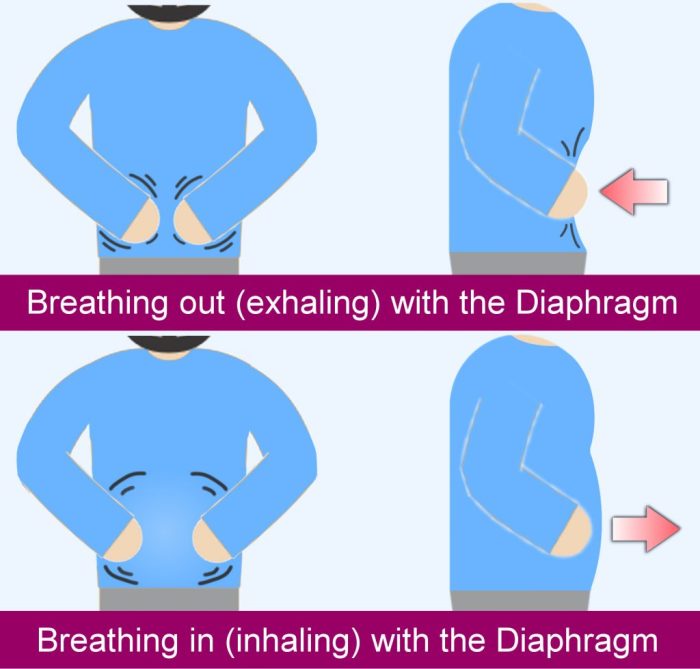
Deep breathing exercises have been shown to be effective in reducing heart rate and promoting relaxation. By engaging in slow, deep breaths, individuals can activate the body’s relaxation response, leading to a decrease in heart rate and overall stress levels.
Specific Deep Breathing Techniques
- Diaphragmatic Breathing: This technique involves breathing deeply into the diaphragm, allowing the belly to rise with each inhale and fall with each exhale. It helps to slow down the heart rate and promote a sense of calm.
- 4-7-8 Breathing: With this technique, individuals inhale for a count of 4, hold their breath for a count of 7, and exhale for a count of 8. This pattern can help regulate heart rate and reduce anxiety.
- Box Breathing: Involves inhaling for a count of 4, holding the breath for 4 counts, exhaling for 4 counts, and then holding the breath again for 4 counts. This rhythmic breathing pattern can aid in lowering heart rate and inducing relaxation.
Physiological Mechanisms Behind Deep Breathing
Deep breathing activates the parasympathetic nervous system, also known as the “rest and digest” system. This stimulation leads to a decrease in heart rate, blood pressure, and overall stress levels. By focusing on slow, intentional breaths, individuals can counteract the effects of the sympathetic nervous system, which is responsible for the body’s “fight or flight” response.
Real-life Anecdotes and Case Studies
“I started incorporating deep breathing exercises into my daily routine and noticed a significant improvement in my heart rate variability. I felt more at ease and less anxious throughout the day.”
Sarah, 35
A study conducted on individuals with hypertension showed that regular deep breathing exercises led to a decrease in heart rate and blood pressure, ultimately improving overall cardiovascular health.
Wellness Programs
Wellness programs play a crucial role in promoting overall health and well-being by focusing on preventive measures and holistic approaches to health. These programs aim to improve physical, mental, and emotional well-being through various interventions and strategies.
Incorporating Deep Breathing Exercises
Integrating deep breathing exercises into wellness programs can significantly enhance their effectiveness in reducing stress and improving overall health. Deep breathing techniques help activate the body’s relaxation response, lower heart rate, and reduce anxiety levels, leading to a sense of calm and well-being.
Components of Comprehensive Wellness Programs
- Physical activity and exercise routines tailored to individual needs
- Nutritional guidance and support for healthy eating habits
- Mental health resources, such as counseling and stress management techniques
- Health screenings and preventive care services
- Wellness education and workshops on various health topics
Types of Wellness Programs with Stress Reduction Techniques
There are different types of wellness programs that prioritize stress reduction techniques like deep breathing. These programs may include:
- Corporate Wellness Programs:Offered by employers to improve employee health and productivity, often include stress management workshops and relaxation techniques.
- Community Wellness Programs:Organized by local organizations or health centers to promote well-being in the community, may incorporate group meditation sessions and deep breathing exercises.
- Online Wellness Programs:Virtual platforms that provide resources and guidance on stress reduction techniques, including deep breathing exercises, accessible to individuals from anywhere.
Herbal Remedies
When used in conjunction with deep breathing exercises, certain herbal remedies can enhance the calming effects on the nervous system and heart rate, promoting overall wellness and stress reduction.
Specific Herbs for Heart Rate Reduction
- Lemon Balm:Known for its soothing properties, lemon balm can help reduce anxiety and promote relaxation, ultimately lowering heart rate.
- Lavender:Widely recognized for its calming effects, lavender can be consumed in tea form or used in aromatherapy to reduce stress and heart rate.
- Chamomile:Chamomile tea is a popular remedy for relaxation and can help lower heart rate by calming the nervous system.
Preparing Herbal Remedies
One simple way to incorporate herbal remedies into your wellness routine is by brewing herbal teas. To make a calming herbal tea blend, combine dried lemon balm, lavender, and chamomile in hot water. Let it steep for a few minutes before straining and enjoying the soothing beverage.
Consulting Healthcare Provider
It is crucial to consult with a healthcare provider before incorporating herbal remedies into your routine, especially if you have any underlying health conditions or are taking medications. They can provide guidance on the appropriate dosage and potential interactions with other treatments.
Skin Health
Breathing exercises have a significant impact on skin health, as they help reduce stress levels which can contribute to various skin conditions. The connection between stress, heart rate, and skin conditions is well-documented, with increased stress levels leading to inflammation, acne breakouts, and premature aging.
Improved Blood Circulation
Deep breathing techniques promote better blood circulation, ensuring that oxygen and essential nutrients reach the skin cells more effectively. This can result in a healthy glow, improved skin tone, and faster healing of blemishes.
Reduced Inflammation
Stress is known to trigger inflammation in the body, which can manifest as redness, irritation, and flare-ups on the skin. By practicing deep breathing exercises regularly, individuals can lower their stress levels and reduce inflammation, leading to calmer and clearer skin.
Enhanced Detoxification
Deep breathing helps the body eliminate toxins and waste more efficiently, which can purify the skin from within. By incorporating deep breathing techniques into their skincare routines, individuals can support the body’s natural detox processes and achieve a clearer complexion.
Mindfulness and Stress Reduction
Mindfulness plays a crucial role in promoting skin health by reducing stress levels and promoting relaxation. By practicing mindfulness alongside deep breathing exercises, individuals can create a holistic approach to skincare that addresses both the internal and external factors affecting skin health.
Bone Density
Deep breathing exercises not only help in reducing heart rate but also play a significant role in maintaining bone density. Stress management techniques like deep breathing can positively impact bone health by reducing the levels of cortisol, a hormone that can lead to bone density loss when present in high amounts.
Importance of Weight-Bearing Exercises
- Weight-bearing exercises, when combined with deep breathing, are crucial for improving bone density as they stimulate bone growth and strength.
- Activities like walking, running, dancing, or weight lifting can help in maintaining and increasing bone density when practiced regularly along with deep breathing exercises.
Scientific Evidence
Studies have shown that stress reduction techniques, including deep breathing exercises, can have a positive impact on bone density by reducing the levels of cortisol in the body and promoting overall bone health.
Muscle Mass
Deep breathing exercises can have a significant impact on muscle mass and heart rate regulation. By reducing stress levels, deep breathing can help promote muscle growth and aid in faster recovery after intense workouts. Athletes can benefit from incorporating specific breathing techniques into their training routines to maintain muscle mass and optimize performance.
Effects on Muscle Growth and Recovery
Deep breathing exercises help reduce cortisol levels, which is a stress hormone that can impede muscle growth and recovery. By calming the nervous system and promoting relaxation, deep breathing can create an optimal environment for muscle repair and growth.
Breathing Techniques for Athletes
- Diaphragmatic Breathing: Focus on breathing deeply into the diaphragm to maximize oxygen intake and improve circulation, which can enhance muscle function and recovery.
- Box Breathing: Inhale for a count of four, hold for four, exhale for four, and hold for four. This technique can help athletes regulate their breathing during intense workouts and promote muscle endurance.
- Alternate Nostril Breathing: This technique can balance the body’s energy and improve focus, which is essential for athletes looking to maintain muscle mass and perform at their best.
Incorporating Deep Breathing into Strength Training
Experts recommend incorporating deep breathing into strength training routines to enhance muscle development. By focusing on controlled breathing during lifts and exercises, athletes can improve their mind-muscle connection, optimize oxygen delivery to muscles, and increase overall performance.
Dental Care
Stress levels can have a significant impact on both heart rate and oral health. High stress levels can lead to an increase in heart rate, which in turn can affect oral health by contributing to inflammation, gum disease, and other dental issues.
Deep breathing exercises play a crucial role in reducing stress levels, promoting relaxation, and decreasing inflammation throughout the body. By incorporating mindful breathing practices into daily oral hygiene routines, individuals can effectively manage stress and support their dental care efforts.
Connection between Stress, Heart Rate, and Oral Health
- Chronic stress can lead to an increase in heart rate, which can negatively impact oral health by contributing to inflammation and gum disease.
- High stress levels may result in poor oral hygiene habits, such as neglecting regular brushing and flossing, which can further exacerbate dental issues.
- Stress-induced teeth grinding or clenching can also cause damage to the teeth and jaw, leading to additional oral health problems.
Benefits of Deep Breathing Exercises for Dental Care
- Deep breathing exercises help reduce stress levels, promote relaxation, and decrease inflammation in the body, which can benefit overall oral health.
- By incorporating mindful breathing practices into daily oral hygiene routines, individuals can manage stress and support their dental care efforts effectively.
- Relaxation techniques such as deep breathing can help prevent stress-related oral health issues and maintain oral well-being.
Role of Relaxation Techniques in Maintaining Oral Well-Being
- Chronic stress can have a detrimental impact on dental health, leading to inflammation, gum disease, and other oral issues.
- Relaxation techniques, including deep breathing exercises, can help individuals manage stress levels and prevent stress-related dental problems.
- Incorporating relaxation practices into daily oral hygiene routines can promote overall oral well-being and support long-term dental health.
Eye Health
Deep breathing exercises not only benefit heart rate reduction but also play a significant role in maintaining good eye health. The eyes are sensitive organs that are susceptible to strain and stress, which can affect vision and overall eye health.
By incorporating relaxation techniques such as deep breathing, individuals can help reduce eye strain and improve their vision health.
Benefits of Deep Breathing for Eye Health
- Deep breathing exercises can help reduce stress levels, which in turn can alleviate eye strain caused by prolonged screen time or intense visual focus.
- Improving circulation through deep breathing can enhance blood flow to the eyes, promoting better oxygenation and nourishment for optimal eye health.
- By combining eye relaxation exercises with deep breathing techniques, individuals can relieve tension in the eye muscles and prevent fatigue, leading to improved focus and visual acuity.
- Practicing mindfulness alongside deep breathing can enhance awareness of eye strain triggers, allowing individuals to take proactive steps in reducing strain and maintaining healthy vision.
Mental Clarity
Breathing exercises play a crucial role in enhancing mental clarity and managing heart rate. By incorporating deep breathing practices into your routine, you can experience cognitive benefits that result from stress reduction and increased focus.
Impact on Cognitive Function, Benefits of deep breathing exercises for heart rate reduction
- Deep breathing exercises help calm the mind and reduce anxiety, which can lead to improved concentration and mental acuity.
- Regulating your breath can enhance oxygen flow to the brain, promoting clarity of thought and better decision-making skills.
- Reducing stress through deep breathing techniques can also boost memory retention and overall cognitive function.
Effective Breathing Exercises
- One effective exercise is diaphragmatic breathing, where you focus on breathing deeply into your diaphragm rather than shallow chest breaths.
- Another technique is the 4-7-8 breathing method, where you inhale for 4 seconds, hold for 7 seconds, and exhale for 8 seconds, promoting relaxation and mental clarity.
- Mindful breathing, where you focus on each breath and stay present in the moment, can also improve concentration and reduce mental distractions.
Personal Experiences
After incorporating deep breathing exercises into my daily routine, I noticed a significant improvement in my ability to focus and stay alert throughout the day. The reduction in stress levels has allowed me to approach tasks with a clear mind and increased mental clarity.
Through consistent practice of breathing techniques, I have seen a positive impact on my cognitive function, leading to better decision-making and enhanced problem-solving skills.
Joint Flexibility
Deep breathing exercises play a crucial role in promoting joint flexibility and reducing heart rate. By incorporating deep breathing techniques into your routine, you can improve circulation, relax muscles, and decrease overall tension in the body, which can lead to increased flexibility in the joints.
Benefits of Stress Reduction for Joint Health
- Reducing stress levels through deep breathing exercises can help alleviate tension in the muscles surrounding the joints, promoting better mobility and flexibility.
- Stress reduction techniques can also lower inflammation in the body, which is beneficial for joint health and can help prevent conditions like arthritis.
- By practicing relaxation methods such as deep breathing, you can improve your overall sense of well-being, leading to better joint health and reduced risk of stiffness or discomfort.
Combining Deep Breathing with Stretching for Improved Joint Flexibility
- Begin by taking slow, deep breaths in through your nose, allowing your belly to expand as you inhale.
- As you exhale slowly through your mouth, gently stretch the muscles around the joints, focusing on areas that feel tight or restricted.
- Repeat this process for a few minutes, gradually increasing the intensity of the stretches as you become more comfortable with the deep breathing technique.
Importance of Relaxation for Healthy Joints
- Relaxation is essential for maintaining healthy joints as it helps to release tension in the muscles and reduce stress on the connective tissues.
- Regular practice of relaxation techniques, such as deep breathing, can improve circulation to the joints, allowing for better nutrient delivery and waste removal.
- By incorporating relaxation into your daily routine, you can prevent stiffness in the joints, improve flexibility, and support overall joint health and mobility.
Digestive Health
Stress can have a significant impact on digestive health and heart rate. When stressed, the body releases hormones that can disrupt the digestive process, leading to issues such as indigestion, bloating, and even more serious conditions like irritable bowel syndrome.Deep breathing exercises play a crucial role in supporting digestive function by reducing stress levels and promoting relaxation.
By engaging in deep breathing, individuals can activate the parasympathetic nervous system, which helps the body rest and digest effectively.
Breathing Techniques for Digestive Health
- Diaphragmatic Breathing: This technique involves breathing deeply by expanding the diaphragm, allowing for better oxygen flow and relaxation of the abdominal muscles for improved digestion.
- Equal Breathing: Inhaling and exhaling for an equal count can help regulate the digestive process and reduce stress levels, promoting overall gut health.
- Abdominal Breathing: Focusing on breathing deeply into the abdomen can stimulate the vagus nerve, which plays a key role in digestion and gut health.
The mind-body connection is essential in maintaining a healthy gut, as stress and emotional well-being directly impact digestive function. Deep breathing serves as a powerful tool in this relationship, allowing individuals to calm their minds and bodies, leading to improved digestion and overall well-being.
Detox Process
Deep breathing exercises can play a crucial role in aiding the body’s natural detoxification processes and regulating heart rate. These exercises help reduce stress, which in turn supports the body’s detoxification pathways by promoting relaxation and enhancing overall well-being.
Benefits of Deep Breathing for Detoxification
- Deep breathing techniques help oxygenate the body, promoting the release of carbon dioxide and other toxins through the lungs.
- By reducing stress levels, deep breathing can support the liver in its detoxification functions, leading to improved overall detox processes.
- Incorporating deep breathing exercises into a detox routine can enhance the body’s ability to eliminate toxins, promoting better health and vitality.
Blood Pressure: Benefits Of Deep Breathing Exercises For Heart Rate Reduction
Deep breathing exercises play a crucial role in regulating heart rate, which in turn affects blood pressure. When we engage in slow, deep breathing practices, it can lead to a reduction in heart rate, promoting cardiovascular health and ultimately helping to lower blood pressure levels.
Relationship between Deep Breathing, Heart Rate, and Blood Pressure
- Deep breathing exercises help activate the parasympathetic nervous system, which is responsible for calming the body and reducing stress levels. This, in turn, can lead to a decrease in heart rate and subsequently lower blood pressure.
- By practicing slow, deep breathing regularly, individuals can improve their overall cardiovascular health, as high blood pressure is a major risk factor for heart disease and other related conditions.
Long-term Benefits of Deep Breathing for Blood Pressure Management
- Regular deep breathing exercises can lead to long-term benefits in managing blood pressure levels, reducing the risk of hypertension and related complications.
- Individuals who incorporate deep breathing practices into their daily routine may experience improved blood pressure control over time, contributing to better overall health and well-being.
Scientific Evidence Supporting Deep Breathing for High Blood Pressure
- A study published in the Journal of Human Hypertension found that deep breathing techniques, such as diaphragmatic breathing, can significantly lower blood pressure in individuals with hypertension.
- Research has shown that deep breathing can help reduce the activity of the sympathetic nervous system, which is responsible for increasing heart rate and blood pressure, further supporting its effectiveness in managing hypertension.
Health Screenings
Regular health screenings are crucial in monitoring heart rate and overall well-being. These screenings help detect any potential health issues early on, allowing for timely intervention and treatment. Deep breathing exercises can complement health screenings by promoting relaxation and reducing stress levels, which can have a positive impact on heart rate and overall health.
Importance of Health Screenings
Health screenings play a vital role in preventive healthcare by identifying risk factors and early signs of diseases. By incorporating deep breathing exercises into your routine, you can prepare for health screenings more effectively. Mindful breathing techniques can help calm the mind, reduce anxiety, and improve overall well-being, which can contribute to more accurate screening results.
Early Detection and Preventive Healthcare
Early detection through health screenings is key to preventing serious health conditions. By practicing deep breathing exercises regularly, individuals can potentially lower their risk of developing certain health issues. Incorporating deep breathing into routine screenings can also help individuals manage their stress levels and improve their overall health outcomes.
Vaccination Programs
In today’s world, vaccination programs play a crucial role in preventing the spread of infectious diseases and protecting public health. However, the effectiveness of these programs can be influenced by various factors, including stress levels and immune response. Let’s explore how stress reduction techniques like deep breathing can impact the efficacy of vaccination programs.
Connection between Stress, Heart Rate, and Vaccination Efficacy
Stress is known to increase heart rate and suppress the immune system, which can potentially reduce the body’s ability to mount a strong response to vaccines. High stress levels have been linked to decreased antibody production following vaccination, leading to lower immunity levels.
By managing stress through techniques such as deep breathing, individuals may be able to improve their immune response to vaccines.
Role of Relaxation in Supporting Immune System during Vaccination
Relaxation plays a vital role in supporting the body’s immune system, especially during vaccination. When the body is in a relaxed state, it can better allocate resources towards mounting an effective immune response to the vaccine. Deep breathing techniques can help induce a state of relaxation, thereby enhancing the body’s ability to generate a robust immune reaction to the vaccine.
Benefits of Combining Deep Breathing with Vaccination Programs
Combining deep breathing practices with vaccination programs can offer several potential benefits for improved immunity. By reducing stress levels and promoting relaxation, individuals may experience enhanced immune responses to vaccines, leading to better protection against infectious diseases. This holistic approach to vaccination can help optimize the effectiveness of vaccines and contribute to overall public health outcomes.
Healthy Habits
Incorporating deep breathing exercises into daily routines can significantly promote healthy habits by reducing stress levels and improving overall well-being. When stress is managed effectively through practices like deep breathing, individuals are more likely to make healthier lifestyle choices and stick to them in the long run.
Impact of Stress Reduction on Healthy Lifestyle Choices
- Reduced stress levels can lead to better decision-making when it comes to diet, exercise, and sleep patterns.
- Managing stress through deep breathing can help prevent emotional eating and unhealthy coping mechanisms.
- Individuals are more likely to engage in physical activities and prioritize self-care when stress is minimized.
Examples of Healthy Habits Enhanced by Deep Breathing
- Regular exercise routines become more enjoyable and sustainable with reduced stress levels from deep breathing practices.
- Maintaining a balanced and nutritious diet is easier when stress-induced cravings are minimized through mindful breathing.
- Getting an adequate amount of quality sleep is achievable with a calm mind and relaxed body from deep breathing exercises.
Tips for Creating a Wellness Routine with Mindful Breathing
- Start each day with a few minutes of deep breathing to set a positive tone for the day ahead.
- Incorporate deep breathing exercises into your workout routine to enhance relaxation and focus.
- Practice mindful breathing before meals to promote mindful eating and better digestion.
- Set aside dedicated time for deep breathing before bedtime to improve sleep quality and overall restfulness.
Balanced Hormones
Breathing exercises not only help reduce heart rate but also play a crucial role in promoting balanced hormones. Let’s delve into how deep breathing techniques can support hormonal equilibrium by reducing stress and promoting overall well-being.
Connection between Stress, Heart Rate, and Hormonal Balance
When stress levels are high, the body releases cortisol, also known as the stress hormone, which can negatively impact heart rate and hormonal balance. By engaging in deep breathing exercises, individuals can lower their stress levels, leading to a decrease in cortisol production and subsequently promoting hormonal balance.
Role of Relaxation Techniques in Promoting Balanced Hormones
Relaxation techniques, including deep breathing exercises, have been shown to activate the parasympathetic nervous system, also known as the rest and digest system. This activation helps the body relax, reduce stress, and support hormonal equilibrium. By incorporating these relaxation techniques into daily routines, individuals can experience improved hormonal balance.
Specific Breathing Techniques for Hormone Regulation
- Diaphragmatic Breathing: This technique involves breathing deeply into the diaphragm, which can help reduce cortisol levels and promote hormonal balance.
- Alternate Nostril Breathing: By alternating breathing through each nostril, individuals can balance the right and left hemispheres of the brain, leading to improved hormone regulation.
- 4-7-8 Breathing: With this technique, individuals inhale for a count of 4, hold their breath for a count of 7, and exhale for a count of 8. This pattern has been shown to reduce stress and support hormonal balance.
Health Coaching
Health coaches play a crucial role in guiding individuals on how to incorporate deep breathing exercises for heart rate reduction into their daily routine. They provide personalized support and motivation to help individuals achieve optimal health outcomes.
Benefits of Working with a Health Coach
- Health coaches help individuals develop personalized wellness plans that include deep breathing techniques tailored to their specific needs and goals.
- They offer ongoing support and accountability, ensuring that individuals stay committed to their deep breathing practice for long-term health benefits.
- Health coaches provide education and guidance on the correct breathing techniques to maximize the benefits of reducing heart rate and promoting overall well-being.
Examples of Health Coaching Support
- A health coach may work with an individual to create a daily deep breathing routine to reduce stress and improve heart health.
- They can help clients set achievable goals for incorporating deep breathing exercises into their daily life and track their progress over time.
- Health coaches offer emotional support and encouragement to individuals struggling to maintain a consistent deep breathing practice, helping them overcome obstacles and stay motivated.
Impact of Ongoing Support and Accountability
- Consistent support from a health coach can significantly improve an individual’s adherence to deep breathing exercises, leading to better heart rate control and overall health.
- Having someone to hold them accountable can help individuals stay on track with their wellness goals and make positive lifestyle changes for long-lasting health benefits.
- Health coaching provides a holistic approach to health and well-being, addressing not only physical but also emotional and mental aspects of an individual’s health journey.
Fitness Goals
Deep breathing exercises play a crucial role in complementing fitness goals and managing heart rate effectively. By incorporating mindful breathing practices into your workout routine, you can enhance your overall performance and aid in faster recovery.
Benefits of Deep Breathing for Fitness
- Improved oxygen flow: Deep breathing helps increase oxygen supply to your muscles, enhancing endurance and stamina during workouts.
- Stress reduction: By focusing on your breath, you can lower stress levels, which can positively impact your ability to achieve fitness milestones.
- Enhanced focus: Mindful breathing techniques can improve concentration and mental clarity, allowing you to stay focused on your fitness goals.
- Better recovery: Deep breathing promotes relaxation and reduces muscle tension, aiding in quicker recovery post-exercise.
Incorporating Deep Breathing into Workouts
- Start with deep belly breaths before beginning your workout to prepare your body for physical exertion.
- Practice rhythmic breathing during cardio exercises to maintain a steady heart rate and optimize oxygen intake.
- Integrate deep breathing exercises into your cool-down routine to promote relaxation and aid in muscle recovery.
Success Stories
“After incorporating deep breathing into my workout routine, I noticed a significant improvement in my endurance and overall performance. I was able to achieve my fitness goals faster and recover more efficiently after intense sessions.”
Sarah, Fitness Enthusiast
Diet Planning
Breathing exercises play a crucial role in managing stress, heart rate, and overall well-being. When it comes to diet planning, deep breathing can significantly impact our dietary choices and eating habits. Let’s delve deeper into how incorporating deep breathing exercises can support healthy eating and mindfulness in meal preparation.
Connection between Deep Breathing and Healthy Eating
- Deep breathing helps reduce stress levels, which can lead to emotional eating and unhealthy food choices.
- By practicing deep breathing techniques, individuals can cultivate mindfulness and make more conscious decisions about what they eat.
- Improved stress management through deep breathing can lead to better digestion and nutrient absorption, enhancing overall health.
Guidance on Incorporating Deep Breathing into Meal Planning
- Before meal preparation, take a few minutes to practice deep breathing to calm the mind and body.
- Focus on your breath while cooking, which can help you stay present and make healthier choices in the kitchen.
- Use deep breathing as a tool to prevent overeating and promote mindful eating habits during meals.
Link between Stress Reduction, Deep Breathing, and Improved Nutrition
- Reducing stress levels through deep breathing can positively impact food cravings and emotional eating patterns.
- Deep breathing can enhance the body’s ability to absorb nutrients from food, leading to better overall nutrition.
- By incorporating deep breathing into daily routines, individuals can create a more balanced relationship with food and improve their overall well-being.
Health Supplements
Health supplements play a crucial role in conjunction with deep breathing exercises for heart rate reduction. When combined with a healthy lifestyle, including regular exercise and proper nutrition, supplements can further support overall well-being.
Role of Health Supplements in Heart Rate Reduction
- Supplements that contain ingredients like magnesium, Coenzyme Q10, and omega-3 fatty acids can aid in reducing stress and supporting cardiovascular health.
- Vitamin B complex and adaptogenic herbs like ashwagandha and rhodiola can help regulate the body’s response to stress, which in turn can contribute to lower heart rates.
Examples of Supplements for Enhanced Benefits
-
Magnesium:
Known for its calming effects on the nervous system, magnesium can help relax muscles and promote a healthy heart rhythm.
-
Omega-3 Fatty Acids:
These essential fats have anti-inflammatory properties that can benefit cardiovascular health and overall well-being.
-
Coenzyme Q10:
Supports energy production in cells and may help reduce oxidative stress in the body, contributing to heart health.
Importance of Consulting Healthcare Professionals
Before incorporating any health supplements into your wellness routine, it is essential to consult with healthcare professionals. They can provide personalized recommendations based on your individual health needs, ensuring that the supplements you choose are safe and effective for you.
Breathing Techniques
Breathing techniques play a crucial role in lowering heart rate and promoting relaxation. By focusing on different breathing patterns, individuals can effectively manage stress and improve heart health.
Variety of Breathing Exercises
- Diaphragmatic Breathing: This technique involves breathing deeply from the diaphragm, allowing for maximum oxygen intake and relaxation.
- 4-7-8 Technique: Inhale for a count of 4, hold for 7, and exhale for 8, promoting calmness and reducing heart rate.
- Alternate Nostril Breathing: By alternating nostrils during inhalation and exhalation, this technique balances energy flow and calms the mind.
- Box Breathing: Inhale, hold, exhale, hold – all for equal counts, creating a balanced breathing rhythm for relaxation.
Choosing the Right Technique
When selecting a breathing technique, consider your personal preferences and health goals. Experiment with different methods to find what works best for you. It’s essential to choose a technique that you feel comfortable with and can easily incorporate into your daily routine.
Disease Prevention
Breathing exercises play a crucial role in disease prevention by regulating heart rate and reducing stress levels. The impact of mindful breathing practices goes beyond just relaxation, as it has been shown to lower the risk of chronic diseases and support overall health.
Immune Function and Disease Prevention
- Deep breathing exercises have been linked to improved immune function, helping the body better defend against illnesses and infections.
- Reducing stress through breathing techniques can lead to a stronger immune response, reducing the likelihood of falling ill.
- By incorporating deep breathing into daily routines, individuals can support their body’s natural defenses and enhance overall disease prevention.
Heart Rate Regulation and Disease Prevention
- Regulating heart rate through deep breathing exercises promotes cardiovascular health and reduces the risk of heart-related diseases.
- Mindful breathing practices help maintain a steady heart rate, which is essential for overall well-being and disease prevention.
- By incorporating deep breathing into a healthy lifestyle, individuals can actively contribute to disease prevention and long-term wellness.
Pain Management
Breathing exercises play a crucial role in pain management by helping to reduce heart rate and promote relaxation. By incorporating deep breathing techniques into daily routines, individuals can effectively alleviate chronic pain and improve their overall quality of life.
Benefits of Deep Breathing for Pain Management
- Deep breathing exercises can help to calm the nervous system and reduce the perception of pain.
- By focusing on the breath, individuals can distract themselves from the discomfort they may be experiencing.
- Practicing mindful breathing can release tension in the body, which can help to alleviate muscle pain and soreness.
- Deep breathing promotes better oxygen flow throughout the body, which can aid in reducing inflammation and pain.
Holistic Treatments
Holistic treatments focus on addressing health and wellness by considering the whole person, including their mind, body, and spirit. Deep breathing exercises for heart rate reduction play a vital role in holistic approaches to healing and well-being.Deep breathing practices are integrated into holistic treatments to promote relaxation, reduce stress, and enhance overall health.
By combining the physical act of breathing with mental focus and spiritual awareness, individuals can achieve a sense of balance and harmony within themselves.
Complementary Therapies
- Yoga: Yoga combines deep breathing techniques with physical postures and meditation to promote holistic wellness.
- Meditation: Mindfulness meditation can be paired with deep breathing exercises to calm the mind and reduce anxiety.
- Aromatherapy: Using essential oils in conjunction with deep breathing can enhance relaxation and promote emotional well-being.
- Acupuncture: Acupuncture treatments can be complemented by deep breathing exercises to help regulate the body’s energy flow.
Interconnectedness of Health Aspects
In holistic wellness, various aspects of health are interconnected, and deep breathing serves as a unifying practice that positively impacts all areas. By reducing stress and improving circulation, deep breathing can enhance immune function, promote better sleep, and support overall vitality.
The mind-body-spirit connection emphasized in holistic treatments highlights the importance of addressing health from a comprehensive perspective.
Mental Resilience
Deep breathing exercises play a crucial role in enhancing mental resilience by regulating heart rate and reducing stress levels. When practiced regularly, these breathing techniques can significantly improve one’s ability to cope with challenges and bounce back from setbacks.
Benefits of Mindful Breathing for Stress Reduction
- Deep breathing exercises activate the parasympathetic nervous system, promoting relaxation and reducing the production of stress hormones like cortisol.
- By focusing on the breath, individuals can redirect their attention away from negative thoughts and emotions, fostering a sense of calm and clarity.
- Consistent practice of deep breathing can improve emotional regulation, helping individuals manage anxiety, depression, and other mental health conditions more effectively.
Tips for Building Mental Resilience through Deep Breathing
- Integrate deep breathing exercises into your daily routine, setting aside dedicated time for mindful breathing practices.
- Experiment with different breathing techniques, such as diaphragmatic breathing or box breathing, to find what works best for you.
- Combine deep breathing with positive affirmations or visualizations to enhance the overall impact on your mental resilience.
Personal Stories of Mental Strength through Deep Breathing
One individual shared how practicing deep breathing helped them navigate through a difficult period of high stress at work, allowing them to stay composed and focused despite the challenges.
Another person found solace in deep breathing during moments of intense anxiety, gradually building their mental resilience and reducing the frequency of panic attacks.
Ultimate Conclusion
In conclusion, the benefits of deep breathing exercises for heart rate reduction are vast and profound. By incorporating these practices into our daily routines, we can pave the way for a healthier and more balanced life. So take a deep breath, exhale slowly, and embrace the power of mindful breathing for a harmonious mind-body connection.
Frequently Asked Questions
Can deep breathing exercises really help reduce heart rate?
Yes, deep breathing exercises have been shown to effectively lower heart rate by activating the body’s relaxation response.
How often should I practice deep breathing for optimal heart rate reduction?
Consistent practice is key. Aim for at least 10-15 minutes of deep breathing exercises daily for noticeable improvements.
Are there specific deep breathing techniques that work best for reducing heart rate?
Techniques like diaphragmatic breathing and box breathing are known to be particularly effective in lowering heart rate.
Can deep breathing exercises be combined with other relaxation methods for better results?
Absolutely! Deep breathing can complement practices like meditation and yoga to enhance overall relaxation and heart rate reduction.
Is it advisable to consult a healthcare provider before starting deep breathing exercises?
It’s always a good idea to consult with a healthcare professional, especially if you have any existing medical conditions.


